Archive · 24 Sep 2026
Two Election Commissioners Raise 14 Objections Over SIR Decisions

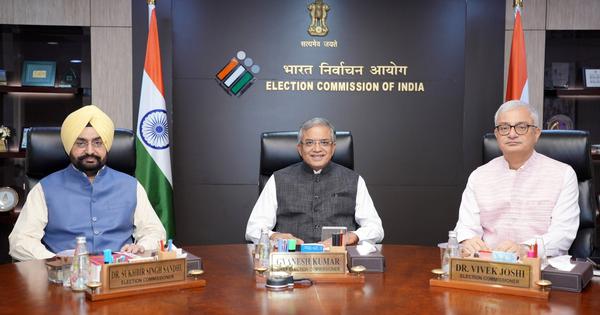
India’s Election Commission has three top members who help manage voter lists and elections.
Two members, Sukhbir Singh Sandhu and Vivek Joshi, said important decisions were made without telling them.
They recorded at least 14 objections over 10 months.
Their concerns included adding and removing voters and changing the form used by new voters.
They said the form was changed without following the required legal process.
They also worried that computer systems could give too much control to officials in one place.
In Goa, the software did not allow officials to add back 97 voters whom they found eligible.
Critics said this could hurt trust in elections, while the Commission said disagreements can happen during institutional work.

Sukhbir Singh Sandhu and Vivek Joshi formally objected at least 14 times in 10 months to Election Commission decisions they said were issued without their knowledge.
Their objections concerned voter additions, deletions and restorations, appeals, Form 6 changes, and access to electoral-roll databases during the Special Intensive Revision.
The Commissioners called the Form 6 changes “unauthorised and illegal,” saying the relevant rules had not been amended.
They warned that centralised software could restrict statutory election officials; in Goa, 97 voters found eligible were left off the final roll.
Opposition leaders and legal experts accused the poll panel of undermining safeguards, while the Election Commission said official decisions remained legally valid and disagreements were normal.
- Who
- Election Commissioners Sukhbir Singh Sandhu and Vivek Joshi raised objections involving Chief Election Commissioner Gyanesh Kumar and the Election Commission of India.
- What
- The two Commissioners challenged at least 14 decisions and procedures concerning voter rolls, Form 6, appeals, and electoral-roll software.
- When
- The objections were recorded over 10 months, from November to August; the SIR began in Bihar in June 2025, and the three Commissioners met on September 9 after a four-month gap.
- Where
- The issues involved national Election Commission operations and cases in Bihar, West Bengal, Goa, and other states and Union Territories.
- Why
- The Commissioners said decisions were taken without their knowledge, questioned the legal basis of some actions, and warned that centralised systems could restrict statutory officials and exclude eligible voters.
Dissenting Commissioners, Critics, and Legal Experts
Election Commission’s Reported Position
Internal decision-making
Dissenting Commissioners, Critics, and Legal Experts
Sandhu and Joshi said communications and decisions were issued without the approval or knowledge of the full Commission, and described some actions as “unauthorised and illegal.” Critics and lawyers said failure to follow the majority process could make decisions vulnerable to judicial review.
Election Commission’s Reported Position
The Election Commission said in an unsigned press note that its official orders, decisions, and administrative directions carried full legal sanctions, and that differences among Commissioners were a normal part of institutional deliberation.
Centralisation of voter data
Dissenting Commissioners, Critics, and Legal Experts
The Commissioners warned that electoral-roll databases were becoming gradually centralised and that statutory local officials needed complete access and control over voter data. They linked the concern to software failures that left 97 eligible Goa voters off the final roll.
Election Commission’s Reported Position
The Election Commission has traditionally described voter-roll preparation as decentralised through constituency-level Electoral Registration Officers. Its reported press note defended the legal validity of official decisions, but the articles did not provide a detailed response to the database concerns.
Special Intensive Revision
Dissenting Commissioners, Critics, and Legal Experts
Opposition leaders, an editorial, and some legal experts argued that the SIR and related Form 6 changes could disenfranchise genuine voters and weaken electoral safeguards. Some commentators called for judicial scrutiny or reversal of the process.
Election Commission’s Reported Position
The Commission’s stated role is to periodically clean and update electoral rolls, and one editorial noted that linking the deletions directly to election outcomes was a political rather than empirical argument. The Commission continued the revision and supplied figures on deletions and appeals.
- Commissioners objecting
- Sukhbir Singh Sandhu and Vivek Joshi
- Number of objections
- At least 14 formal objections over 10 months, including four on one day
- SIR impact
- More than 13 crore names were removed from draft rolls across the reported phases; coverage was described as involving either 30 states and Union Territories or, at a later stage, 19
- Form 6 dispute
- New applicants were asked whether they or their parents or grandparents appeared in the electoral roll from the last Special Intensive Revision
- West Bengal appeals
- The Election Commission reported about 38 lakh appeals before tribunals, including roughly 22.21 lakh from deleted voters seeking restoration and 16.1 lakh challenging voter inclusion
- Goa software issue
- Ninety-seven voters found eligible by Electoral Registration Officers were left off the final roll
- Legal framework
- Article 324 and Section 18 of the 2023 Act provide that Election Commission business should, as far as possible, be unanimous, with disagreements decided by majority
Sources
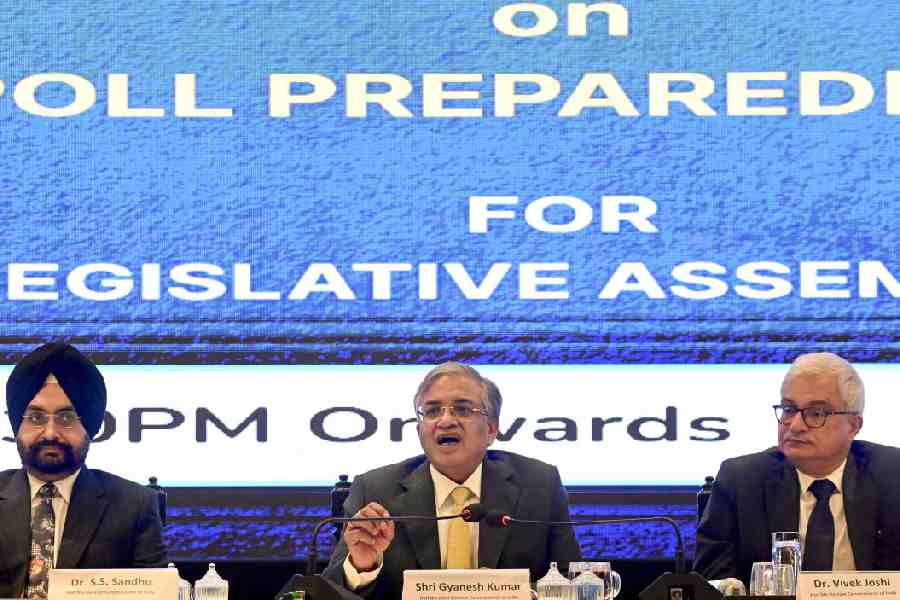
‘Scripting elections’: Outrage erupts as report reveals deep dissent in EC amid SIR deletions of millions of voters

ECs Disagreed With CEC On SIR
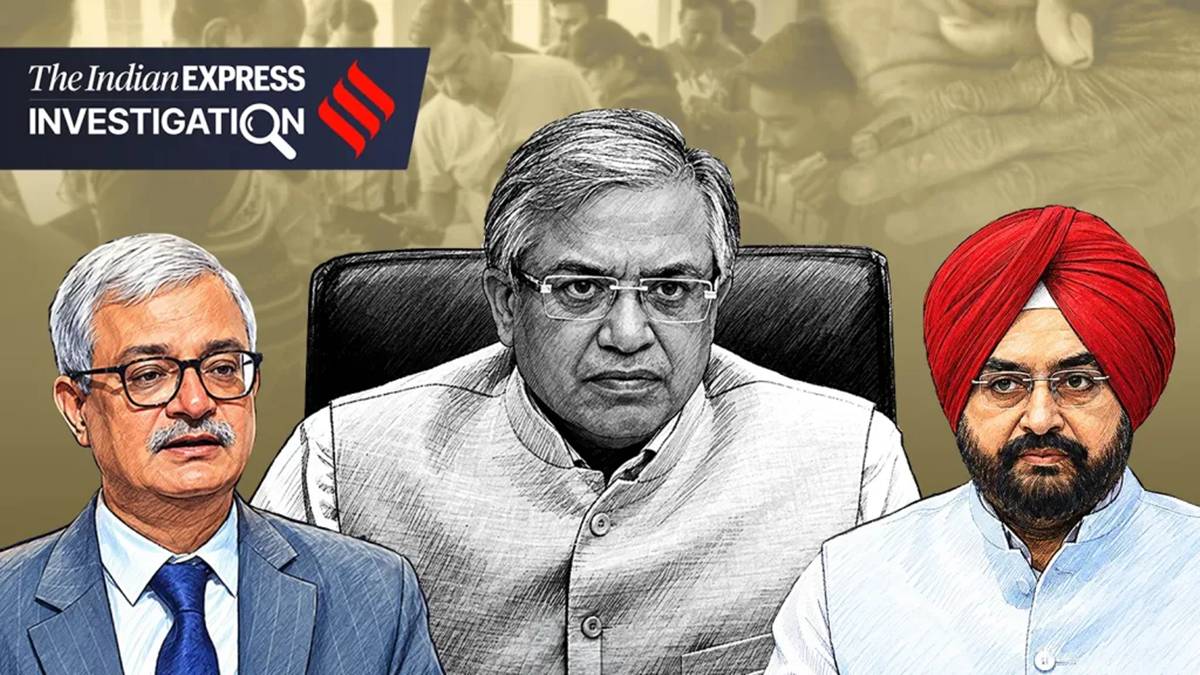
14 times in 10 months, two Election Commissioners objected on record to poll panel steps
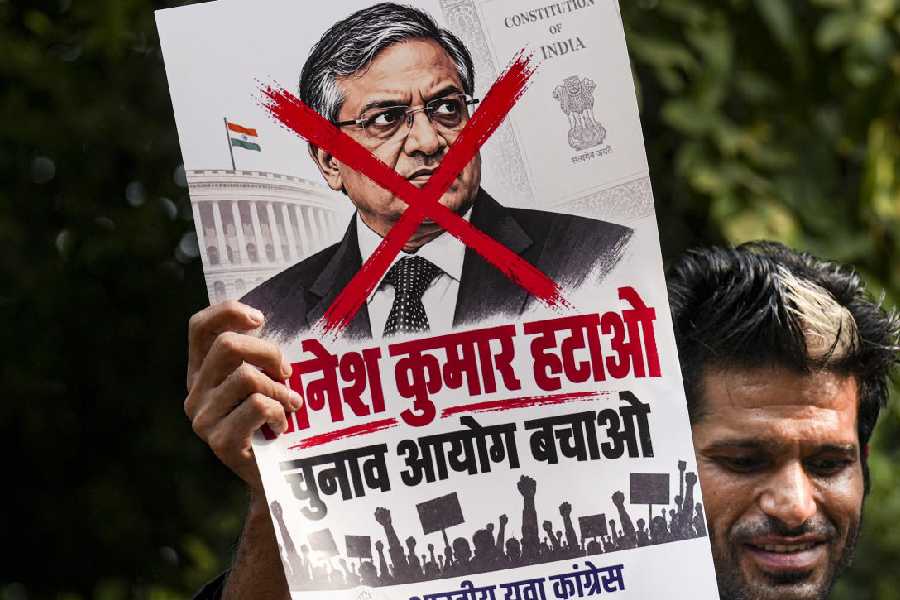
Election Commission shocker shows ‘total rot’, potentially ‘treason’, senior lawyers say
SIR row: 2 Election Commissioners raised 14 objections in 10 months
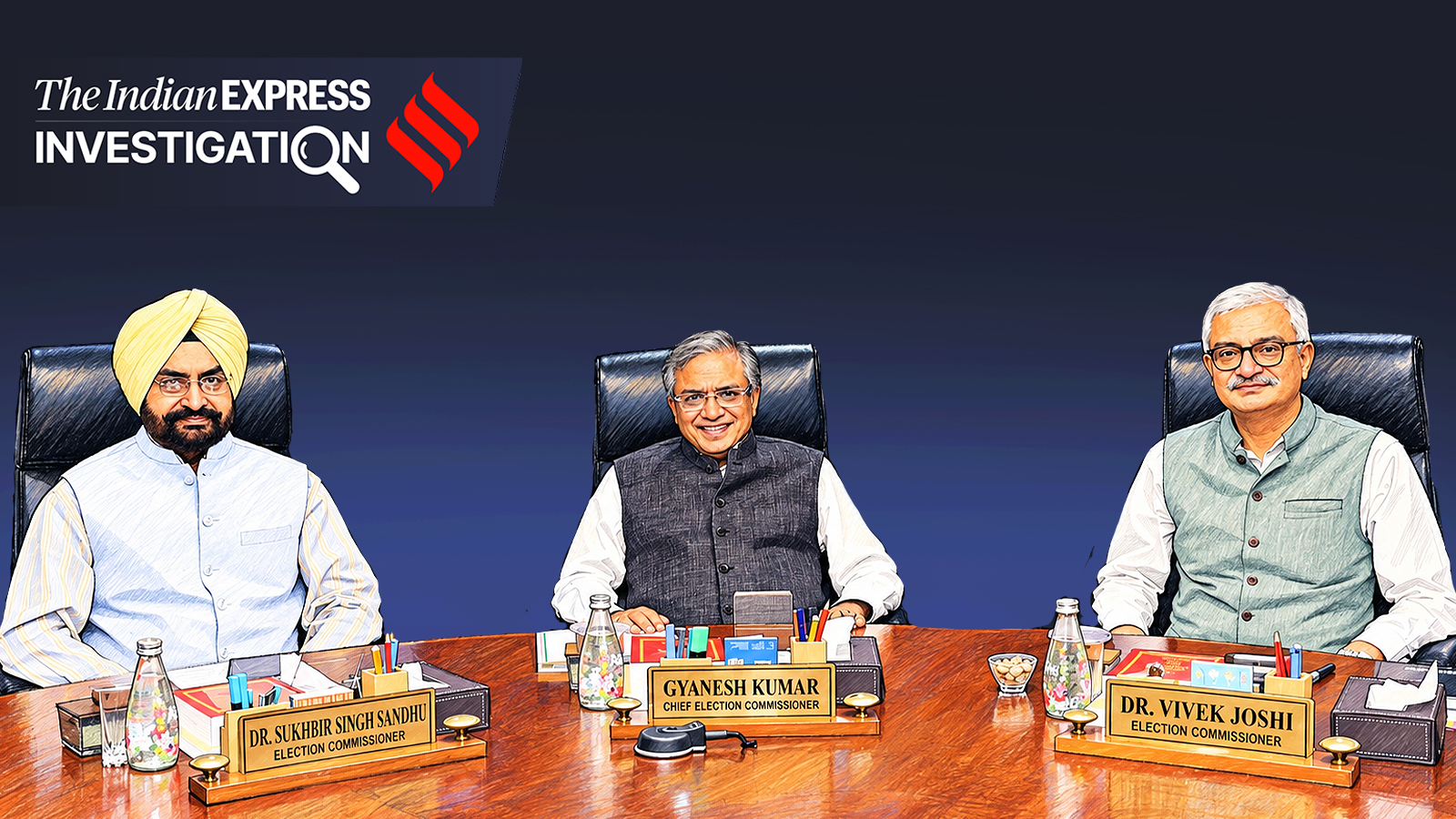
14 times in 10 months, two Election Commissioners objected on record to poll panel steps