

Archive · 3 Oct 2026
The Silent Generation, Grandparents and Lessons from History
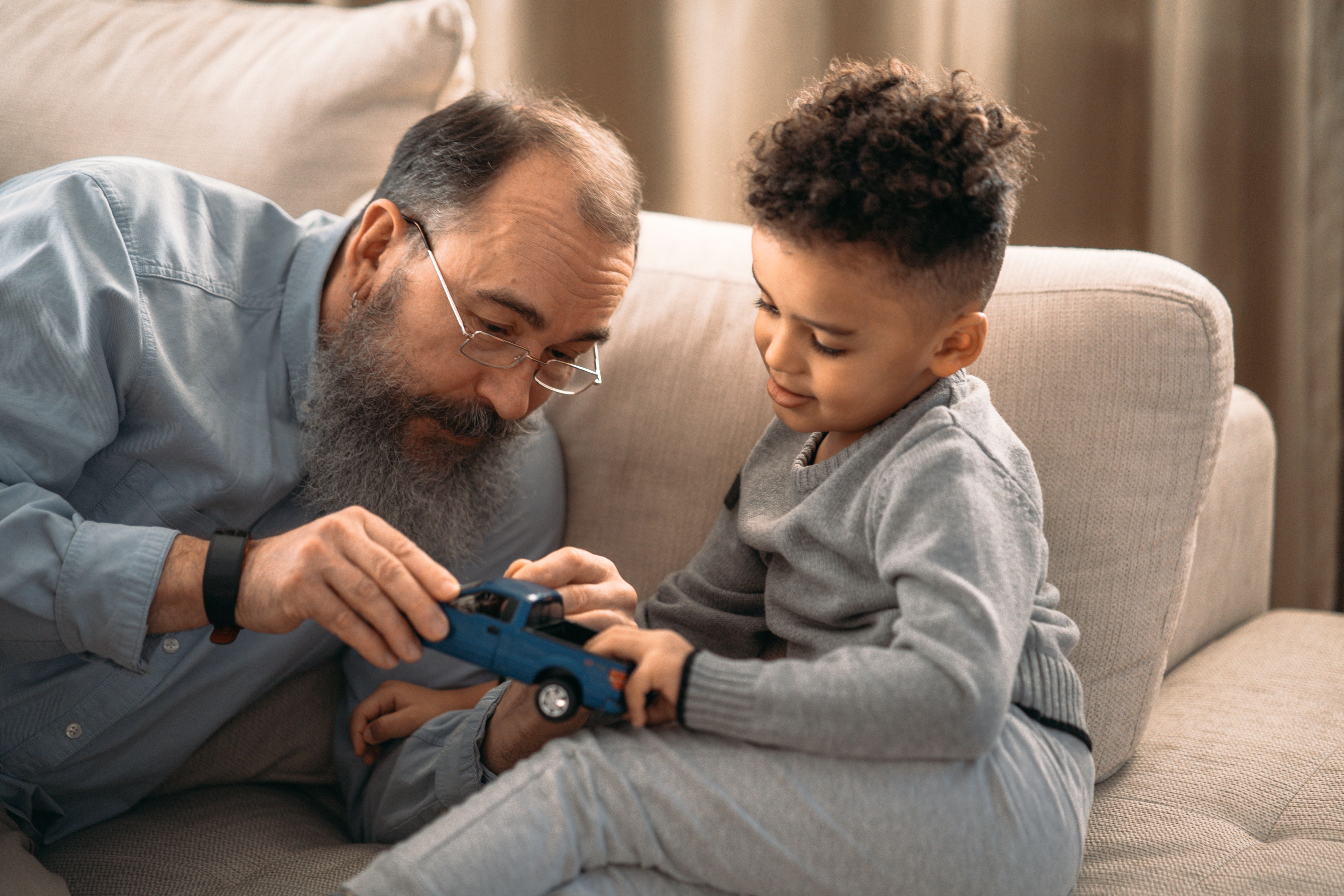
Raghavan is sad because his father died, and he wishes his children had known him better.
He remembers learning about life from his own grandparents.
They told him how India used to be different, with fewer products and less convenience.
They also shared stories about British rule and earlier world events.
Raghavan thinks these stories help young people understand that the world changes over time.
He compares a dramatic speech by Nikita Khrushchev at the United Nations with Donald Trump’s behavior there.
He says knowing history can help people feel less surprised or worried when events repeat.
Prita jokes that an AI app could help grandparents share these stories.

Raghavan says his father’s recent death has made him regret that his children never became close to their grandfather.
He argues that grandparents can give younger generations a longer view of social and political change.
Raghavan recalls changes in India, from rationing and scarce consumer goods to the wider availability of products and services.
He compares Donald Trump’s conduct at the United Nations with Nikita Khrushchev’s dramatic 1960 speech there.
The conversation concludes with Prita joking that an AI-powered “grandparent app” could share such historical perspective.
- Who
- Raghavan, Murthy and Prita discuss Raghavan’s late father, grandparents and historical perspective.
- What
- A conversation about how grandparents pass history to younger generations and help them understand current events.
- When
- The conversation takes place after Raghavan’s father died the previous month; it also recalls events from the 1960s, 1980s and 1990s.
- Where
- At the narrator’s home; the discussion also refers to the United Nations and India.
- Why
- Raghavan regrets that his children did not get close to their grandfather and believes family history can help young people understand change and panic less.
Historical perspective
Present-day perspective
Value of grandparents’ stories
Historical perspective
Raghavan argues that grandparents’ memories give young people a longer view of change and can help them panic less.
Present-day perspective
Murthy questions what practical difference fewer options and historical memories make.
Political theatrics at the UN
Historical perspective
Raghavan says Khrushchev’s 1960 theatrics show that dramatic, confrontational conduct at the UN has happened before.
Present-day perspective
Raghavan also notes that many people view Trump’s conduct as crude, and says Khrushchev was less crude and acknowledged possible offense the next day.
- Raghavan’s loss
- His father died the previous month, nearly 90 years old.
- Generational connection
- Raghavan says he spent substantial time with his grandparents, unlike his children.
- Historical context
- He recalls shortages and restrictions in India, including rationed cement, steel and newsprint.
- Television reference
- Raghavan recalls Doordarshan as the country’s only TV channel and the Wednesday program Chitrahaar.
- UN episode
- The story recounts Nikita Khrushchev’s fiery 1960 UN General Assembly speech and the reported shoe-thumping incident.
- Contemporary comparison
- Raghavan compares reactions to Khrushchev’s theatrics with perceptions of Donald Trump.
- Closing suggestion
- Prita jokingly proposes an AI-powered grandparent app.