Archive · 10 Nov 2025
Eco-Friendly Fashion Movement Gains Momentum
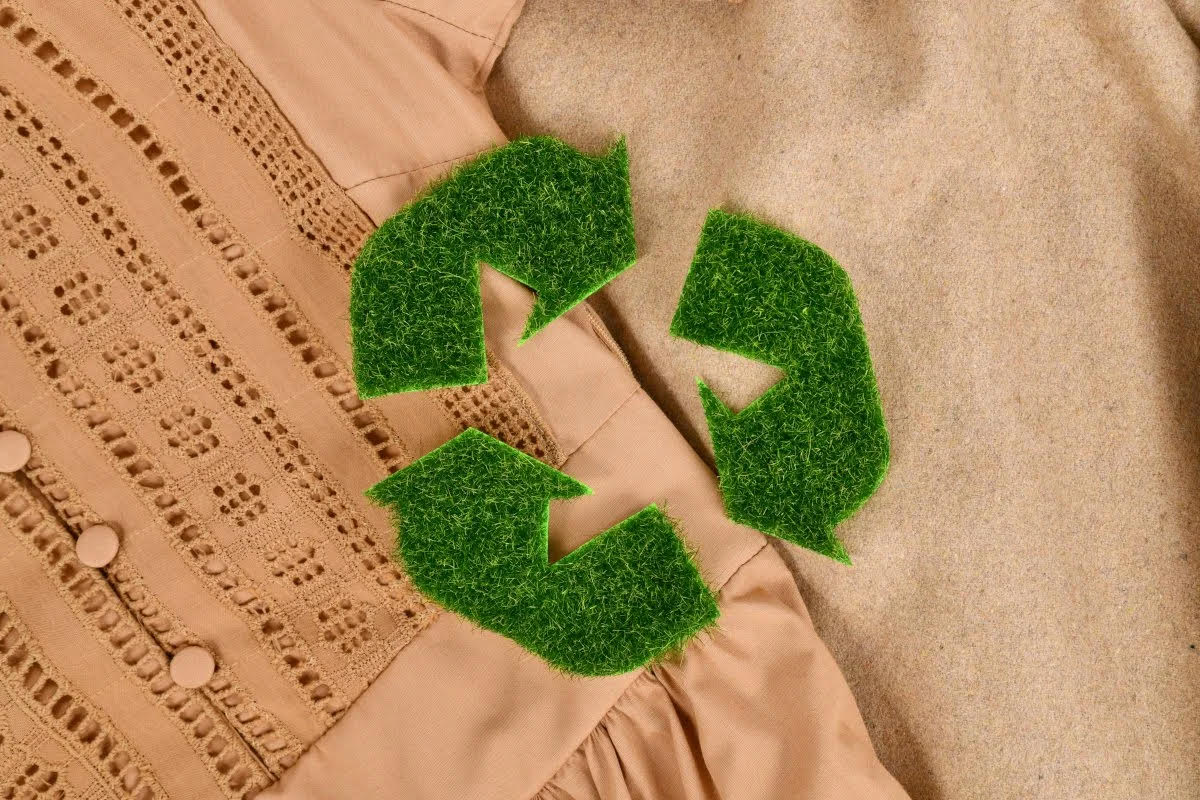
Imagine clothes having a bigger impact than just how they look.
The fashion world has been polluting our planet a lot, making too much waste and using too much water.
But now, people are starting to choose clothes that are kinder to the Earth.
This means using special materials like bamboo or hemp, which are better for the environment.
Some designers are even making new clothes out of old ones!
In India, many brands are using old weaving styles and natural colors to create beautiful outfits.
Younger people and even celebrities are talking about thrifting and wearing outfits more than once.
It's all about making fashion that respects nature and the people who make our clothes, showing that being responsible is always in style.

The fashion industry, historically a major polluter, is experiencing a significant shift towards sustainability.
Conscious consumers are driving demand by questioning the origins and environmental impact of their clothing.
Designers and brands are embracing eco-friendly materials like bamboo, hemp, and organic cotton, alongside practices like upcycling.
In India, homegrown labels are reviving traditional handloom fabrics and natural dyes, supporting artisans.
Challenges include the high cost of sustainable production and the issue of greenwashing, requiring transparency and consumer awareness.
- Who
- Conscious consumers, designers, homegrown labels, eco-conscious startups, Gen Z, millennials, celebrities, influencers
- What
- A growing movement towards eco-friendly and sustainable fashion, emphasizing ethical production, conscious consumption, and reduced environmental impact.
- When
- Currently and increasingly, with a growing awareness and shift in practices.
- Where
- Globally, with a specific mention of trends in India.
- Why
- To mitigate the environmental damage caused by the traditional fashion industry, respond to consumer demand for ethical products, and align fashion choices with personal values.
Challenges to Sustainable Fashion
Drivers of Sustainable Fashion
Affordability and Production Costs
Challenges to Sustainable Fashion
Producing sustainable materials is expensive, making it difficult for smaller brands to offer affordable products.
Drivers of Sustainable Fashion
Conscious consumers are increasingly prioritizing values over low prices, driving demand for sustainable options despite costs.
Authenticity and Transparency
Challenges to Sustainable Fashion
The issue of 'greenwashing' exists, where brands falsely claim to be eco-friendly, deceiving consumers.
Drivers of Sustainable Fashion
Increased consumer awareness and social media amplification are pushing for transparency and genuine sustainable practices.
- Key Sustainable Materials
- Bamboo, hemp, Tencel, organic cotton, natural dyes
- Sustainable Practices
- Upcycling, reviving handloom fabrics, ethical production, conscious consumption
- Key Demographics Driving Change
- Gen Z, Millennials, conscious consumers
- Geographic Focus Mentioned
- India
- Identified Industry Problem
- Pollution, excessive water use, carbon emissions, textile waste, fast fashion impacts