Archive · 12 Oct 2026
Iran Says US Reply Insufficient, Halts Responses on Hormuz
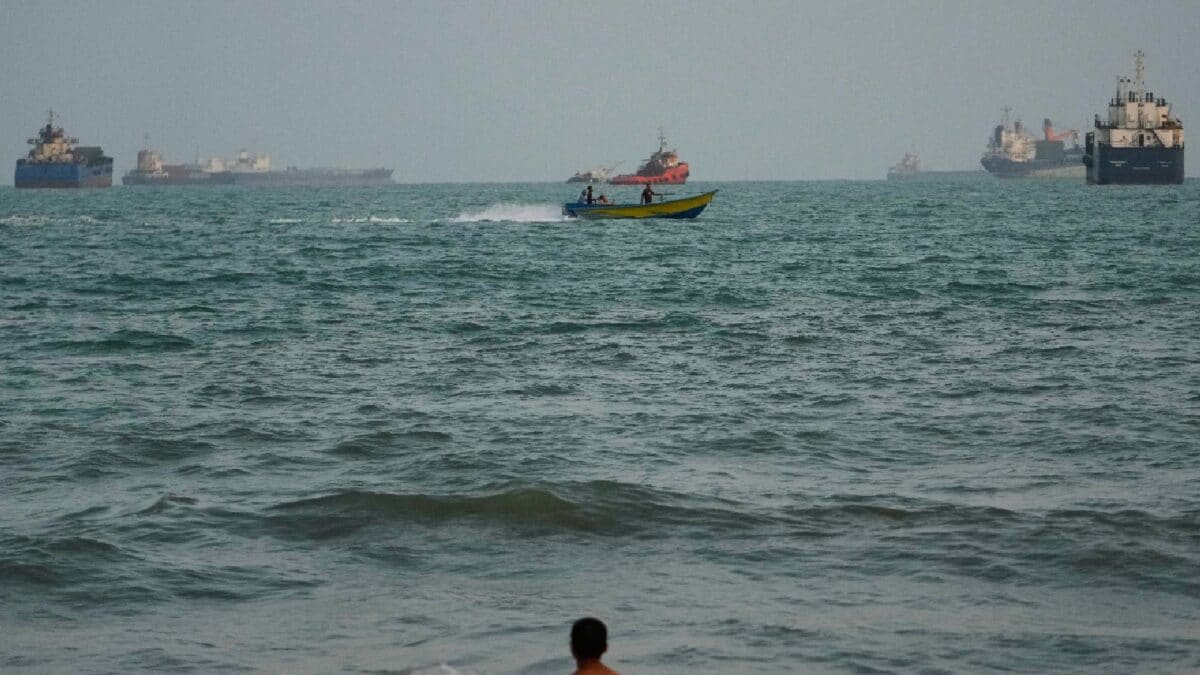
Iran gave the United States seven conditions linked to reopening the Strait of Hormuz.
Iran says the waterway could return to normal passage within seven days if the conditions were met.
The United States sent a response through Qatar and other intermediaries.
Mohsen Rezaei, an Iranian security official, said the response was not good enough because some points were still unclear.
He also said Iran was no longer responding to the United States.
Iran says it will not reopen the strait to the United States or negotiate until its conditions are met.
Another Iranian official said the current effort is focused on security in the strait, not nuclear talks.
The White House had not immediately commented.

Iranian security chief Mohsen Rezaei called the US response to Iran’s seven conditions “insufficient.”
Rezaei said the United States accepted some conditions but left others unclear, and Iran was no longer responding.
Iran says it will not reopen the Strait of Hormuz to the United States or negotiate until its conditions are met.
The US response was conveyed through Qatari intermediaries; the White House had not immediately commented.
Iranian officials say the current initiative prioritizes security in the strait, while Tehran denies that nuclear negotiations are underway.
- Who
- Iranian security chief Mohsen Rezaei and officials from Iran and the United States.
- What
- Iran called the US response to its seven conditions for reopening the Strait of Hormuz insufficient and said it was no longer responding.
- When
- Rezaei’s remarks were reported on Sunday, October 11, 2026; the report was published October 12.
- Where
- The proposal concerns the Strait of Hormuz; messages were conveyed between Washington and Tehran through intermediaries.
- Why
- Iran said the United States accepted some conditions but left others unclear, and said the strait would not reopen to the United States and negotiations would not occur until its conditions were met.
Iran’s position
US position and response
Conditions for reopening the strait
Iran’s position
Iran says the Strait of Hormuz will not be opened to the United States and negotiations will not take place until its seven conditions are met.
US position and response
The United States sent a response through Qatari intermediaries; Rezaei said some conditions were accepted, but others remained unclear. The White House had not immediately commented.
Nuclear issue in the diplomatic initiative
Iran’s position
Iranian officials say the current initiative is focused on restoring security in the strait, deny that nuclear negotiations have begun, and reject reports that Iran offered inspections for sanctions relief.
US position and response
The article says Washington has pushed for restrictions on Iran’s nuclear programme; it does not give a detailed US response to Iran’s denial.
- Iranian official
- Mohsen Rezaei, identified as Iran’s security chief and secretary of the Supreme National Security Council.
- Conditions
- Iran presented seven conditions to the United States.
- Proposed timeline
- Iran said normal maritime passage could be restored within seven days if its conditions were met.
- Iran’s assessment
- Rezaei said the US accepted some conditions while leaving others unclear.
- Iran’s stated position
- Iran said it would not open the strait to the United States or negotiate until its conditions were met.
- Mediators
- Qatar and other mediators transmitted messages between Washington and Tehran.
- Nuclear talks
- Iranian officials said nuclear negotiations had not begun and that restoring security in the strait was the immediate priority.
- US response
- The White House had not immediately responded to a Reuters request for comment.