

1 week ago
London ULEZ Study Finds Children’s Lungs Can Recover
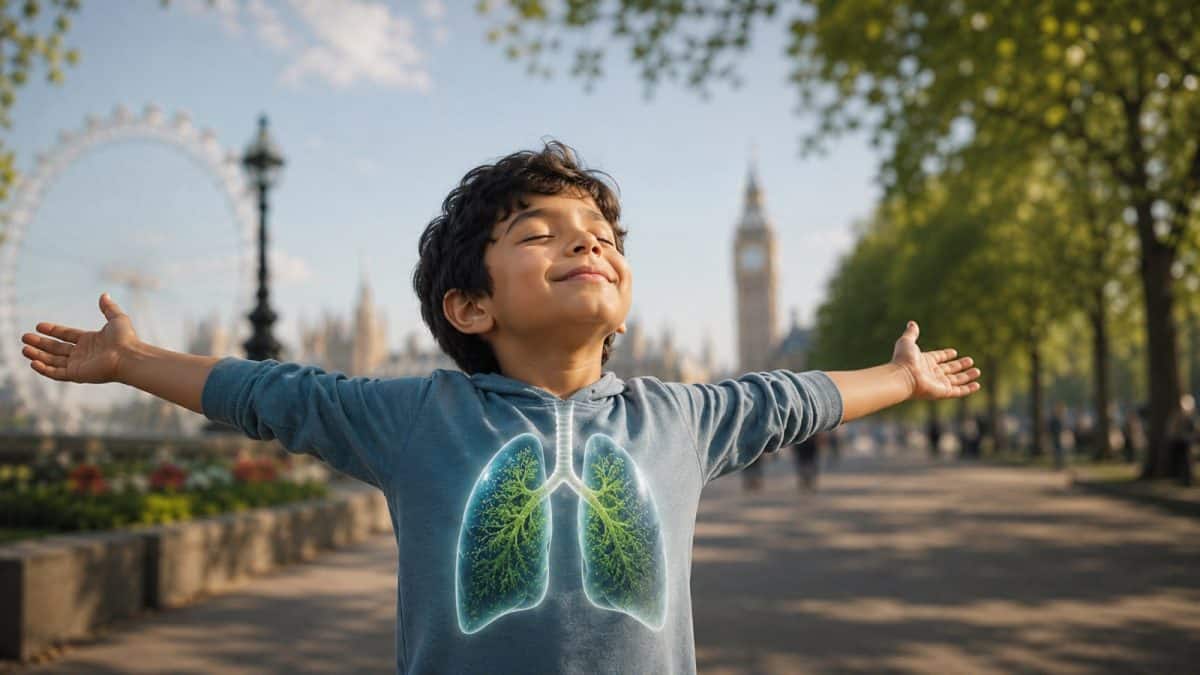
Scientists studied more than 3,400 children in London to see how dirty air affected their lungs.
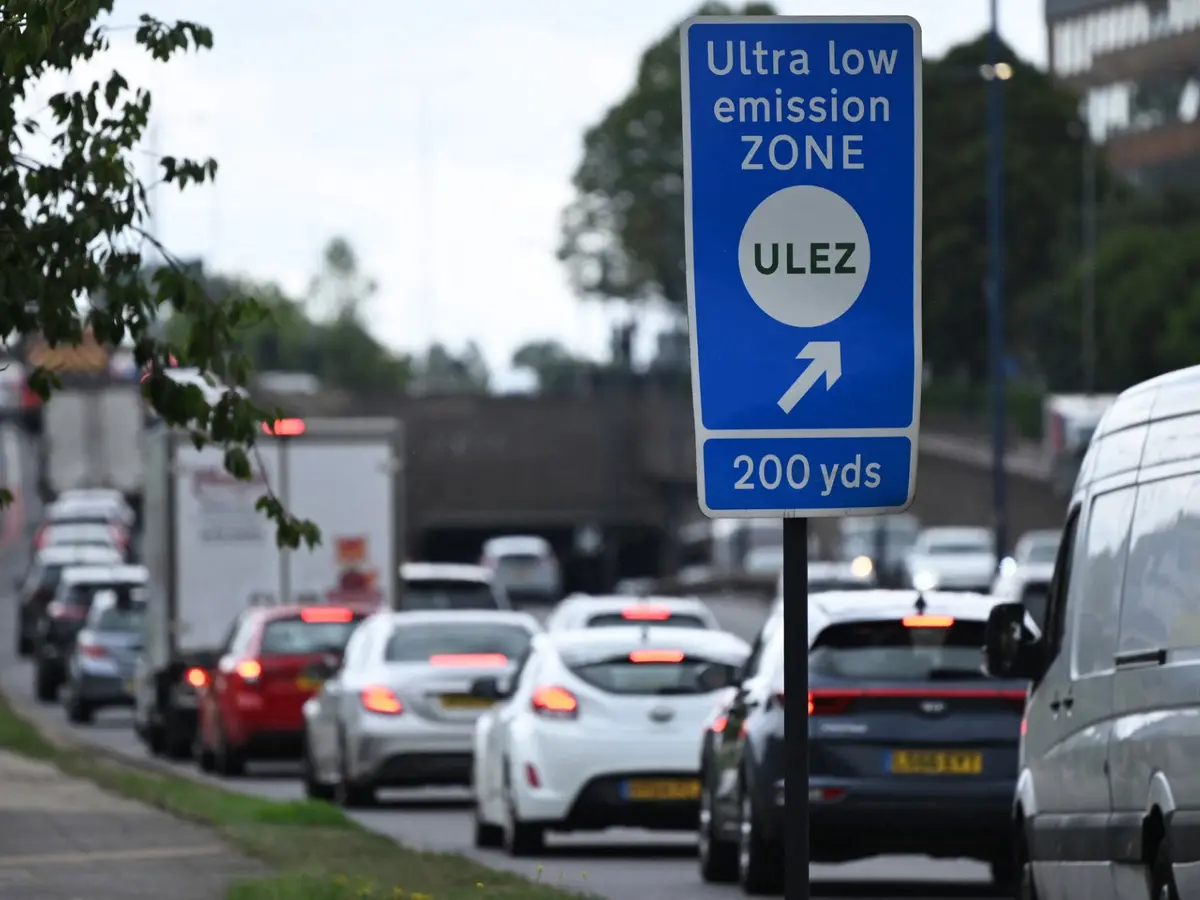
London introduced a rule called the Ultra Low Emission Zone in 2019.
The rule charges vehicles that do not meet pollution standards.
After the rule began, the air became cleaner, especially because there was less nitrogen dioxide.
The children’s lung growth improved.
Some lung function that had been slowed by pollution began to recover.
By the end of the study, the children had caught up with children in cleaner places.
This suggests that cleaner air can help children’s bodies heal.
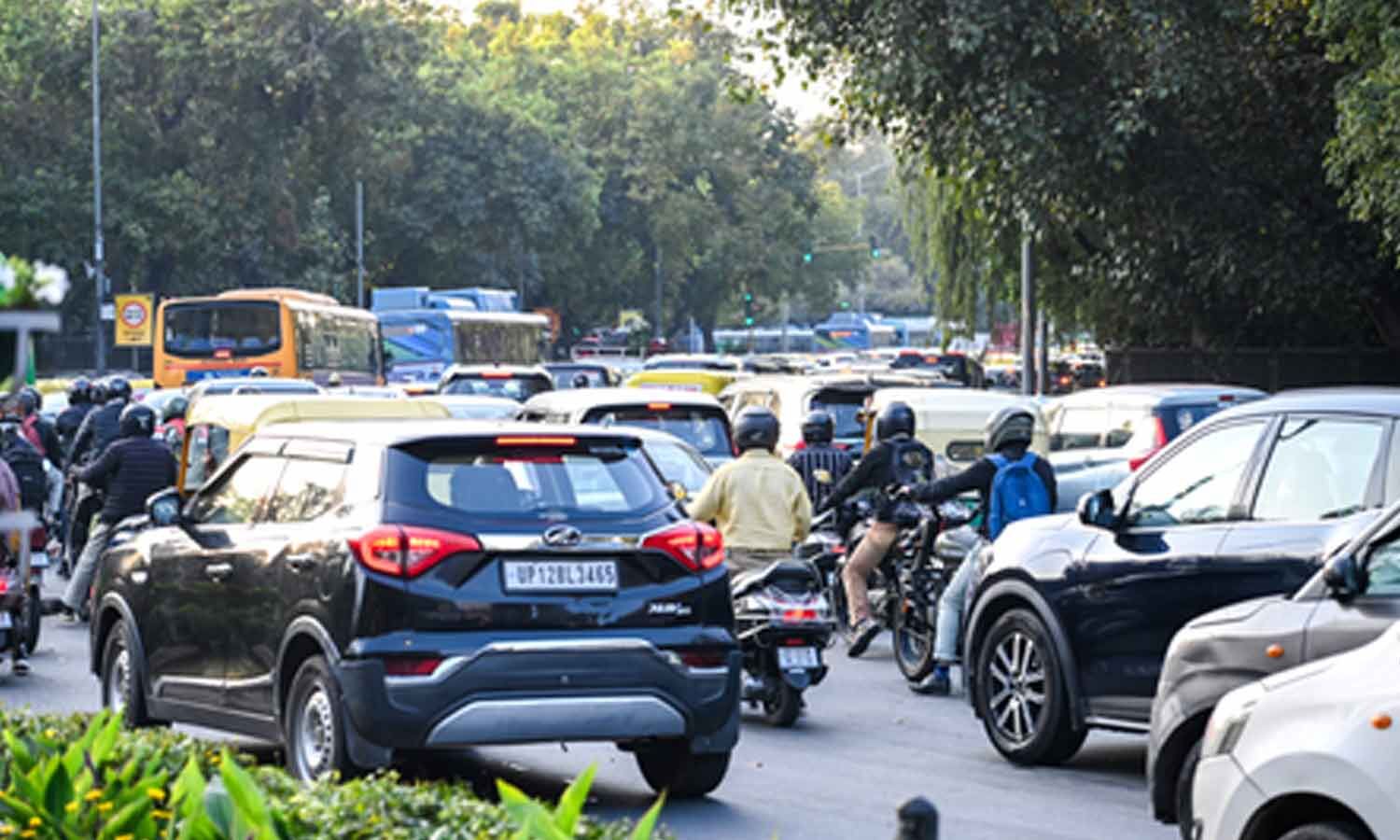
Delhi could learn from London, but it has pollution from traffic, dust, industry and crop burning.

A Queen Mary University of London study tracked more than 3,400 children from 2018 to 2022.
After London introduced the Ultra Low Emission Zone in 2019, children’s lung growth improved measurably.
Researchers linked the improvement to better air quality, particularly reduced nitrogen dioxide exposure.
By the study’s end, the children had caught up with peers in cleaner areas.
The findings could inform Delhi, although its pollution comes from several sources requiring broader action.
- Who
- Researchers from Queen Mary University of London and more than 3,400 children studied in London.
- What
- A study found that children’s lung growth and previously reduced lung function improved after air pollution fell under the Ultra Low Emission Zone.
- Where
- London, with implications discussed for Delhi and other Indian cities.
- When
- The children were tracked from 2018 to 2022; the Ultra Low Emission Zone began in 2019.
- Why
- The study examined whether improving air quality could reduce or reverse pollution-related effects on children’s lungs.
Case for Applying London’s Approach
Challenges to Direct Replication
Effectiveness of clean-air policy
Case for Applying London’s Approach
The London study indicates that reducing traffic pollution can produce measurable improvements in children’s lung growth and may enable recovery after earlier exposure.
Challenges to Direct Replication
The article cautions that success depends on consistent enforcement and wider urban planning, so introducing a policy alone may not produce the same results.
Relevance to Delhi
Case for Applying London’s Approach
Delhi could consider low-emission zones, traffic restrictions, cleaner fuels and expanded public transport to improve children’s health.
Challenges to Direct Replication
Delhi’s pollution is driven by multiple sources, including vehicles, construction dust, industry and crop burning in neighbouring states, making the problem more complex than London’s case.
Key facts
- Study participants
- More than 3,400 children
- Study period
- 2018–2022
- Policy
- London’s Ultra Low Emission Zone, introduced in 2019
- Key pollutant
- Nitrogen dioxide, a traffic-related pollutant
- Main finding
- Children’s lung growth improved and previously stunted lung function began to recover
- Delhi annual AQI in 2025
- Around 201, described as firmly in the “poor” category
- Delhi PM2.5 in 2025
- About 98 µg/m³, according to the article
Quotes
Study experts
Researchers involved in the London ULEZ study
“This provides some of the strongest evidence yet that reducing pollution can reverse damage to children’s lungs.”
 firstpost.com
Sources
Related news
London Study Shows Traffic Cuts Improve Children’s Lung Health
London Study Finds Cleaner Air May Improve Children’s Lung Growth
Auto LPG industry urges national retrofit policy for used cars

Delhi’s Fourth Master Plan Seeks Growth Without Repeating Past Mistakes

Delhi’s Air Pollution Linked to Brain Changes Beyond Lungs
Delhi Government Partners With Private Sector for Urban Makeover

Foreign Law Degree Doesn't Ensure Indian LLB Eligibility: Bombay HC

Farage vs Count Binface in Clacton by-election shunned by parties

Study: Sensitive People More Prone to Depression, Anxiety
