

Archive · 11 Jun 2025
The Power of Play: Key for Children's Growth
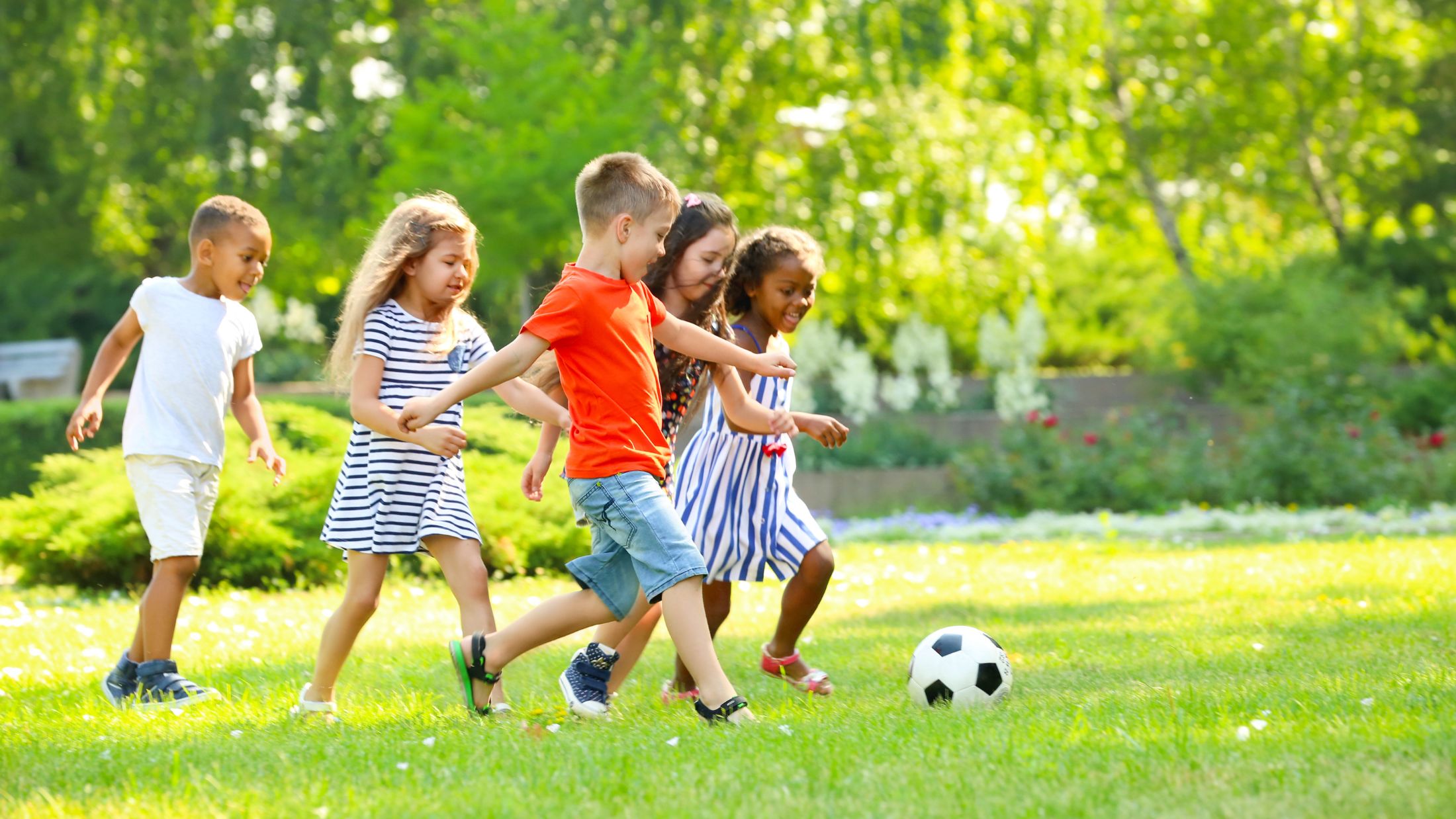
Play is like a super-powered activity for kids!
It helps them grow strong by running and jumping.
It also helps them learn how to deal with their feelings.
Play helps their brains by challenging them to solve puzzles and create stories.
Play helps kids learn how to play with others.
In the end, playing helps them become confident and excited to learn new things as they grow up.

Play strengthens muscles, improves motor skills, and develops spatial awareness.
Play provides a safe space for exploring emotions and building self-regulation.
Play supports cognitive functions such as memory and problem-solving.
Play teaches children how to communicate, cooperate, and resolve conflicts.
Play promotes adaptability and interpersonal skills that benefit children throughout life.
- Who
- Children
- What
- Play
- When
- Throughout childhood
- Where
- Various environments
- Why
- To facilitate physical, emotional, cognitive, and social development.
Childhood Development
Lifelong Learning
Focus
Childhood Development
Play is crucial for physical, emotional, cognitive, and social development in early childhood.
Lifelong Learning
Play fosters creativity, adaptability, and interpersonal skills that are useful in adulthood.
- Key Benefit
- Critical for physical, emotional, cognitive, and social growth
- Impact on Physical Health
- Strengthens muscles, improves motor coordination, and promotes a healthy lifestyle.
- Impact on Emotional Health
- Builds self-regulation and fosters emotional resilience.
- Impact on Academic Skills
- Lays groundwork for memory, language, and problem-solving.
- Impact on Social Skills
- Teaches communication, collaboration, and conflict resolution.
Sources
International Day of Play: Why Free Play Is Essential for Growing Smarter, Emotionally Resilient Children
International Day Of Play 2025: Quotes, Why And How To Celebrate The Day?
UN International Day of Play 2025: What is the day all about? Know the theme, history, and significance
