

Archive · 25 Jul 2026
Experts Debate Breakfast Importance and Health Impacts
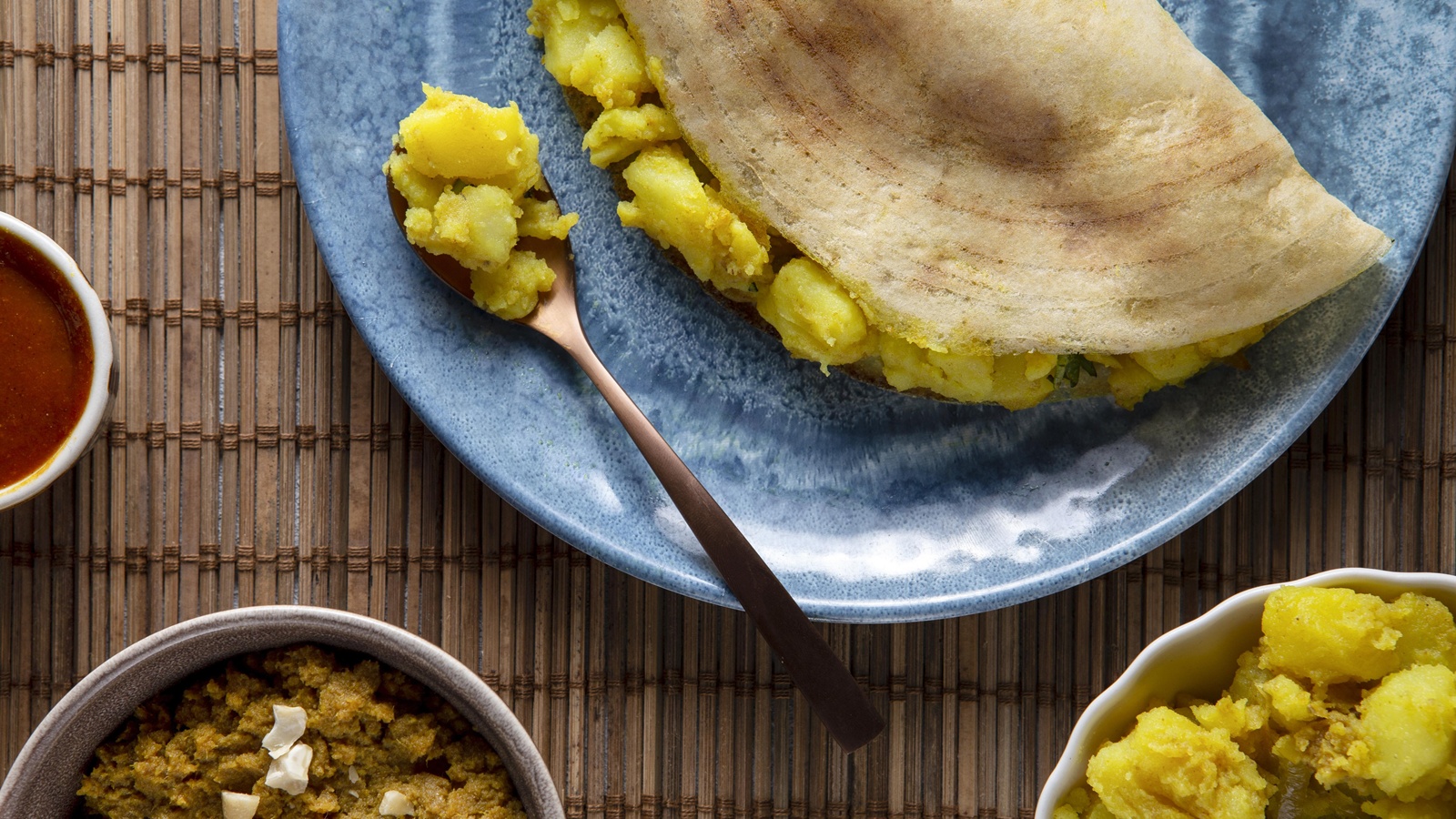
Some people say breakfast is the most important meal of the day, but not all experts agree.
Dr. Deepa Suhag says it's not true, and you don't need to eat breakfast right away.
Edwina Raj explains that what you eat overall, how active you are, and your lifestyle are more important than just eating breakfast.
Skipping breakfast can make some people feel tired, hungry, or cranky, but it's not bad for everyone.
For kids, pregnant women, older adults, and people with certain health conditions, breakfast can be helpful.
If you skip breakfast, you might eat too much later, which can make it hard to lose weight.
A good breakfast should have protein, fiber, healthy fats, and good carbs.
You should avoid sugary cereals, pastries, and fried foods.
The best breakfast is one that is healthy, fits your needs, and works with your schedule.

Breakfast is not the most important meal for everyone; overall eating pattern and lifestyle are more important.
Skipping breakfast can lead to low energy, poor concentration, irritability, headaches, fatigue, and overeating later in the day.
A balanced breakfast should include protein, fiber, healthy fats, and complex carbohydrates.
People with diabetes may experience significant fluctuations in blood glucose if meals are skipped without proper medical advice.
Sugary cereals, pastries, deep-fried foods, and sweetened beverages should be avoided for a healthy breakfast.
- Who
- Health experts Dr. Deepa Suhag and Edwina Raj.
- What
- The debate on whether breakfast is the most important meal of the day and its health impacts.
- When
- Recently, as part of ongoing health discussions.
- Where
- Globally, with specific mentions of experts from India.
- Why
- To clarify misconceptions about the importance of breakfast and provide guidance on healthy eating habits.
Breakfast is Essential
Breakfast is Not Mandatory
Health Impact
Breakfast is Essential
Breakfast provides steady energy, improves concentration, supports muscle function, and prevents excessive hunger later in the day, especially for children, teenagers, pregnant women, older adults, and those with physically demanding lifestyles or medical conditions like diabetes.
Breakfast is Not Mandatory
Skipping breakfast does not automatically damage the body and can be beneficial for some individuals, such as healthy adults who may do well with a slightly delayed breakfast or time-restricted eating.
Weight Management
Breakfast is Essential
Skipping breakfast can lead to overeating later in the day, which may cancel out any calorie deficit for those trying to lose weight.
Breakfast is Not Mandatory
Skipping breakfast alone does not guarantee weight loss, but it can be part of a balanced approach to weight management when combined with other healthy habits.
Nutritional Needs
Breakfast is Essential
A balanced breakfast that includes protein, fibre, healthy fats, and complex carbohydrates is essential for meeting daily nutritional requirements and maintaining stable blood sugar levels.
Breakfast is Not Mandatory
The overall eating pattern, food quality, physical activity, sleep, age, health conditions, and lifestyle have a much greater impact on health than whether one eats breakfast at a particular time.
- Expert
- Dr. Deepa Suhag, Biomimetic Scientist
- Expert
- Edwina Raj, Head of Services – Clinical Nutrition & Dietetics, Aster CMI Hospital, Bangalore
- Key Points
- Breakfast is not the most important meal for everyone; overall eating pattern and lifestyle are more important.
- Health Impact
- Skipping breakfast can lead to low energy, poor concentration, irritability, headaches, fatigue, and overeating later in the day.
- Breakfast Options
- Vegetable upma with curd, idli with sambar, dosa with chutney and sambar, vegetable poha with peanuts, oats cooked with milk and nuts, whole-grain toast with peanut butter or paneer, besan chilla with curd, moong dal chilla, vegetable paratha with curd, Greek yogurt with fruits and seeds, eggs with whole-grain toast, fresh fruit, nuts, and adequate water.
- Avoid
- Sugary cereals, pastries, deep-fried foods, and sweetened beverages.