

Archive · 27 Oct 2025
High Altitude Vision Loss: Causes, Symptoms, and Prevention
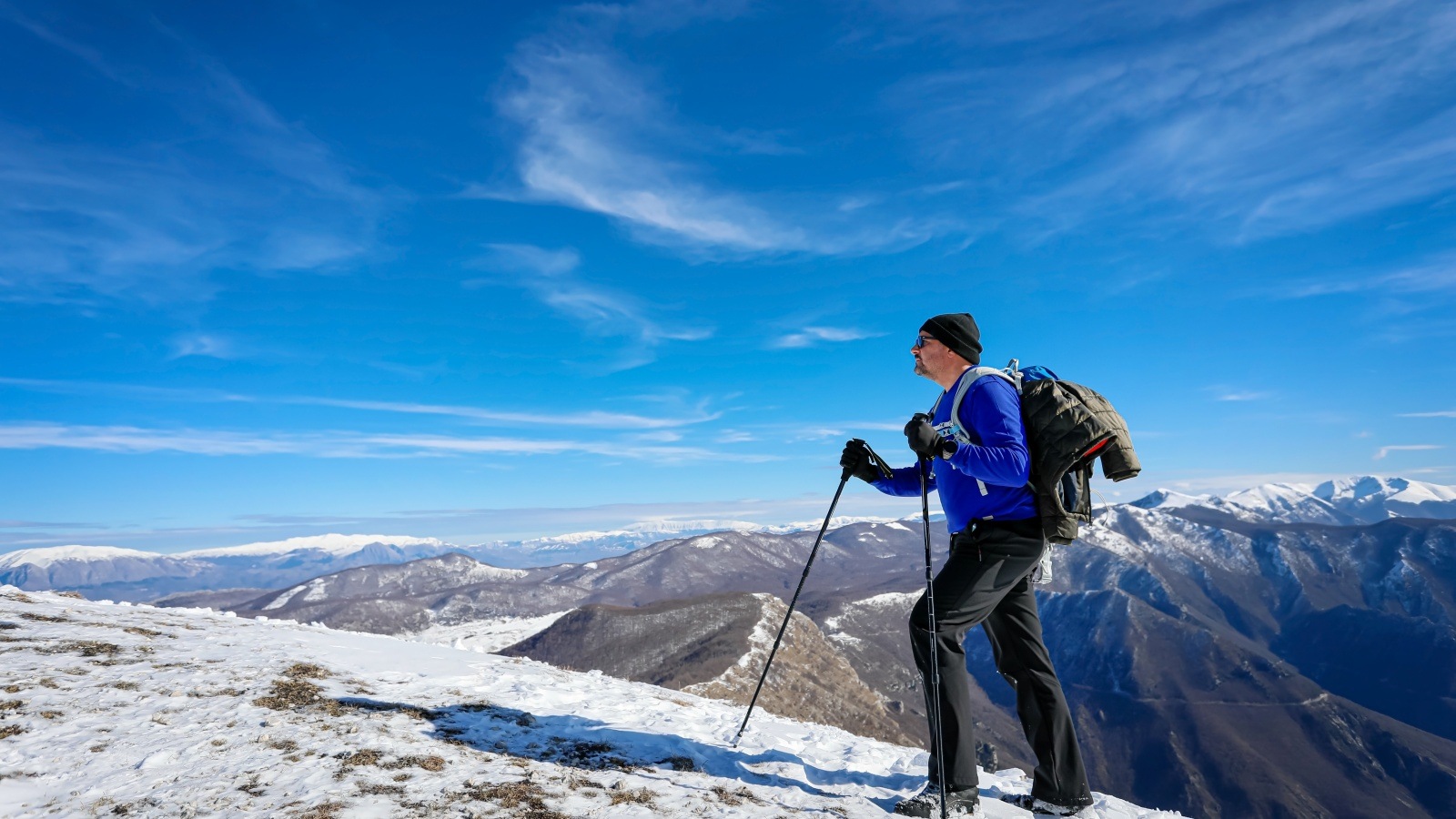
Sometimes, when people climb to very high places, their eyes can have problems.
This is because there's less oxygen and different pressure up there.
Small blood vessels in the eye can leak, causing blurry vision or even loss of sight.
It's like a tiny leak in a water pipe.
People who climb too quickly or have other health issues are more at risk.
To protect your eyes, go up slowly, drink plenty of water, and wear sunglasses.
If your vision gets blurry or your eyes hurt, stop climbing and go back down.
See a doctor if it doesn't get better.

High Altitude Retinopathy (HAR) can cause vision loss at high altitudes.
Rapid ascent without acclimatization increases the risk of HAR.
Symptoms include blurred vision, eye pain, and floaters.
Preventative measures include gradual ascent, hydration, and UV protection.
Immediate action for vision changes is to stop climbing and descend.
- Who
- Trekker, eye surgeons, ophthalmologists
- What
- High Altitude Retinopathy (HAR) leading to vision loss
- When
- During or shortly after ascending to high altitudes
- Where
- Leh-Ladakh region, other high-altitude locations
- Why
- Reduced oxygen levels and increased blood pressure in retinal vessels
- Condition
- High Altitude Retinopathy (HAR)
- Altitude Risk
- Above 2,500-3,000 meters
- Early Signs
- Blurred vision, eye pain, redness, floaters, or dark spots
- Preventive Measures
- Gradual ascent, hydration, UV-protective sunglasses
- Immediate Action
- Stop ascent, descend, seek medical evaluation