

Archive · 23 Aug 2025
UK Sees Rise in Four-Day Workweeks Since Pandemic
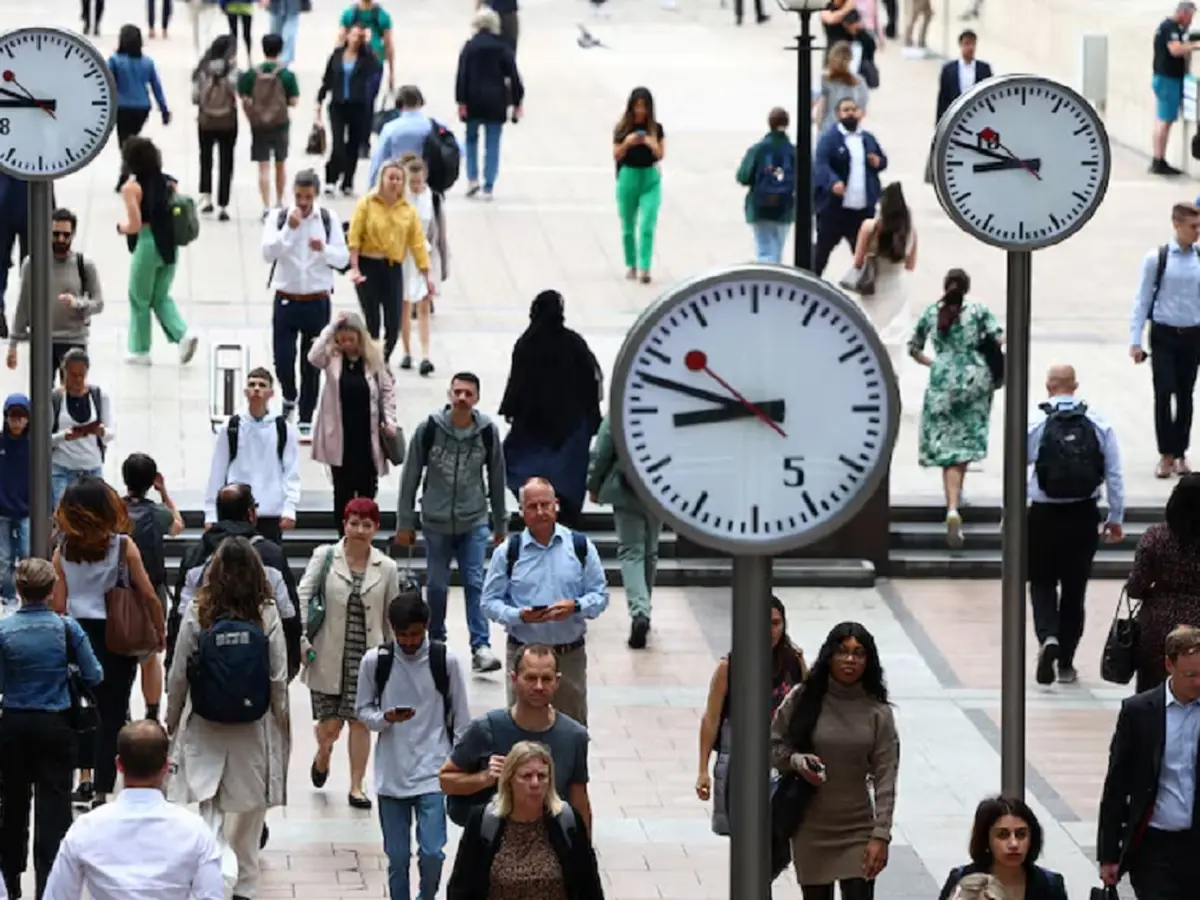
Imagine if people in the UK started working only four days a week instead of five!
Since 2019, over 200,000 people have made this change.
Lots more people are working a four-day work week now than before the pandemic.
Some people and companies think this is a good idea because it can help people feel better and get more free time.
Even a local government has started doing this, and it seems to be working well.
This is part of a big change in how people work, and some politicians are in support of it too.

Over 200,000 UK workers transitioned to a four-day workweek since 2019.
Between October-December 2024, 1.4 million worked full-time four-day weeks, up 100,000 since 2019.
The percentage of UK employees in a four-day workweek rose from 9.8% in 2019 to 10.9% in 2024.
The 4 Day Week Foundation reports over 420 companies with 12,000+ employees have adopted a four-day week.
South Cambridgeshire District Council is the first UK council to permanently adopt a four-day week.
- Who
- UK workers, companies, and the South Cambridgeshire District Council
- What
- Increased adoption of the four-day workweek in the UK.
- When
- Since 2019, and especially between October and December 2024.
- Where
- United Kingdom
- Why
- Driven by potential benefits such as improved well-being, work-life balance, and the evolving work landscape
Proponents
Critics
Employee Benefits vs. Compensation
Proponents
Improved mental health and work-life balance for employees.
Critics
Data doesn't specify if hours are compressed, or if employees took pay cuts.
- Full-time four-day workers (Oct-Dec 2024)
- 1.4 million
- Full-time four-day workers (Oct-Dec 2019)
- 1.29 million
- Total four-day workweek percentage (2024)
- 10.9%
- Total four-day workweek percentage (2019)
- 9.8%
- Companies adopting four-day week (approx.)
- 420+
- Council adopting 4-day week
- South Cambridgeshire District Council