

Archive · 18 Sep 2026
Railways relocate Tundla temple and mazar after consensus for safety
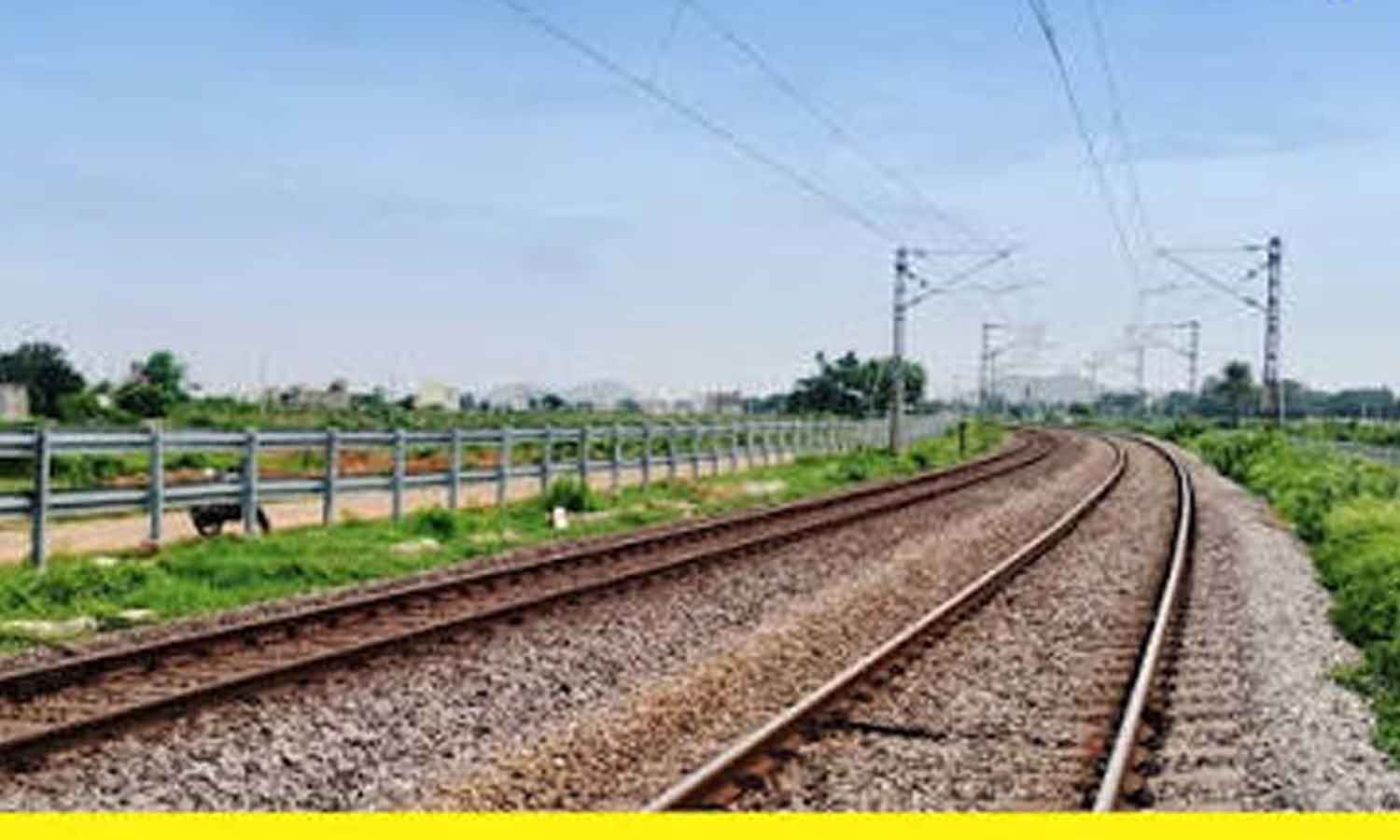
Two old religious places stood between railway tracks at Tundla station.
One was a Hanuman temple, and the other was a mazar called Loko Baba.
Railway officials said their location could make train operations and passenger safety more difficult.
The Railways wanted to move them to safer, designated places.
Officials spent nearly six months speaking with religious leaders and devotees.
Leaders connected with both religious sites agreed to the plan.
The Urs Committee and railway security teams also helped during the move.
Officials said the agreement protected safety while respecting religious traditions and communal harmony.

A more than century-old Loko Baba mazar and a 66-year-old Hanuman temple were relocated from Tundla station in Uttar Pradesh.
The structures stood between railway lines No. 2 and 3, raising concerns about railway operations and passenger safety.
The relocation followed nearly six months of discussions with religious leaders, devotees and other stakeholders.
Railway officials said the structures were moved to safe and suitable designated locations to support railway development.
The Urs Committee, Railway Protection Force, Government Railway Police and railway teams participated in the process, which officials described as supporting communal harmony.
- Who
- Railway officials, religious leaders, devotees, the Urs Committee, Railway Protection Force and Government Railway Police.
- What
- The Railways relocated the Loko Baba mazar and a 66-year-old Hanuman temple.
- When
- The report was published on September 17; the relocation process took nearly six months.
- Where
- Tundla station in Uttar Pradesh, between railway lines No. 2 and 3.
- Why
- The structures’ location posed challenges for railway operations and passenger safety, while railway development required a safer arrangement.
- Location
- Tundla station, Uttar Pradesh
- Relocated structures
- Loko Baba mazar and Hanuman temple
- Mazar age
- Believed to be approximately 100 to 125 years old
- Temple age
- Locally stated to be 66 years old
- Original location
- Between railway lines No. 2 and 3
- Consultation period
- Nearly six months
- Participating groups
- Religious leaders, devotees, the Urs Committee, railway teams, Railway Protection Force and Government Railway Police
