Archive · 26 Dec 2025
Americans May Get Larger Tax Refunds in 2026
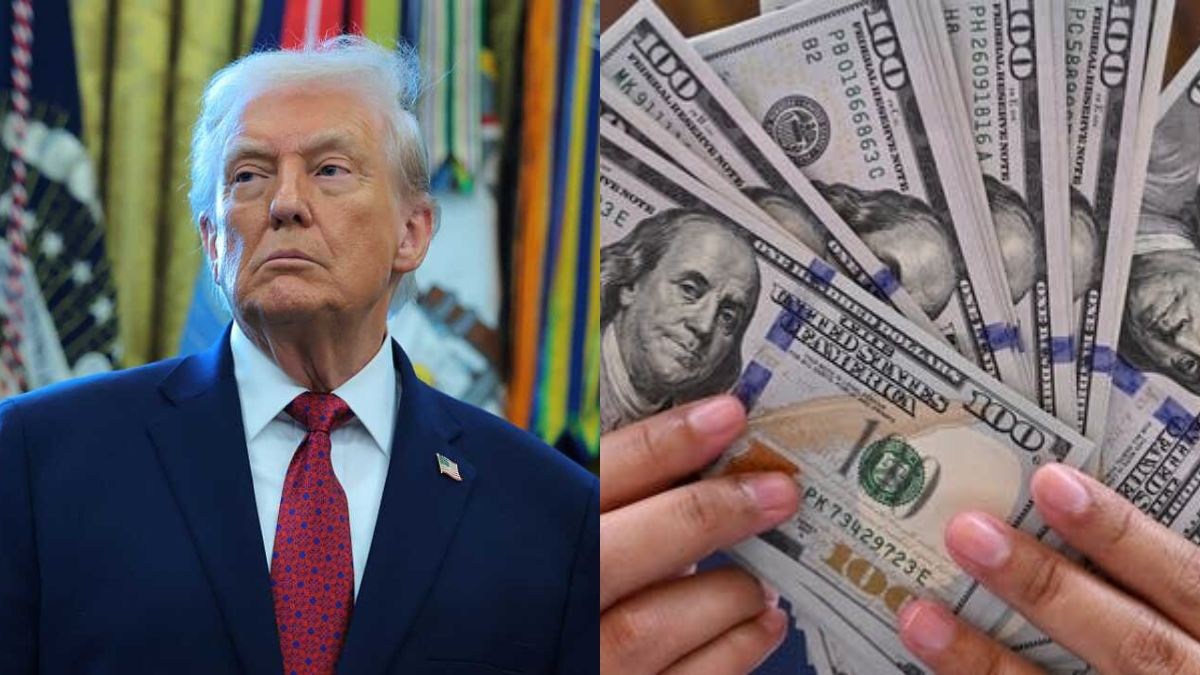
Americans might get bigger tax refunds in 2026 because of a new tax law called the One Big Beautiful Bill Act (OBBBA).
This law was signed by President Trump and applies to taxes from the start of 2025.
Many people have already paid more taxes than they need to through their paychecks.
When they file their taxes in 2026, they could get refunds of $1,000 to $2,000.
The average refund might be around $4,151.
However, some experts say this law will increase the US deficit and help higher-income people more than lower-income people.
The biggest benefits will go to middle- and middle-upper income families.
Some people think this is good because it will help families who are struggling with money, while others think it is not good because it will make the national debt worse and cut important programs for poor people.

Americans may receive larger tax refunds in 2026 due to the One Big Beautiful Bill Act (OBBBA).
The law applies retroactively to January 2025, leading to potential refunds of $1,000 to $2,000 for many households.
The average refund could rise to $4,151 per filer during the 2026 tax season.
Most workers have not adjusted their tax withholding, leading to larger refunds when they file their taxes.
The law is expected to increase the US deficit and disproportionately benefit higher-income households.
- Who
- Americans, especially middle- and middle-upper income groups
- What
- Potential for larger tax refunds due to the One Big Beautiful Bill Act (OBBBA)
- When
- During the 2026 tax season, retroactive to January 2025
- Where
- United States
- Why
- Due to the retroactive impact of the OBBBA, which reduces tax liabilities for many households
Supporters of the Bill
Critics of the Bill
Economic Relief
Supporters of the Bill
Supporters argue that the refunds will provide significant short-term economic relief to American families, especially during times of financial strain.
Critics of the Bill
Critics contend that the refunds are a short-term fix and do not address long-term economic stability or income inequality.
Deficit Impact
Supporters of the Bill
Supporters believe the economic boost from increased consumer spending will offset the deficit increase.
Critics of the Bill
Critics argue that the bill will significantly increase the US budget deficit, worsening the national debt.
Benefits Distribution
Supporters of the Bill
Supporters highlight that the refunds will benefit a broad range of income groups, providing widespread financial relief.
Critics of the Bill
Critics point out that the benefits are disproportionately skewed towards higher-income households and large businesses, while low-income households may see cuts to essential programs.
- Law
- One Big Beautiful Bill Act (OBBBA)
- Effective Date
- Retroactive to January 2025
- Estimated Average Refund
- $4,151 per filer
- Estimated Refund Range
- $1,000 to $2,000 for most Americans
- Total Refund Value
- Up to $360 billion
- Impact on Deficit
- Increase in US deficit
- Benefits Distribution
- Concentrated in middle- and middle-upper income groups
- Top 10% Income Gain
- $12,000 average between 2026 and 2034
- Bottom 10% Income Loss
- $1,600 per year