

Archive · 11 Oct 2026
Goyal Says India-US Trade Pact Must Reflect Changed Circumstances
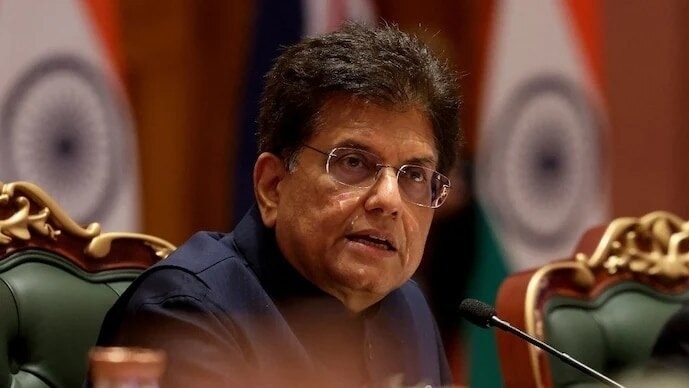
India and the United States are working on a trade agreement.
Piyush Goyal says the agreement needs to reflect changes that have happened since the countries first agreed on a framework.
The United States had planned to lower tariffs on Indian goods and remove a penalty linked to India's Russian oil purchases.
But a US Supreme Court decision changed the tariff rules.
The United States then put a 10% tariff on goods from all countries for 150 days.
India wants its goods to face lower tariffs than goods from competing countries.
Talks between the two countries are continuing, though US Trade Representative Jamieson Greer said a deal was not imminent.
India is also discussing trade agreements with other countries and groups.

Piyush Goyal said the India-US trade pact must account for changed circumstances.
India and the US finalised a framework for the first phase of their Bilateral Trade Agreement in February.
A US Supreme Court ruling on February 20 struck down reciprocal tariffs imposed under the International Emergency Economic Powers Act.
The US then introduced a 10% tariff on all countries for 150 days, changing the context for negotiations.
India is also pursuing trade agreements with several other countries and regional groups.
- Who
- India and the United States; Indian Commerce Minister Piyush Goyal discussed the pact.
- What
- The countries are negotiating a Bilateral Trade Agreement, and Goyal said it must reflect changed circumstances.
- When
- After the first-phase framework was finalised in February; the US tariff changes followed a February 20 Supreme Court ruling.
- Where
- The negotiations concern trade between India and the United States. Goyal made the remarks at the ET Startup Awards 2026 in Bengaluru.
- Why
- Changes to US tariff rules altered the conditions for negotiations, while India seeks lower tariffs than competing countries for its goods.
- Agreement
- India-US Bilateral Trade Agreement (BTA); the framework for its first phase was finalised in February.
- Proposed US terms
- The original agreement included eliminating a 25% penalty on India for purchasing Russian oil and lowering the reciprocal tariff on Indian goods to 18%.
- US Supreme Court ruling
- On February 20, the court struck down reciprocal tariffs imposed under the International Emergency Economic Powers Act.
- Subsequent US tariff
- The US introduced a 10% tariff applicable to all countries for 150 days on February 24.
- India's negotiating goal
- Secure a comparative advantage for Indian goods in the US market, including lower tariffs than those faced by competing nations.
- Other trade discussions
- India is pursuing agreements or talks with Israel, Chile, the Gulf Cooperation Council, the Eurasian Economic Union, Canada, Mexico and the South African Customs Union.