1 hr ago
Extreme Weather Reshapes Global Travel Plans and Seasons
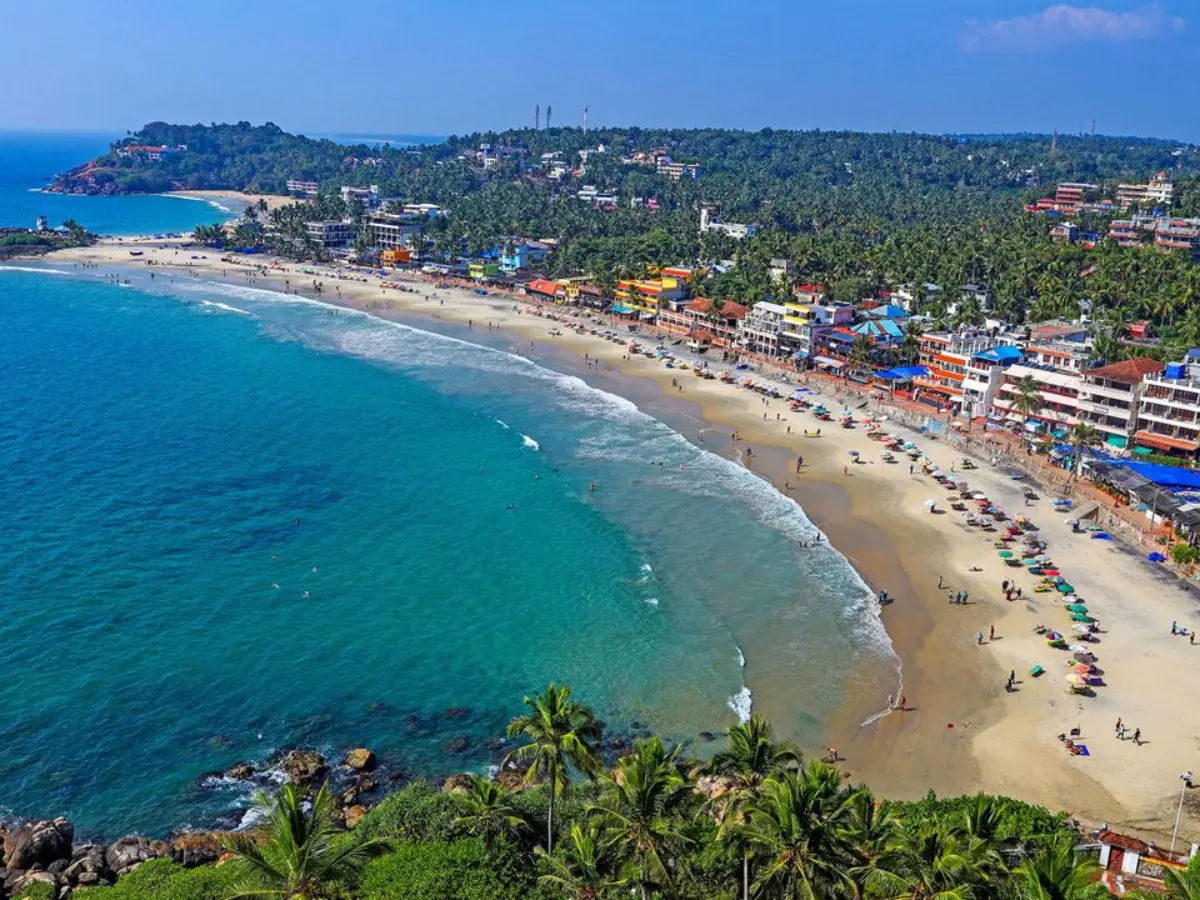
Hotter and more unpredictable weather is changing where people go on holiday.
Some travellers are avoiding very hot Mediterranean destinations in July and August.
They are choosing cooler places such as Norway, Sweden, and Scotland instead.
This is sometimes called “coolcationing.”
Other travellers are going on holiday in April, May, or September to avoid the hottest months.
Heatwaves and wildfires can make trips uncomfortable or unsafe.
Storms and floods can cancel flights and damage transport hubs.
Because of these risks, some travellers are buying more expensive insurance.
These changes are reshaping when and where people travel.

Mediterranean destinations saw a 10 percent decline in peak-summer popularity in 2023 amid extreme-weather concerns.
Travellers are increasingly choosing cooler destinations such as Norway, Sweden, and Scotland, a trend called “coolcationing.”
Many tourists are shifting holidays from July and August to shoulder months including April, May, and September.
Autumn bookings for Southern Europe have increased, according to travel analytics firm ForwardKeys.
Storms, floods, heatwaves, and wildfires are raising disruption risks and increasing demand for premium travel insurance.
- Who
- International travellers, tourism businesses, and travel-insurance providers are affected.
- What
- Extreme weather is shifting holiday destinations, travel seasons, and insurance choices.
- Where
- The trend affects Mediterranean and other Southern European destinations, while cooler alternatives include Norway, Sweden, and Scotland.
- When
- The changes are occurring during recent peak summer periods, with 2023 data cited and increased interest in April, May, September, and autumn travel.
- Why
- Heatwaves, wildfires, storms, floods, flight cancellations, and evacuation risks are making traditional summer travel less appealing and more expensive.
Key facts
- Peak-season decline
- Mediterranean destination popularity dropped by 10 percent during peak summer months, according to a 2023 European Travel Commission report.
- Coolcationing
- Travellers are increasingly choosing cooler countries, including Norway, Sweden, and Scotland.
- Shoulder-season travel
- April, May, and September are becoming more attractive alternatives to July and August.
- Autumn bookings
- ForwardKeys reported a notable increase in autumn airline ticket bookings for Southern Europe.
- Weather disruptions
- Storms and floods can cause flight cancellations, missed connections, and emergency hotel expenses.
- Insurance costs
- Premium policies covering severe weather and evacuation can add significant costs to international holidays.
Sources
Related news

How Climate, Wellness, and Currency Can Shape Travel Choices

Affluent Americans Shift Luxury Travel From Summer to Autumn

Solar eclipse sends Europe's hotel prices soaring

Eight Data-Backed Ways to Make Travel More Affordable

Smart Holiday Planning Tips to Cut Travel Costs

Central Park Kiss Puts New York Lawyer’s Career at Risk

Top 2025 Internet Moments: Nano Banana, Ghibli, Prashant, and More

HR Executive Speaks on Coldplay Kiss Cam Scandal

Coldplay Concert Kiss Cam Scandal: New Details Emerge