Archive · 19 Dec 2025
In-bus air quality study reveals cleaner air for passengers
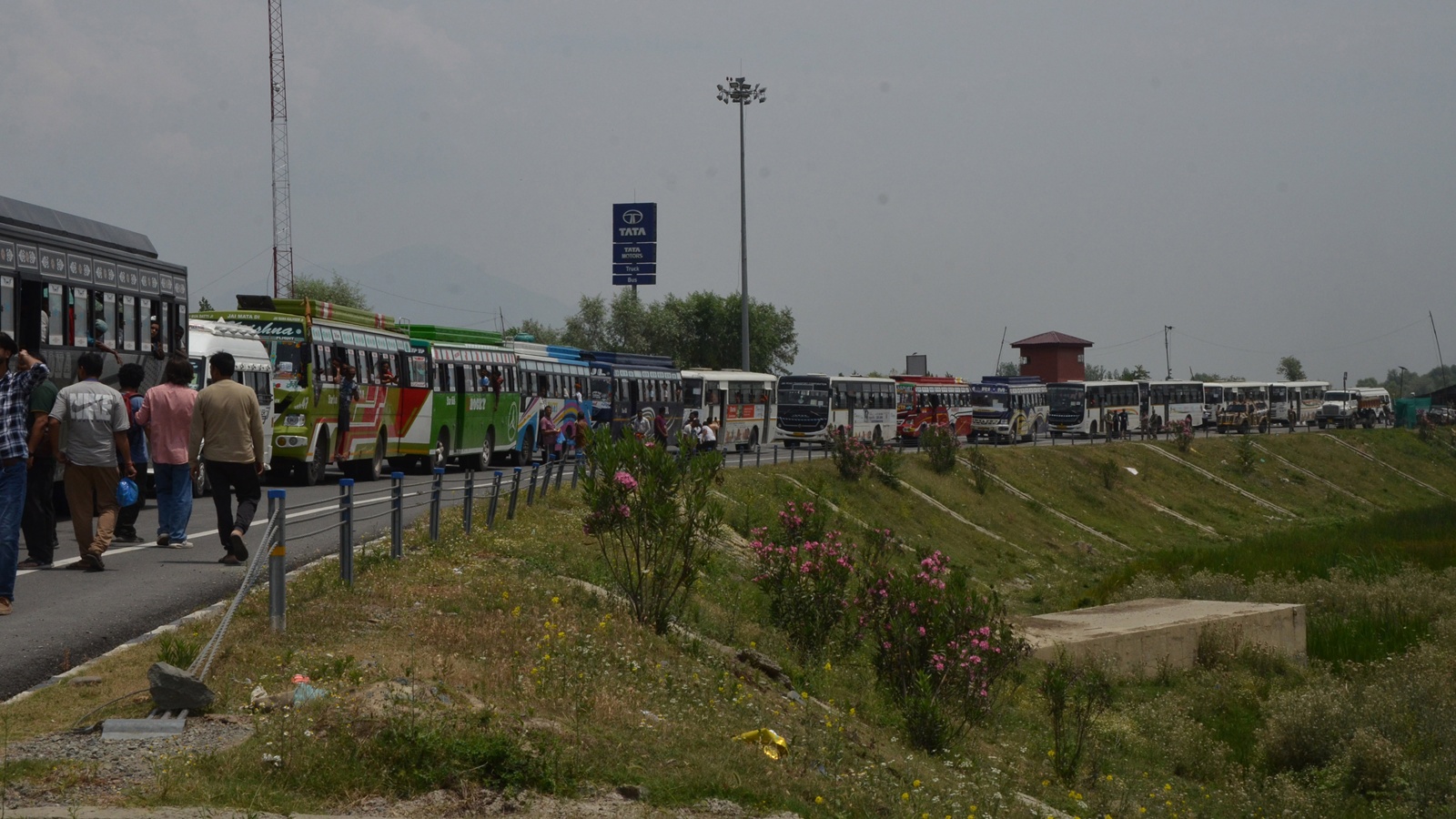
A new study found that passengers on long-distance buses in India breathe cleaner air for most of their travel time.
The study, conducted by Respirer Living Sciences and IntrCity SmartBus, measured air quality inside buses on 11 different routes.
They found that for up to 80% of the time, the air inside the buses had low levels of tiny pollution particles called PM2.5, which are harmful to health.
This means passengers are breathing cleaner air for most of their journey.
The study also showed that even when pollution levels were higher, these spikes were short and not sustained.
This is good news for passengers' health, especially during winter when pollution levels are usually high.
The buses used special technology to monitor and clean the air, making the trips safer and healthier.

Passengers spent up to 80% of their travel time breathing air with PM2.5 levels below 60 µg/m³.
The study was conducted by Respirer Living Sciences and IntrCity SmartBus across 11 intercity routes in India.
Most routes had PM2.5 levels below 60 µg/m³ for 60-80% of the journey time, indicating generally acceptable air quality.
Pollution spikes were short and intermittent, often below 10-15% of total travel time.
The study monitored nearly 4,500 passenger journeys, reducing respiratory health risks during peak winter pollution episodes.
- Who
- Respirer Living Sciences and IntrCity SmartBus
- What
- A study measuring real-time air quality inside long-distance buses
- When
- December 7-14, 2025
- Where
- 11 intercity routes in India
- Why
- To understand passenger exposure to particulate pollution during long-distance road travel and highlight the effectiveness of in-cabin air systems in reducing pollution exposure
- Study Conductors
- Respirer Living Sciences and IntrCity SmartBus
- Routes Analyzed
- 11 intercity routes
- Time Period
- December 7-14, 2025
- Clean Air Percentage
- Up to 80% of travel time
- PM2.5 Threshold
- Below 60 micrograms per cubic meter (µg/m³)
- Passenger Journeys Monitored
- Nearly 4,500
- Technology Used
- AI-powered air-quality monitoring and filtration
- Pollutants Targeted
- PM2.5, carbon dioxide, dust, smoke