Archive · 25 Nov 2025
India Honors Guru Tegh Bahadur's 350th Martyrdom
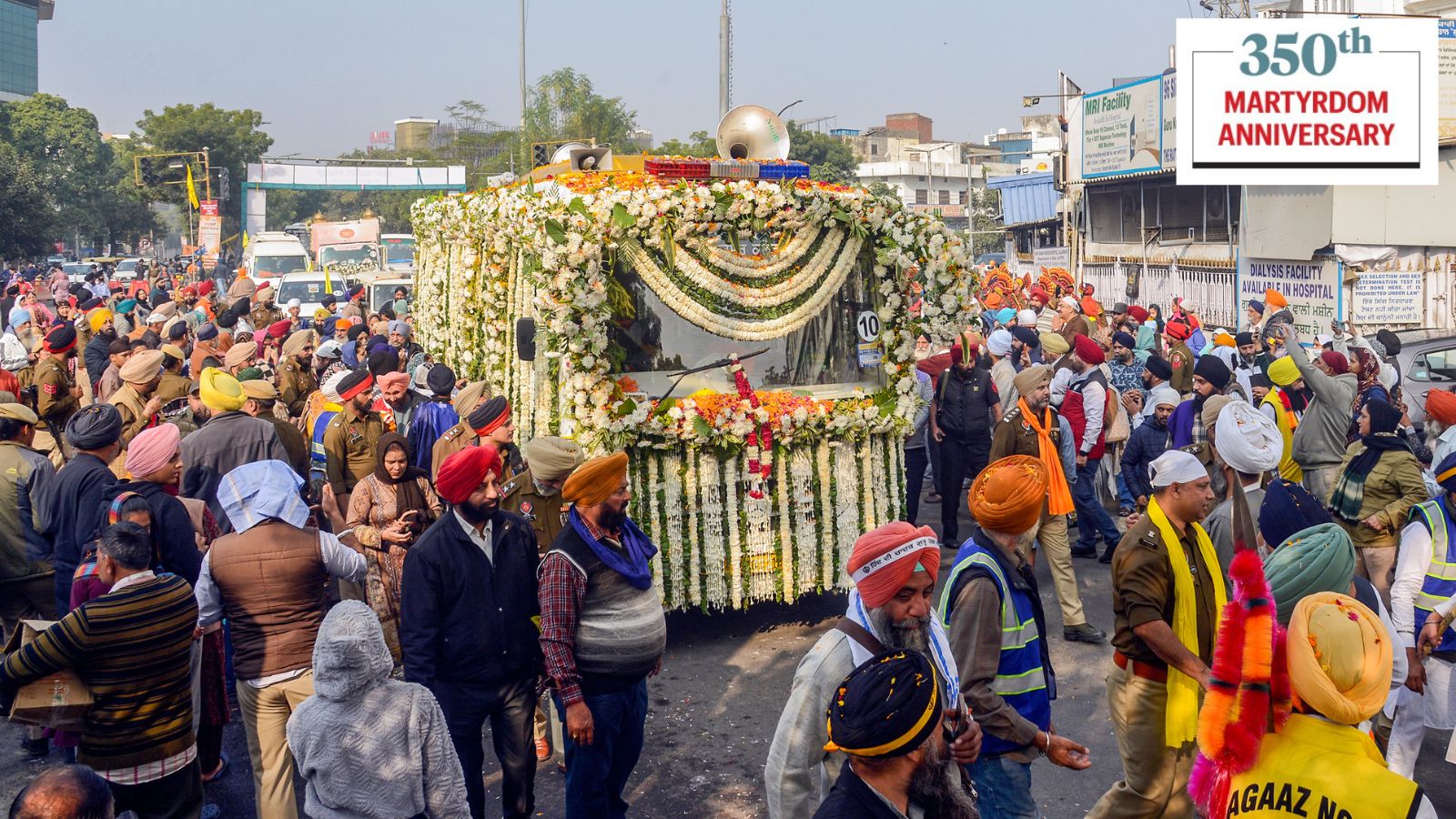
Guru Tegh Bahadur was a Sikh guru who died 350 years ago to protect the religious freedom of Kashmiri Pandits.
He is remembered for his bravery and the principle of 'fear none, frighten none.'
The Indian government is planning big events to remember him, like renaming a train station and hosting a music festival.
Some people want the United Nations to honor him on Human Rights Day in 2025 because his teachings match the ideas of human rights.
His story is still important today because it teaches us about standing up for others and respecting different beliefs.
The government is also doing things like restoring Sikh shrines and making it easier for Sikhs from other countries to visit holy sites.

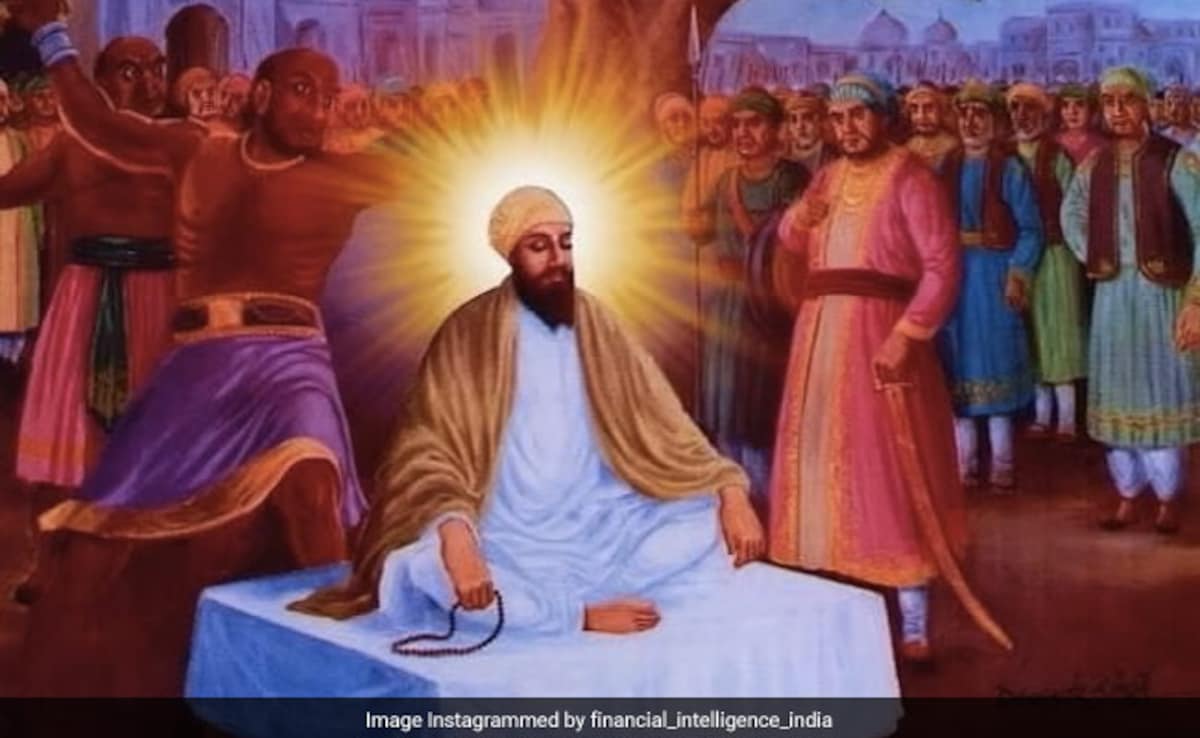
Guru Tegh Bahadur was martyred on November 25, 1675, to protect the religious freedom of Kashmiri Pandits.
His principle of 'fear none, frighten none' aligns with the Universal Declaration of Human Rights (UDHR).
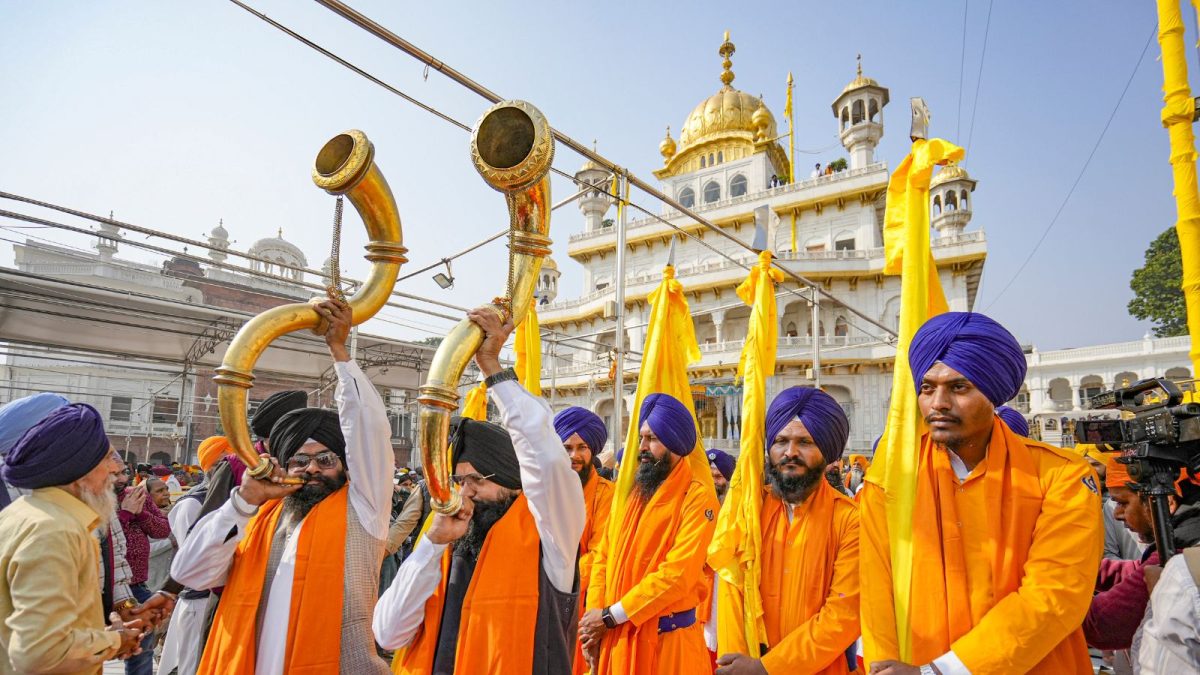
The Indian government is planning events to commemorate his 350th martyrdom anniversary, including a grand kirtan-samagam, continuous langar, and restoration of Sikh shrines.
The government has also facilitated global celebrations and eased visa and citizenship rules for persecuted Sikh communities.
The commemoration aims to integrate Sikh heritage into the broader Indian national identity, emphasizing unity and collective pride.
- Who
- Guru Tegh Bahadur, the ninth Sikh guru, and the Indian government led by Prime Minister Narendra Modi
- What
- Commemoration of Guru Tegh Bahadur's 350th martyrdom anniversary and proposal to dedicate Human Rights Day 2025 to him
- When
- November 25, 1675 (martyrdom), 2025 (proposed UN recognition and current commemorations)
- Where
- Chandni Chowk, Delhi (martyrdom), various locations across India (current commemorations), Global (proposed UN recognition)
- Why
- To protect religious freedom and human rights, aligning with the principles of the Universal Declaration of Human Rights, and to integrate Sikh heritage into the broader Indian national identity
Government Perspective
Historical Context
National Integration
Government Perspective
The government views the commemoration as a way to integrate Sikh heritage into the broader Indian national identity, emphasizing unity and collective pride.
Historical Context
Historically, Sikh commemorations were more regional and episodic, focused within Punjab and the diaspora.
Civilizational Diplomacy
Government Perspective
The government sees these events as a form of civilizational diplomacy, projecting India as a protector of spiritual minorities and a beacon for the Sikh diaspora.
Historical Context
Critics might argue that this approach could be seen as politicizing religious figures for nationalistic purposes.
- Date of Martyrdom
- November 25, 1675
- Location of Martyrdom
- Chandni Chowk, Delhi
- Reason for Martyrdom
- Protection of religious freedom for Kashmiri Pandits
- Key Principle
- Fear none, frighten none
- UDHR Alignment
- Articles 1 and 18 of the Universal Declaration of Human Rights
- Current Relevance
- Fighting intolerance, forced conformity, and suppression of minorities
- Proposed UN Recognition
- Dedicate Human Rights Day 2025 to Guru Tegh Bahadur
- Government Initiatives
- Restoration of Sikh shrines, GST exemption on langar, Kartarpur Sahib Corridor, and global outreach
Sources

Guru Tegh Bahadur Died Fighting Communal Hatred That the BJP-RSS Promote Today
Guru Tegh Bahadur’s 350th martyrdom day: Why Dec 10, Human Rights Day, should be dedicated to ninth Sikh guru this year
Guru Tegh Bahadur Shaheedi Diwas 2025: Quotes And Messages To Honour Ninth Guru Of Sikhism
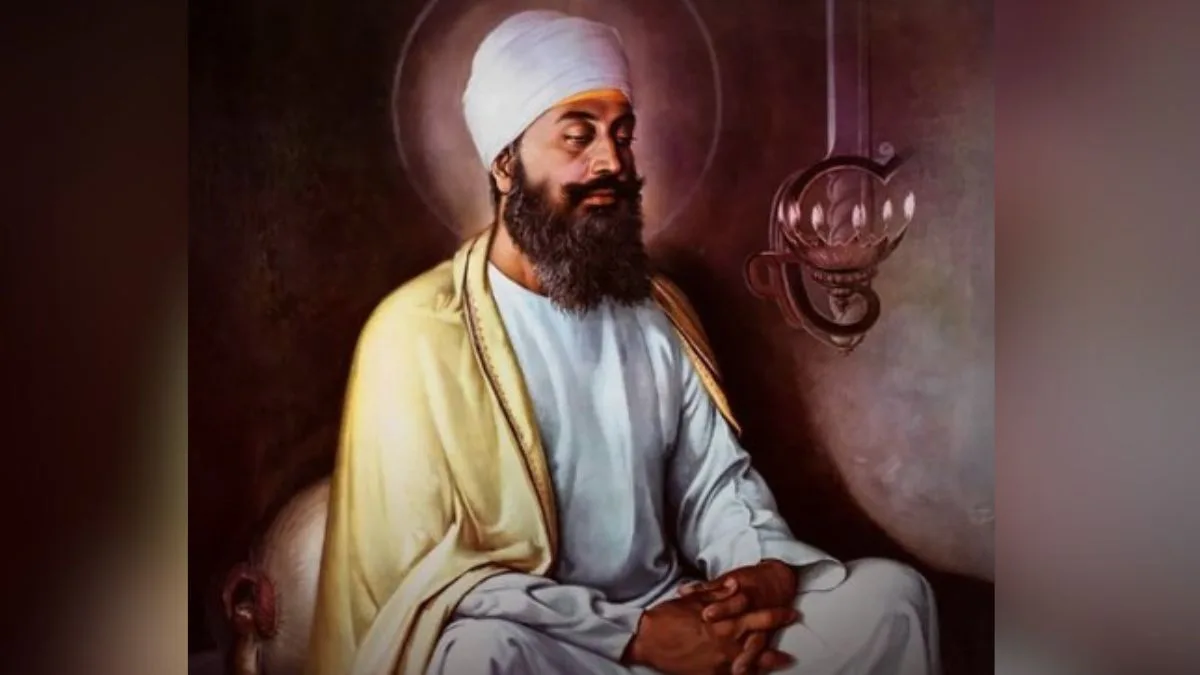
Rahul Gandhi pays tribute to Guru Teg Bahadur on Martyrdom Anniversary