

11 months ago
Animal Cannibalism: Survival Tactics in the Animal Kingdom
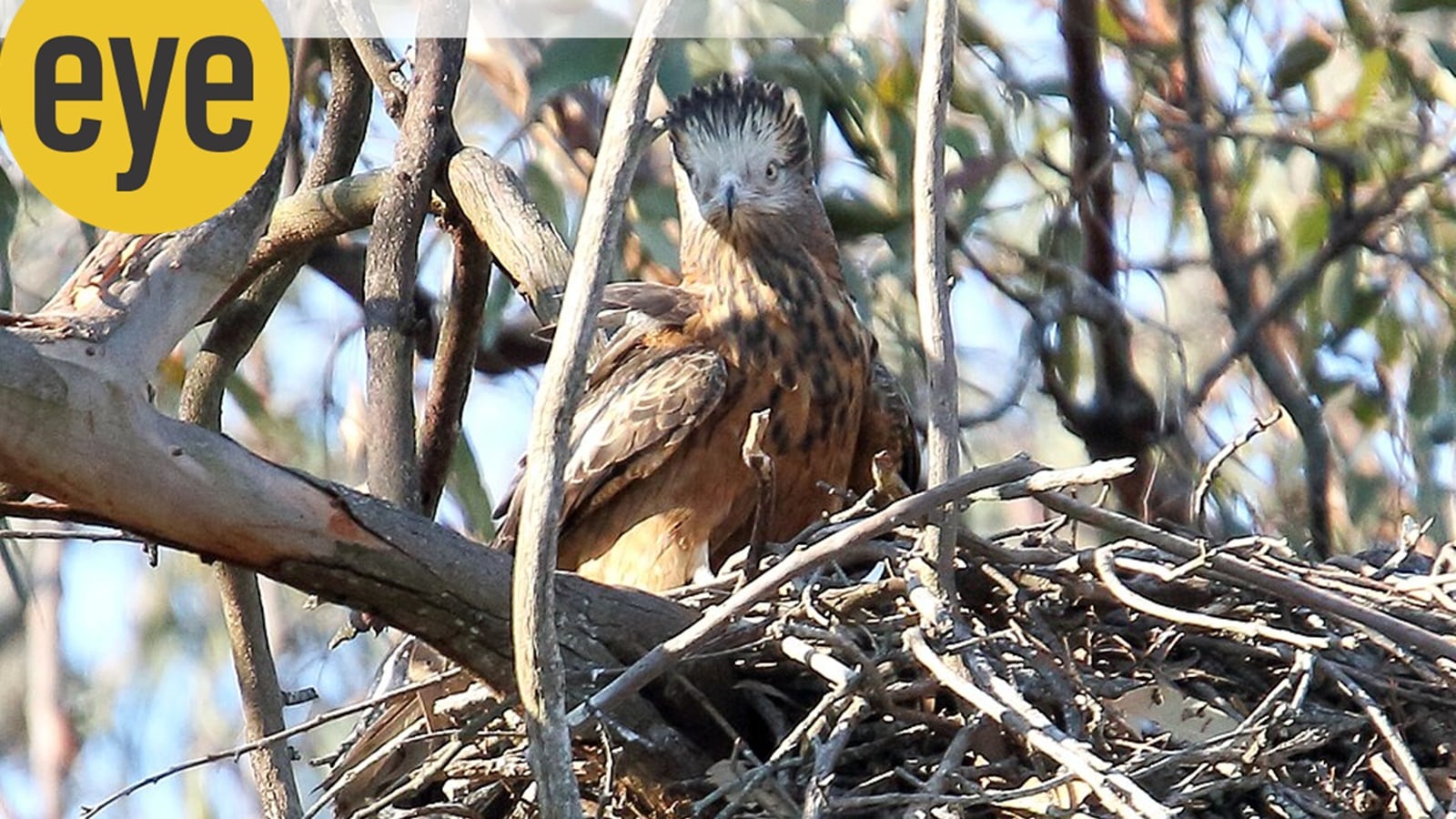
Some animals, like certain birds and sharks, sometimes eat their own family members.
This happens because it helps the strongest survive, especially when food is hard to find.
For example, baby sharks eat their siblings while still in their mom's tummy.
Other animals, like lions and elephants, have strong family bonds, working together to protect each other.
Wolves and wild dogs live in family packs, and the younger ones help raise the pups.
Even insects, like bees, live in big families and help each other.
However, when it comes to bees choosing a queen, the new queen will kill her sisters to become the new queen.
It’s all about survival!

Black kites and other bird species practice siblicide.
Sand tiger shark embryos cannibalize each other in the womb.
Spotted hyenas have a social structure where eldest females can bully or kill their sisters.
Elephants live in herds led by matriarchs.
Wolves and African wild dogs live in family packs, often aiding in raising young and hunting.
- Who
- Various animal species, including birds, sharks, and hyenas.
- What
- Instances of cannibalism, siblicide, and other survival strategies within animal families.
- Where
- Observed in various animal habitats.
- When
- The observations were done over time.
- Why
- To ensure survival, particularly when resources are scarce.
Key facts
- Black Kites
- Elder chicks may kill younger siblings.
- Other Species
- Egrets, blue-footed boobies, and sand tiger sharks practice siblicide or cannibalism.
- Sand Tiger Sharks
- Embryos cannibalize siblings in the uterus.
- Spotted Hyenas
- Eldest females bully or kill younger sisters.
- Elephants
- Live in herds led by matriarchs.
- Lions
- Live in prides with related females, often suckling each other’s cubs.
- Wolves & Wild Dogs
- Live in family packs where related members help raise pups.
- Bees
- Live in hives where sisters work together; new queens kill rivals.