Archive · 21 May 2025
Centre: Waqf is Not Essential; No Right Over Government Land
The government is in court arguing about a new law about waqfs, which are like Islamic charities.
The government says that waqf is not a must-do part of Islam, and it's similar to charity in other religions.
They also say that if the government owns land, even if it's been used for religious purposes, the government can still take it back.
The court is also discussing if it's okay to have non-Muslims on waqf boards.
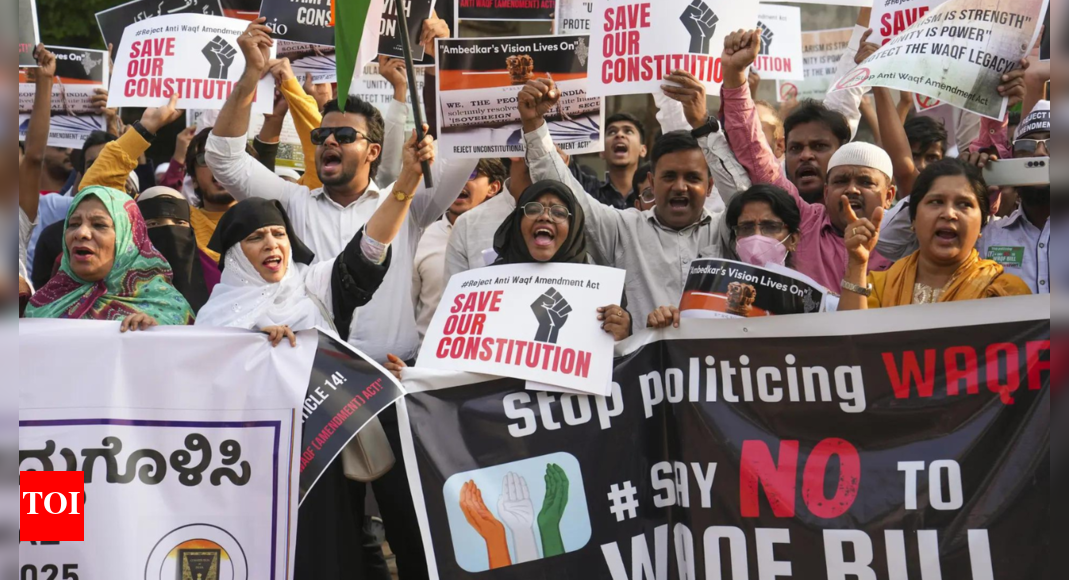
The people challenging the law believe that it is taking away waqf properties and are saying the law is unfair.

The Centre stated waqf is an Islamic concept but not essential to Islam.
The Centre maintains the government can reclaim government land, even if used as waqf by user.
The Centre defended the presence of non-Muslim members on waqf boards, saying their inclusion does not impact religious activities.
The Supreme Court heard arguments on the Waqf (Amendment) Act, 2025, with petitioners challenging its constitutionality.
The Centre urged the court to focus on three key issues: waqf property denotification, waqf board composition, and land classification.
- Who
- The Centre (represented by Solicitor General Tushar Mehta) and petitioners challenging the Waqf (Amendment) Act, 2025.
- What
- Arguments regarding the nature of waqf, the rights of the government over waqf properties, and the composition of waqf boards, in relation to the Waqf (Amendment) Act, 2025.
- When
- Ongoing hearing in the Supreme Court.
- Where
- The Supreme Court of India.
- Why
- To determine the constitutional validity and implications of the Waqf (Amendment) Act, 2025.
Centre
Petitioners
Nature of Waqf and Government Authority
Centre
Waqf is a secular construct and the government retains authority over government land, and can reclaim properties.
Petitioners
Act is unconstitutional and encroaches on minority rights.
Waqf Board Composition
Centre
Inclusion of non-Muslims in waqf boards does not impact religious activities.
Petitioners
Muslim representation is reduced in Waqf bodies.
Impact of Amended Law
Centre
Law seeks to regulate the secular administration of waqf while safeguarding religious freedom.
Petitioners
Government is taking over waqf properties without due process.
- Key Legislation
- Waqf (Amendment) Act, 2025
- Key Figures
- Tushar Mehta (Solicitor General), Kapil Sibal
- Main Argument
- Centre: Waqf is secular; government can reclaim land.
- Petitioner's Stance
- Act is 'creeping acquisition,' violates rights.
- Court's Stance
- Presumption of constitutionality for parliamentary statutes
Sources
Centre urges SC to confine waqf hearing to three issues, Sibal-Singhvi oppose 'piecemeal hearing'
Waqf Law case: Supreme Court says 'cannot intervene unless....' | Know big points
Supreme Court asks about presumption of constitutionality of Waqf Act 2025, petitioners say it is a ‘creeping acquisition’ of waqf assets
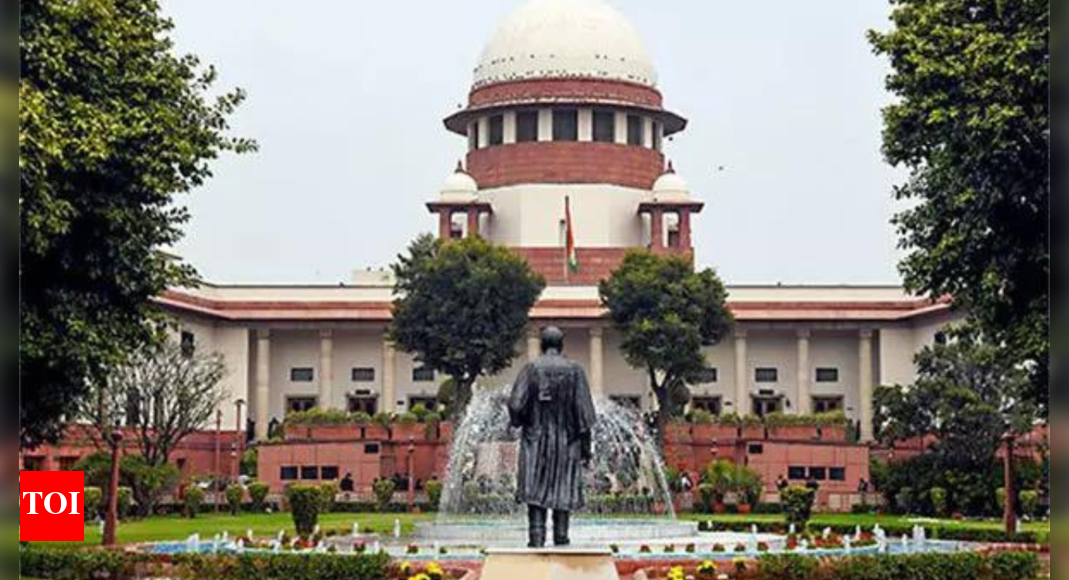
SC to petitioners challenging waqf law: Need 'strong and glaring' case for interim relief

Waqf religious aspects left untouched: Centre

New law designed to rob Muslims of religious rights over waqf: Kapil Sibal
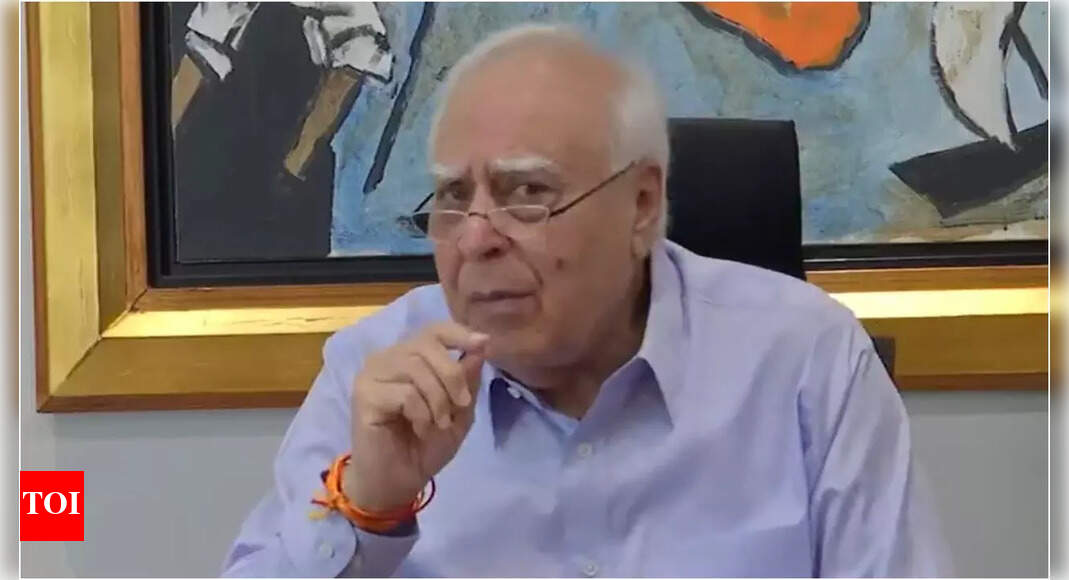
'Unlike temples, mosques don't get chadava'
No one has right over government land, even under Waqf by user: Centre to SC
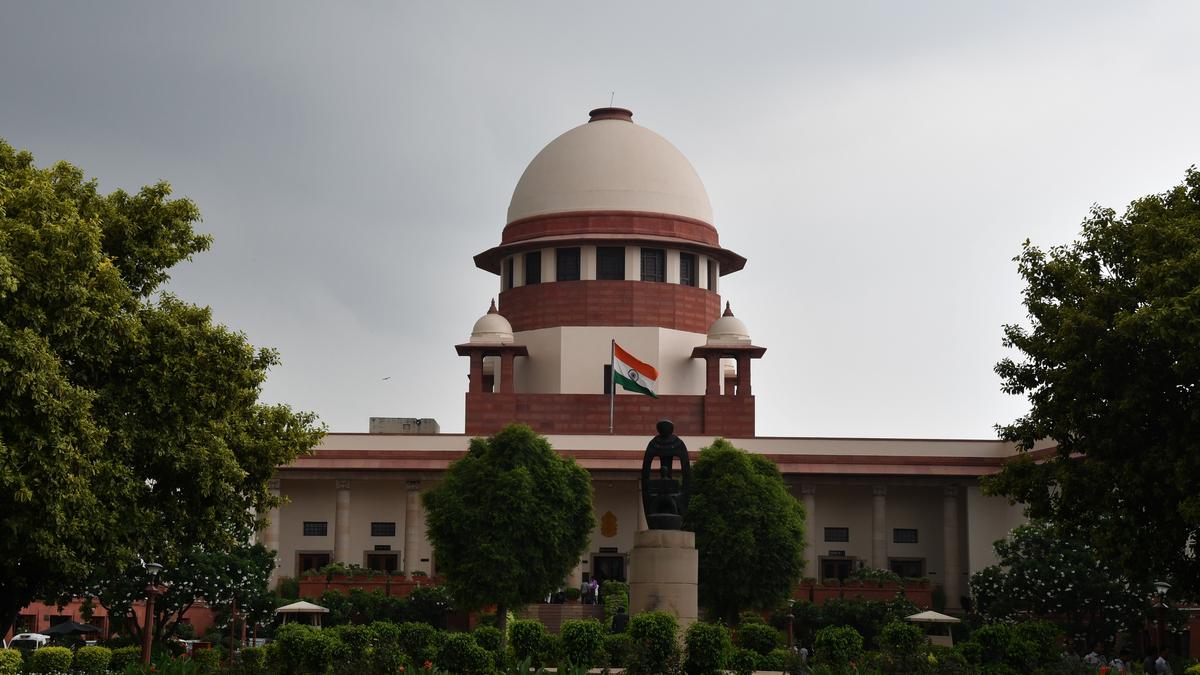
Waqf (Amendment) Act hearing LIVE: Non-muslims in waqf board limited to 2, will always be minority, says Solicitor General
Waqf is not an essential part of Islam, just like charity: Centre to Supreme Court

Waqf is like charity, not an essential part of Islam: Centre to Supreme Court