

Archive · 2 Jun 2025
OECD: China's Steel Subsidies Distort Global Market
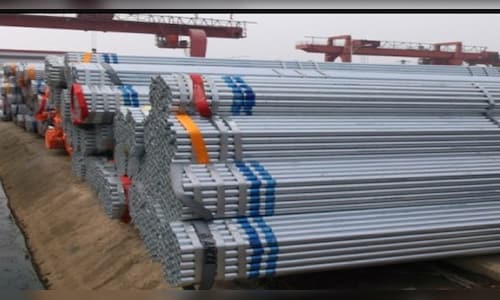
China gives lots of money to its steel companies, which helps them sell steel cheaper.
This makes it hard for other countries to compete, as China's steel exports have more than doubled.
The OECD says these subsidies cause problems for the world's steel market, leading to more tariffs and trade disputes.
The oversupply of cheap steel also slows down efforts to make steel production cleaner.
The UK government stepped in to save its last steel mill.
Countries like the US are taking action to protect their steel industries.
The situation needs cooperation to make things fair.

China's steel subsidies are distorting the global market, according to the OECD.
China's steel exports have more than doubled since 2020, reaching a record level in 2024.
The OECD found that China's steel subsidization rate is five times higher than other partner economies.
Cheap steel from China is affecting decarbonization investment in the industry.
Many governments are starting 'anti-dumping investigations' on steel.
- Who
- OECD, China, and other global steel producers.
- What
- China's steel subsidies are distorting the global market.
- When
- The report was published on Tuesday (May 27) focusing on data through 2024.
- Where
- Global steel market, particularly impacting OECD countries.
- Why
- China's domestic demand for steel slumped, leading to increased exports and subsidies.
OECD Perspective
China's Perspective
Impact of China's Steel Subsidies
OECD Perspective
China's steel subsidies distort the global market, hinder decarbonization efforts, and harm other countries' steel industries.
China's Perspective
China's steel subsidies are a necessary part of its economic strategy, allowing its steel industry to remain competitive in a challenging global market.
- Largest Steel Producer
- China
- China's steel production in 2024
- More than a billion tonnes
- China's record steel exports in 2024
- 118 million tonnes
- China's steel imports in 2024
- 8.7 million tonnes
- Steel production's contribution to global CO2 emissions
- 8%
- Increase in 'anti-dumping investigations'
- Five-fold increase
- US tariffs on imported steel
- 25%