Archive · 24 Sep 2025
Understanding Blood Sugar Spikes: What They Mean
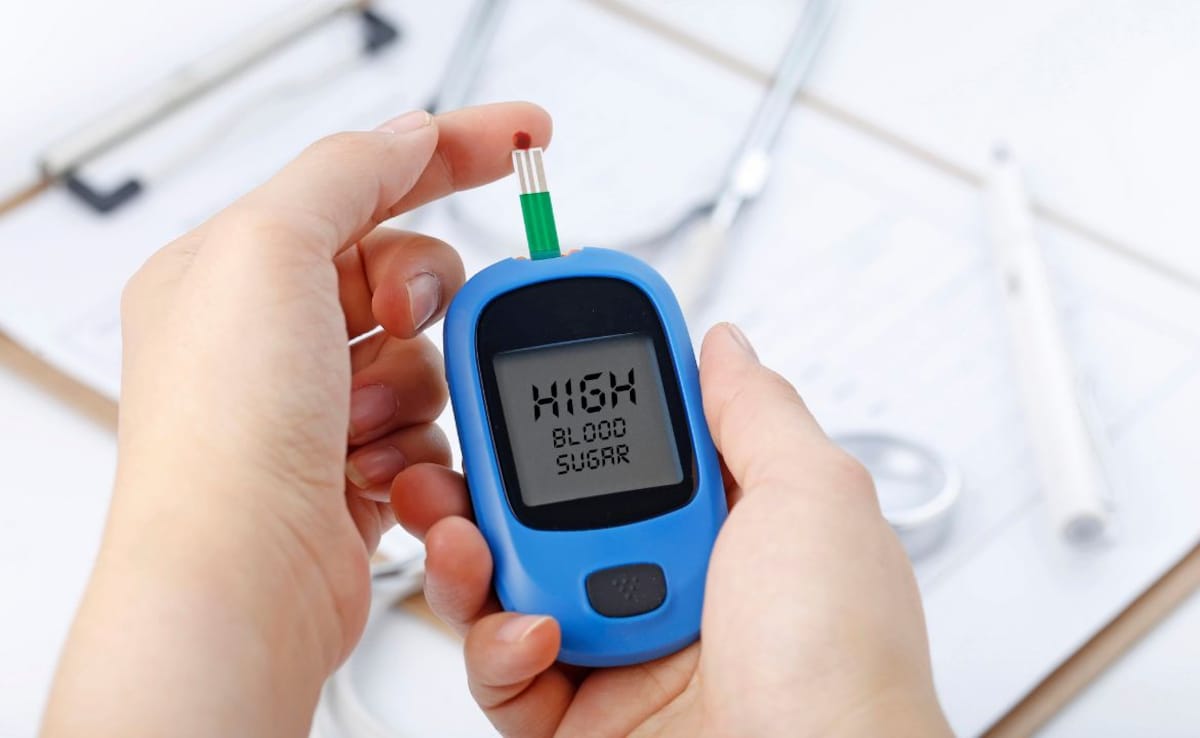
After you eat, your blood sugar might jump up, which is called a spike.
It's usually okay if it doesn't go too high (above 180 mg/dL) and comes down in a couple of hours.
Spikes happen faster with foods like white rice, sweets, and sugary drinks.
To help prevent them, try eating a mix of carbs with protein or fiber, smaller meals, moving around after eating, and skipping sugary drinks.
If you are consistently experiencing blood sugar spikes, consult a doctor.

A blood sugar spike is a sharp increase in blood sugar immediately after eating.
A rise to 180 mg/dL after a meal is not necessarily dangerous if it comes down within a few hours.
Spikes are more concerning if blood sugar goes above 180-200 mg/dL and stays high for a long time.
Foods with refined carbs and added sugars can cause spikes.
Preventative measures include balanced meals, exercise, and avoiding sugary drinks.
- Who
- People with diabetes or blood sugar concerns
- What
- Blood sugar spikes after meals, causes and prevention
- When
- After consuming food
- Where
- N/A
- Why
- To understand and manage blood sugar levels
- Main Focus
- Blood sugar spikes after meals
- Definition of a Spike
- A sharp rise in blood sugar after eating
- Concerning Levels
- Blood sugar exceeding 180-200 mg/dL for an extended period
- Contributing Factors
- Foods high in refined carbs and added sugars
- Prevention Tips
- Pair carbs with protein/fiber, small frequent meals, post-meal activity, avoid sugary drinks