

Archive · 8 Jun 2025
Insect Consumption: A Sustainable Food Solution for Climate Change
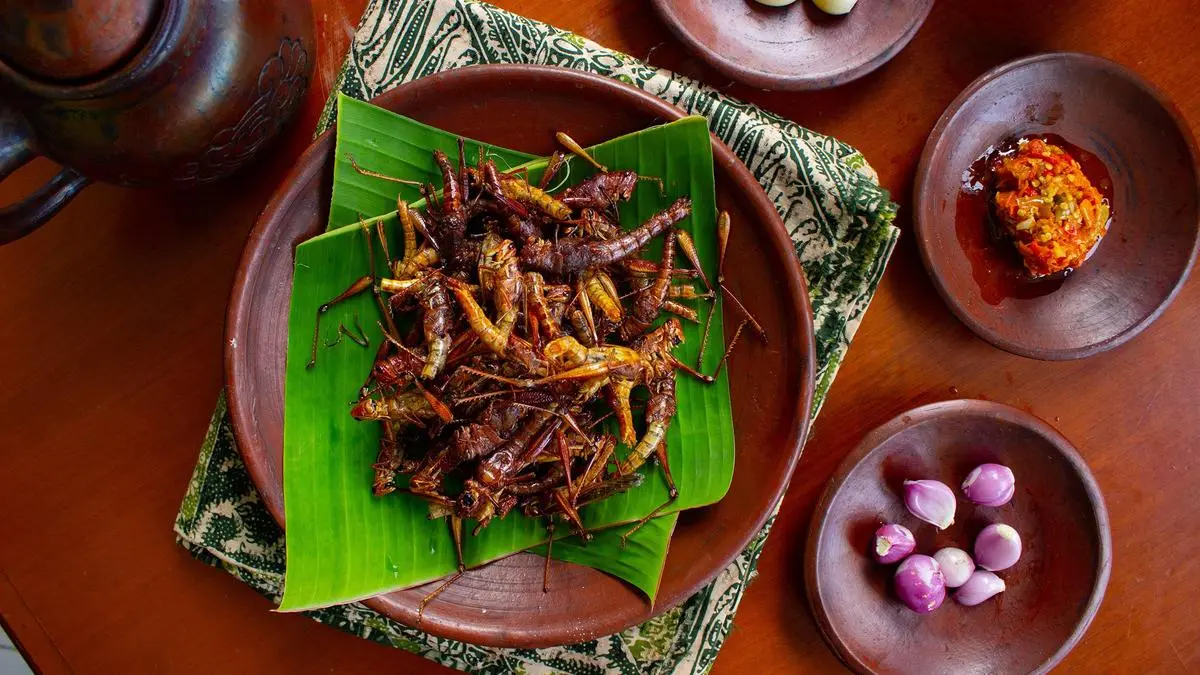
Eating insects, or entomophagy, could be a big help in fighting climate change.
Raising animals for food creates a lot of greenhouse gases that warm up the planet.
But insects are much more eco-friendly.
They need less land, water, and food to grow.
Insects, like crickets and mealworms, are packed with protein and important minerals, like iron, zinc and magnesium.
They also create less waste and can even eat our food scraps.
By eating insects, we can make a big difference for the planet and feed the growing world population.

Entomophagy, or eating insects, is an ancient practice gaining attention for its climate change potential.
Insect farming produces significantly fewer greenhouse gases compared to traditional livestock.
Edible insects offer high protein and mineral content while requiring less land, water, and feed.
Insects have superior feed conversion efficiency compared to chicken, pork, and beef.
Entomophagy could lessen deforestation and food waste, supporting sustainable food production.
- Who
- Researchers, academics, and consumers are the main focus.
- What
- Promoting entomophagy as a sustainable food alternative.
- When
- Published June 8, 2025
- Where
- Not explicitly stated.
- Why
- To combat climate change and develop sustainable food sources.
Potential Obstacles
Climate Benefits
Insect Types
Potential Obstacles
Some insects like termites, cockroaches, and scarab beetles can contribute to greenhouse gas emissions.
Climate Benefits
Commercially farmed edible insects such as mealworms and crickets demonstrate lower GHG emissions.
- Main Focus
- Entomophagy
- Primary Benefit
- Reduced Greenhouse Gas Emissions
- GHG Emission Reduction (Insect Farming)
- 100 times less than livestock
- Feed Conversion Ratio (Crickets vs. Beef)
- 12 times more efficient
- Water Footprint (Mealworms)
- Less than 2 liters per kg
- Global Insect Consumers
- 2 billion people