

Archive · 24 Jul 2026
Parliament Panel Proposes Crypto Watchdog Amid RBI Concerns
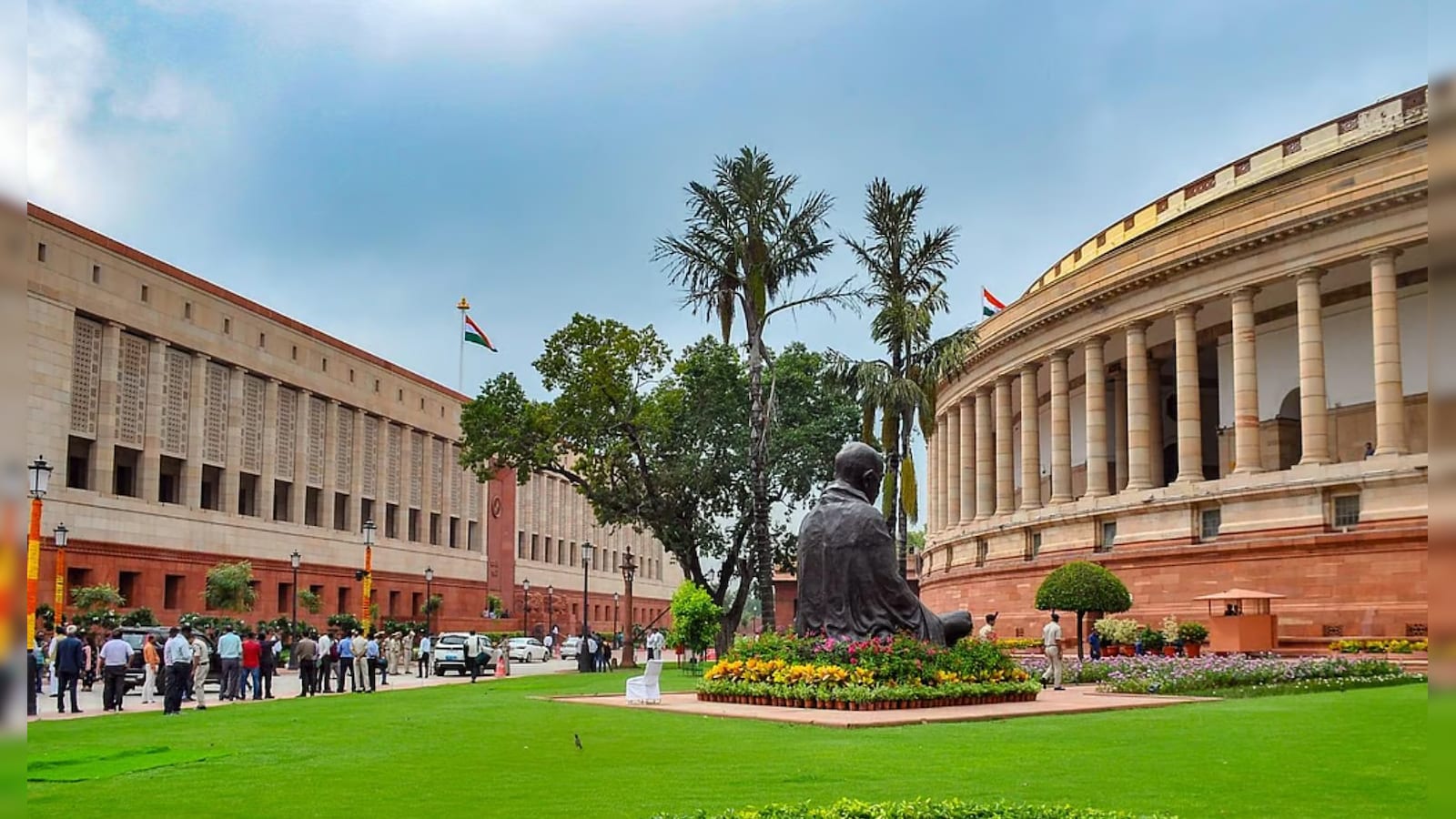
A group in India's Parliament has suggested creating a special organization to watch over cryptocurrencies.
This organization, called a Self-Regulatory Organisation (SRO), would work under the guidance of important financial bodies like the Reserve Bank of India (RBI) or the Securities and Exchange Board of India (SEBI).
The main goal is to protect investors and ensure that cryptocurrencies are regulated properly.
The RBI, however, has concerns about cryptocurrencies and thinks they could be risky.
The Parliament group also wants future laws to be fair to new technologies, so that tokenized securities on blockchain technology are still covered by existing rules.
This proposal is seen as a positive step by some experts in the digital asset field.

A Parliamentary Standing Committee on Finance recommends a Self-Regulatory Organisation (SRO) to oversee the crypto industry.
The SRO would function under the supervision of the RBI or SEBI, focusing on investor protection.
The committee urges the government to examine the need for a statutory framework covering cryptocurrencies, NFTs, and DeFi tokens.
Future securities law should remain technology-neutral to avoid regulatory loopholes.
The RBI has concerns about cryptocurrencies, including risks to financial stability and potential for illegal activities.
- Who
- Parliamentary Standing Committee on Finance, Reserve Bank of India (RBI)
- What
- Proposal for a Self-Regulatory Organisation (SRO) to oversee the crypto industry
- When
- Weeks after RBI raised concerns
- Where
- India
- Why
- To provide a regulatory framework for cryptocurrencies until a comprehensive law is in place
Pro-Crypto Regulation
Anti-Crypto Stance
Regulatory Framework
Pro-Crypto Regulation
A Self-Regulatory Organisation (SRO) should oversee the crypto industry until a comprehensive law is in place.
Anti-Crypto Stance
A ban on private cryptocurrencies remains one of the options under consideration.
Investor Protection
Pro-Crypto Regulation
The SRO should function under the supervision of a designated regulator like RBI or SEBI to protect investors.
Anti-Crypto Stance
Crypto assets pose risks to financial stability and could facilitate illegal activities.
Technology-Neutrality
Pro-Crypto Regulation
Future securities law should remain technology-neutral to avoid regulatory loopholes.
Anti-Crypto Stance
Crypto assets threaten monetary sovereignty and could undermine the financial system.
- Proposed Regulatory Body
- Self-Regulatory Organisation (SRO)
- Supervising Authorities
- Reserve Bank of India (RBI) or Securities and Exchange Board of India (SEBI)
- Key Concerns of RBI
- Financial stability, monetary sovereignty, money laundering, terror financing, tax evasion
- Scope of Future Law
- Cryptocurrencies, NFTs, DeFi tokens
- Technology-Neutrality
- Tokenised securities on blockchain to remain within securities regulations