

Archive · 19 May 2025
Hidden Antarctic Mountains Formed 500 Million Years Ago
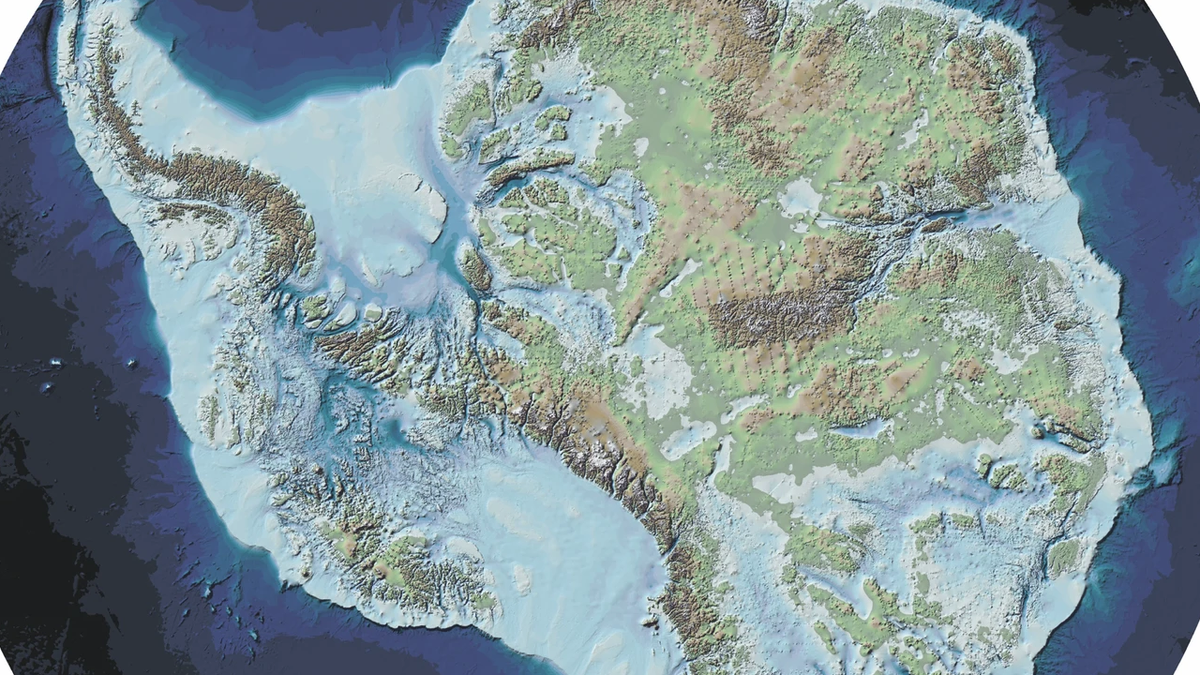
Imagine Antarctica with hidden mountains similar to the Alps!
These mountains, called the Gamburtsev Subglacial Mountains, formed over half a billion years ago when continents crashed together to make a giant landmass called Gondwana.
Scientists used tiny 'time capsules' called zircons to figure out when these mountains grew.
The mountains rose up, then partially collapsed, but were protected by ice.
Because of the ice, they are very well-preserved, and scientists continue to study them to learn more about how mountains and continents change over time.

The Gamburtsev Subglacial Mountains in Antarctica are similar in scale to the European Alps, hidden beneath kilometers of ice.
The mountains formed over 500 million years ago during the formation of the supercontinent Gondwana.
Scientists analyzed zircon grains from sandstones to determine the mountain building timeline.
The mountains began to rise around 650 million years ago, reaching Himalayan heights by 580 million years ago.
The Gamburtsev Mountains are exceptionally well-preserved due to being encased in ice.
- Who
- Scientists studying the Gamburtsev Subglacial Mountains
- What
- Discovery of the formation of the Gamburtsev Subglacial Mountains and the geological processes behind it.
- When
- Mountain formation began approximately 650 million years ago
- Where
- Beneath the East Antarctic ice sheet
- Why
- To understand how mountains and continents evolve, and the geological history of Antarctica.
- Mountain Range Name
- Gamburtsev Subglacial Mountains
- Location
- Beneath the East Antarctic ice sheet
- Formation Period
- Over 500 million years ago
- Formation Trigger
- Collision of tectonic plates during Gondwana formation
- Analysis Method
- Zircon grain analysis
- Preservation Factor
- Ice cover