

2 hrs ago
Houthis Push for Yemen Highlands Amid Reported Trump Strike Cancellation

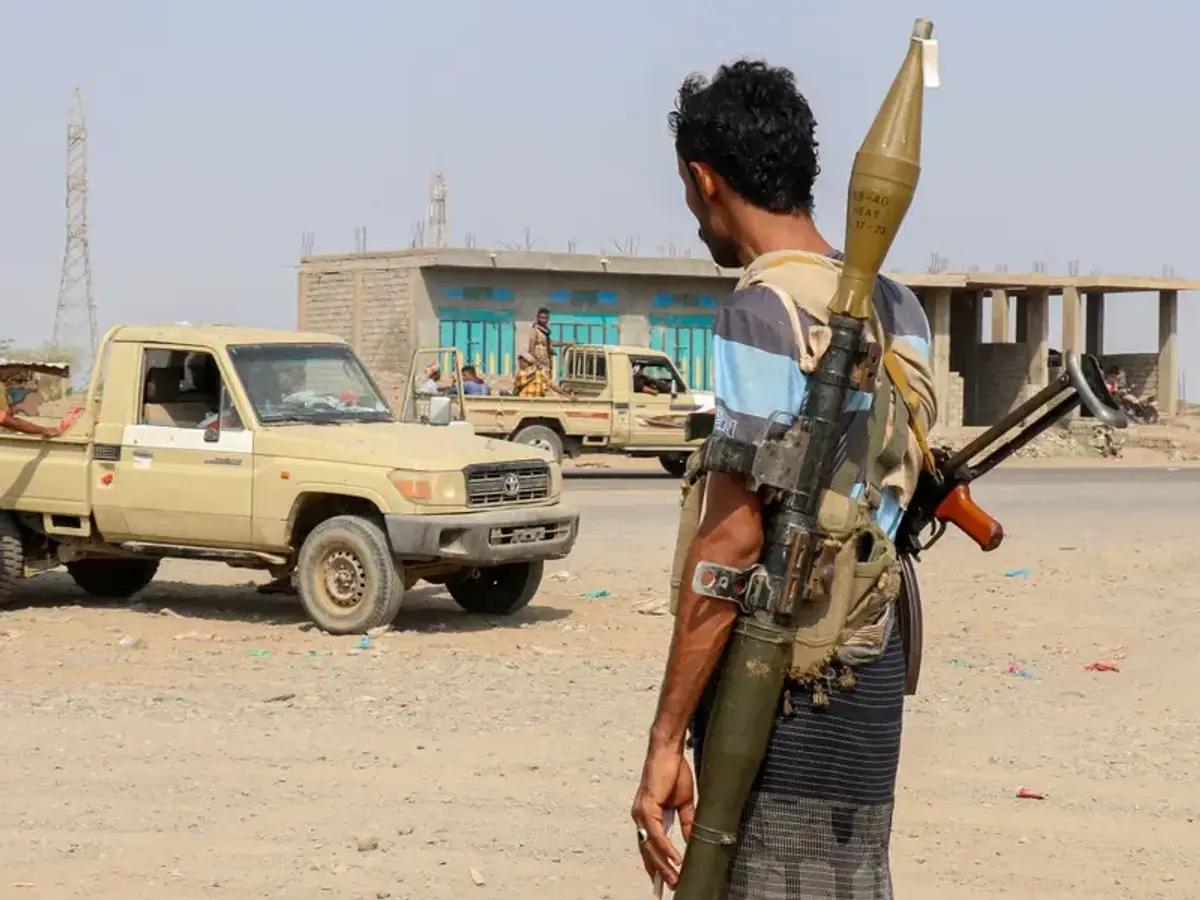
The Houthis are fighting to take important mountain areas in Yemen.
These mountains could help them control routes between the Red Sea coast and southern Yemen.
Saudi Arabia supports the forces fighting the Houthis and has carried out many airstrikes.
A report says Donald Trump decided not to launch new American airstrikes, but this has not been independently confirmed.
The fighting has killed nearly 700 people and forced many others from their homes.
Control of the Bab al-Mandab Strait could make it harder for Saudi Arabia to ship oil.
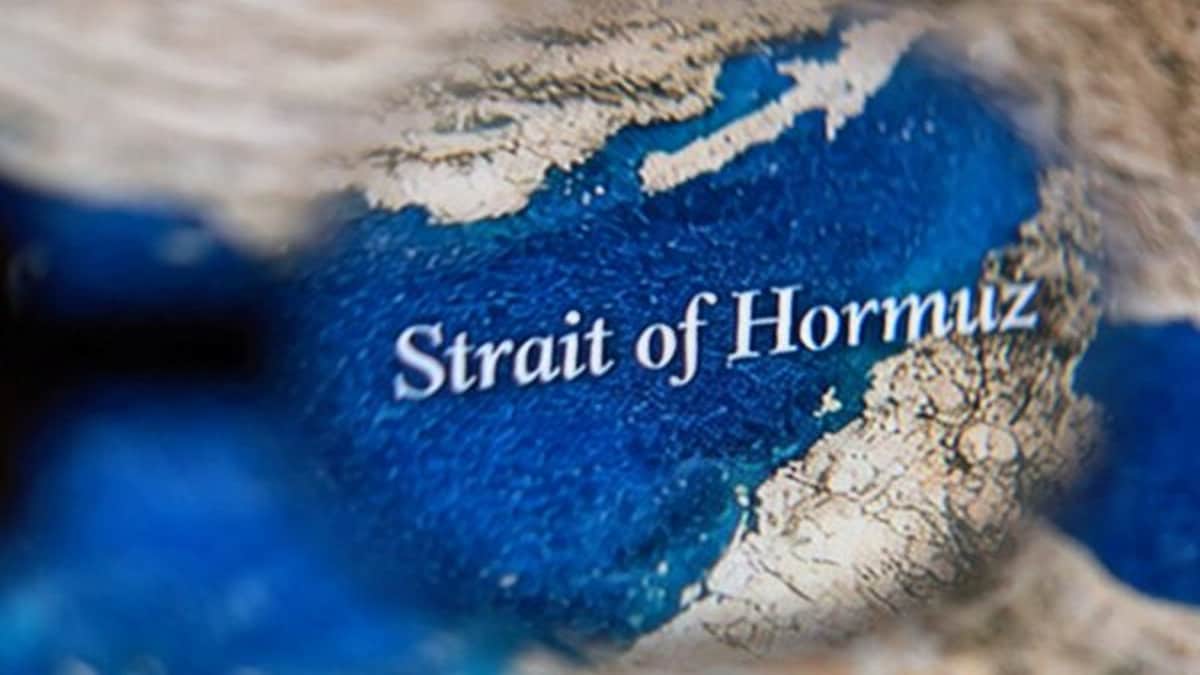
Saudi Arabia is sending more oil through the Strait of Hormuz instead.
The fighting has also contributed to high fuel prices and risks to ships.

Houthi fighters are seeking the Kahboub Mountains in Taiz and Lahij to separate the Red Sea coast from Saudi-backed government-held areas.
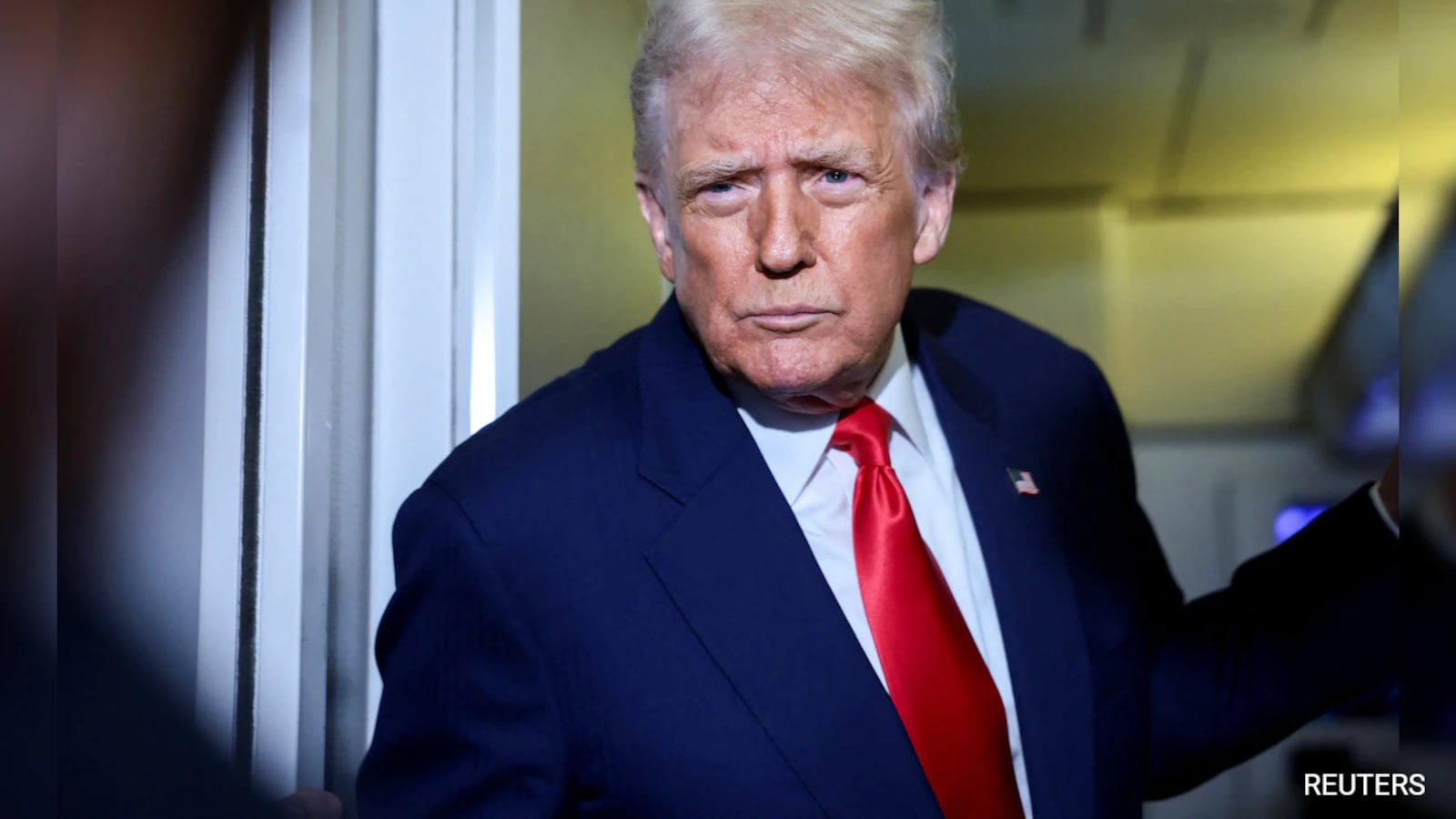
The New York Times reported that President Donald Trump canceled planned U.S. airstrikes against the Houthis at the last minute; Reuters could not verify the report.
The Houthis have advanced along Yemen’s Red Sea coast, while Saudi Arabia has conducted hundreds of reported strikes in the highlands.
The United Nations says nearly 700 people have been killed, more than 120,000 displaced inside Yemen, and thousands have fled by boat to Africa.
Saudi oil shipments through the Strait of Hormuz have risen to 2.9 million barrels per day as fighting threatens the Bab al-Mandab route.
- Who
- Houthi fighters, Saudi-backed Yemeni forces, Saudi Arabia, and the United States are central to the reported developments.
- What
- The Houthis are pushing to capture strategic highlands while Saudi Arabia conducts airstrikes and reportedly seeks greater U.S. involvement.
- Where
- The fighting is concentrated in Yemen’s Taiz and Lahij provinces, including the Kahboub Mountains, Al-Wazi’iyah, Ras al-Ara, and areas near the Bab al-Mandab Strait.
- When
- The advance and escalation occurred in September; the report about planned U.S. strikes concerned Sunday, with developments reported on Monday, September 21.
- Why
- The Houthis seek to protect their positions near the Bab al-Mandab Strait and open new fronts, while Saudi Arabia is trying to defend allied forces and maintain oil-export routes.
Houthi strategic advance
Saudi-backed resistance and U.S. restraint
Control of Yemen’s territory
Houthi strategic advance
The Houthis are seeking the Kahboub Mountains to secure their rear near the Bab al-Mandab Strait, protect captured positions, and open new fronts.
Saudi-backed resistance and U.S. restraint
Saudi-backed government forces are holding areas in southern Yemen, while Saudi Arabia is conducting airstrikes against Houthi positions to slow the advance.
Possible U.S. military involvement
Houthi strategic advance
The reported cancellation of U.S. airstrikes means the Houthis have not faced a newly confirmed direct American attack in this escalation.
Saudi-backed resistance and U.S. restraint
Saudi Arabia’s crown prince has repeatedly urged Washington to join the fight, while the Trump administration has reportedly avoided expanding the war.
Effect on shipping and energy
Houthi strategic advance
Houthi control of the Bab al-Mandab Strait threatens a major alternative route for Saudi oil exports.
Saudi-backed resistance and U.S. restraint
Saudi Arabia is redirecting more shipments through the Strait of Hormuz, despite higher risks, fees, and a reported attack on a vessel.
Key facts
- Reported U.S. action
- The New York Times reported that Donald Trump called off planned airstrikes against the Houthis at the last minute; Reuters could not verify the report.
- Strategic area
- The Houthis are seeking the Kahboub Mountains in Taiz and Lahij provinces.
- Humanitarian toll
- The United Nations reported nearly 700 deaths, thousands injured, and more than 120,000 people displaced within Yemen.
- Saudi oil shipments
- Exports through the Strait of Hormuz reached 2.9 million barrels per day, compared with 700,000 in August, according to satellite data.
- Oil prices
- Crude oil prices moved closer to $100 per barrel after approaching $110 the previous week.
- U.S. diesel price
- The U.S. retail diesel price rose above $6.51 per gallon, compared with about $3.75 before the February war.
- Maritime incident
- The United Kingdom Maritime Trade Operations agency reported that a ship entering the Strait of Hormuz was hit by a projectile, causing minor crew injuries.
Sources
Related news

MBS Asked Trump Twice for Houthi Strikes; Trump Declined

Houthis Claim Saudi Strikes Amid Yemen Conflict Escalation
Trump Says Houthis Asked U.S. Not to Intervene
Houthi Advances Leave US and Saudi Arabia Without Counteroffensive Plan

Houthi Attacks Injure 13 as Hormuz Talks Stall
Houthis Near Control of Strategic Bab el-Mandeb Strait
US Visa Denials Split Iranian Delegation Before UN Address

Indian Refiners Weigh Cutting Russian Crude Purchases Amid US Sanctions
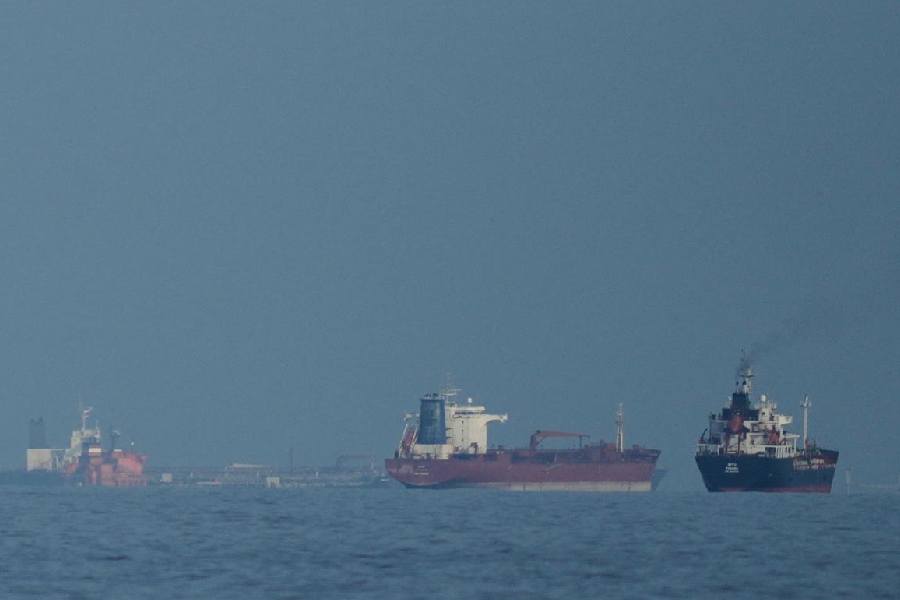
Tanker Struck in Strait of Hormuz as Israel Remains Alert

US Stock Futures Rise as Oil Falls Before Trump-Xi Summit
