Archive · 11 Nov 2025
China Launches K-Visa as Alternative to US H-1B Amid Tech Talent Competition

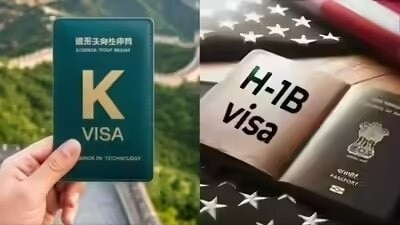
China has created a new visa called the K-visa to invite skilled workers in science and technology from around the world to come and work there.
They hope this will help them become leaders in areas like artificial intelligence and computer chips.
This is happening at a time when it's become harder for people to get a similar visa, like the H-1B, to work in the United States.
Some people see this new Chinese visa as a good opportunity for them to work in a new country.
However, some young people in China are worried that these new foreign workers might take jobs away from them, especially since many young Chinese people are already looking for work.
Experts also believe that even with this new visa, many talented people might still prefer to go to the US or other Western countries because they have well-known tech industries and are more familiar places to live.

China has introduced a new K-visa program designed to attract global science and technology professionals.
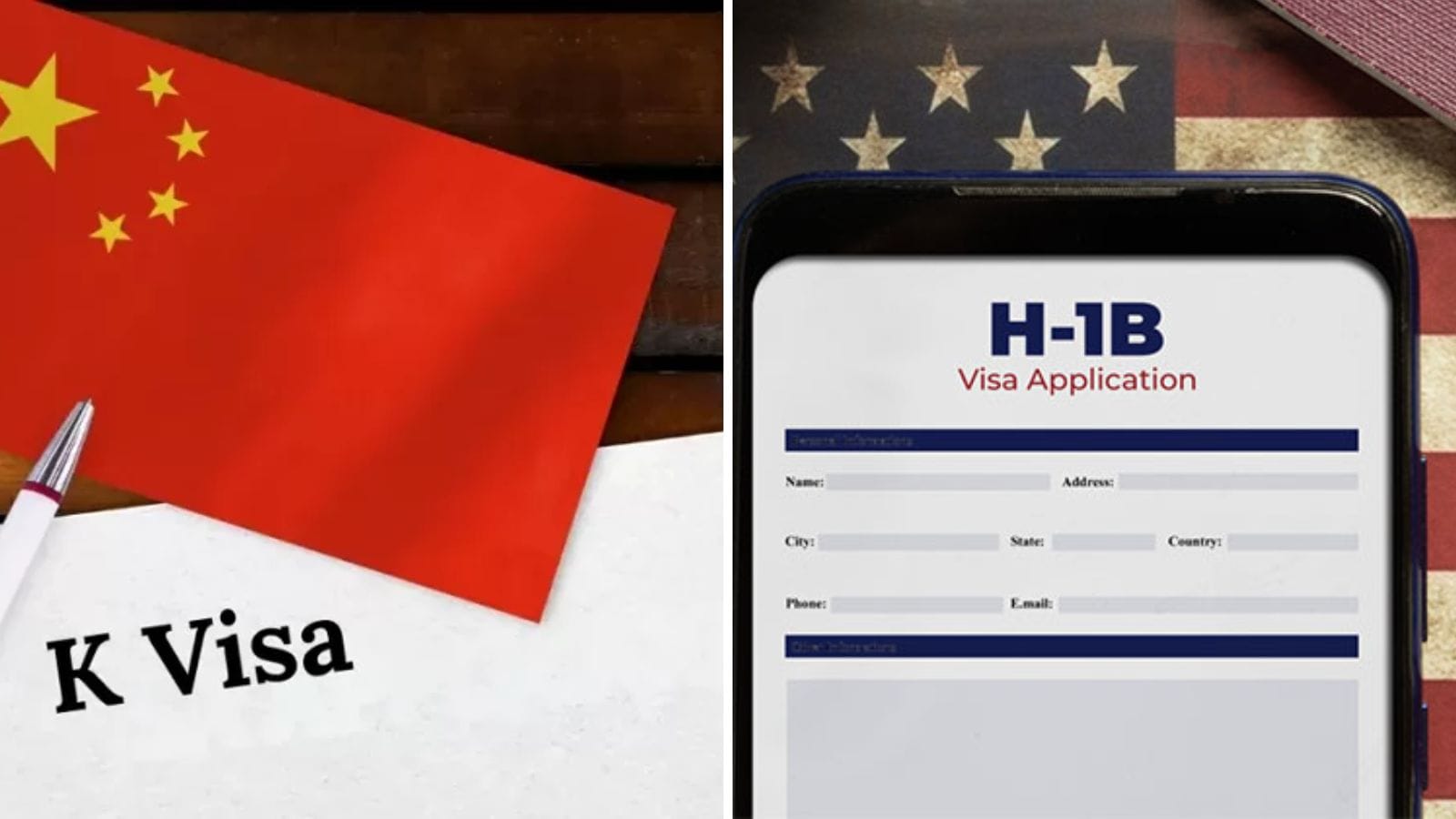
The K-visa is positioned as a direct alternative to the US H-1B visa, especially amid increasing restrictions on the latter.
China aims to leverage foreign expertise to advance its national priorities in artificial intelligence, semiconductors, and robotics.
A key feature of the new K-visa program is the removal of the requirement for a job offer before an applicant can apply.
Despite China's efforts, challenges such as language barriers and internet censorship may still lead professionals to prefer Western nations.
Concerns exist within China about increased job competition for local graduates due to the influx of foreign professionals.
- Who
- China, global science and technology professionals, US immigration policymakers
- What
- China has launched a new K-visa program to attract skilled foreign workers, positioning it as an alternative to the US H-1B visa.
- When
- Rolled out last month (relative to the article's publication)
- Where
- China (launching visa), United States (competing policies)
- Why
- To attract foreign talent, particularly in AI, semiconductors, and robotics, and to capitalize on perceived increasing restrictions for the US H-1B visa.
Concerns About Job Competition and International Appeal
China's Strategic Bid for Global Tech Expertise
Talent Attraction and Preferred Destinations
Concerns About Job Competition and International Appeal
Analysts suggest that Western nations, including the US, still hold a decisive edge in attracting top talent due to more established tech ecosystems and potentially clearer residency pathways. Concerns remain regarding China's language barriers and internet censorship.
China's Strategic Bid for Global Tech Expertise
China's K-visa is positioned as a strategic move to capitalize on perceived tightening US immigration policies, aiming to attract skilled foreign professionals and support its national objectives in AI, semiconductors, and robotics.
Impact on Local Job Market and Economic Benefits
Concerns About Job Competition and International Appeal
High unemployment among young Chinese graduates raises concerns that an influx of foreign professionals could intensify job competition, with some fearing it could lead to job displacement.
China's Strategic Bid for Global Tech Expertise
Chinese state media argues that foreign specialists are crucial for closing the nation's skills gap in frontier technology and that their presence will ultimately benefit the economy by creating new jobs.
- New Visa Program
- K-visa
- Target Professionals
- Skilled professionals in science and technology
- US Visa Comparison
- H-1B visa
- Application Requirement
- Job offer not required upfront
- China's Focus Areas
- Artificial intelligence, semiconductors, robotics
- US H-1B Application Fees (Surge)
- $100,000
Sources
China Creates New Visa Competing With The US In Wooing Global Tech Talent
K-Visa, China's Competition To The US In Wooing Global Tech Talent
‘K-Visa equivalent to H-1B’: Indian tech talent eyes China as new visa open doors amid rising US barriers
China unveils new K-visa to woo skilled foreign workers, rival US H-1B