

Archive · 25 Jul 2026
Delhi High Court Establishes Fast-Track Court for Exam Paper Leak Cases
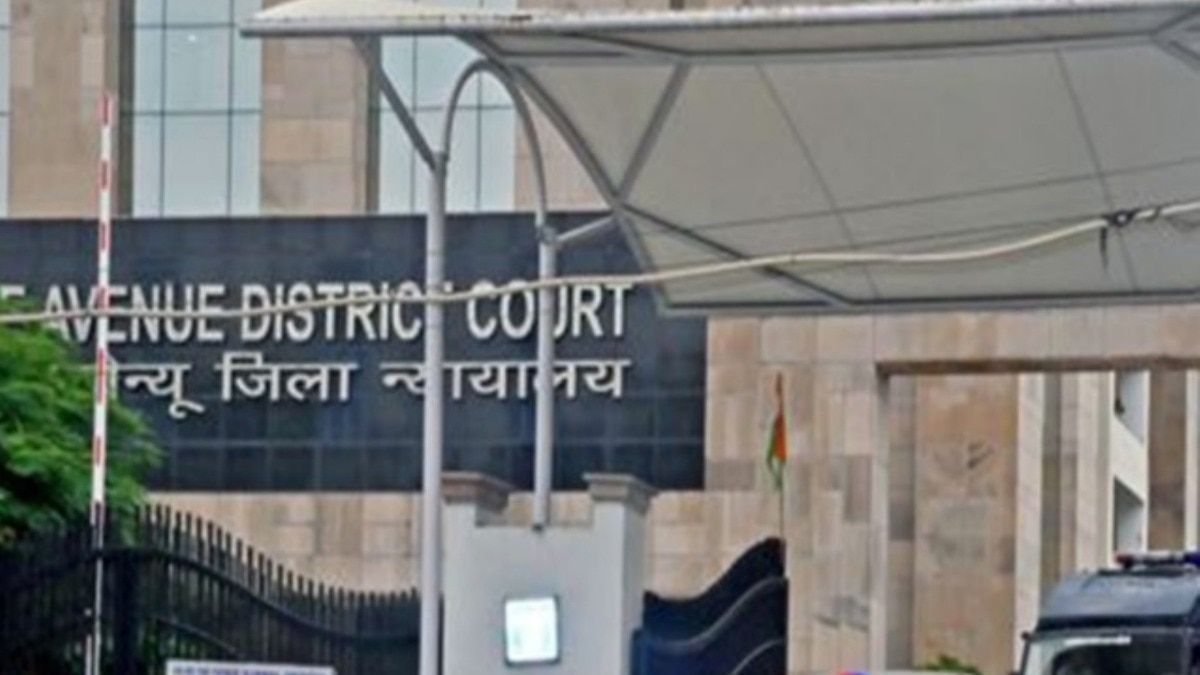
The Delhi High Court has set up a fast-track court to handle cases related to exam paper leaks.
These special courts are designed to process cases more quickly than regular courts, especially for serious crimes and cases involving vulnerable groups like women and children.
There are different types of fast-track courts, including those specifically for rape and child sexual abuse cases.
While these courts dispose of cases much faster, there are still many pending cases due to new ones being filed continuously.
The government has allocated significant funds to support these courts, but challenges like infrastructure and witness availability can cause delays.

Delhi High Court established a fast-track court for exam paper leak cases.
Fast-track courts dispose of cases three times faster than regular courts.
There are 725 Fast Track Special Courts, including 392 exclusive POCSO courts.
The government has allocated ₹1,952.23 crore for these courts, with ₹1,207.24 crore from the Nirbhaya Fund.
Despite faster disposal rates, over 2.4 lakh cases remained pending in FTSCs by the end of 2023.
- Who
- Delhi High Court, Prime Minister Narendra Modi, Cockroach Janta Party (CJP)
- What
- Establishment of a fast-track court to hear exam paper leak cases
- When
- Friday (specific date not mentioned)
- Where
- Delhi, India
- Why
- To speed up the disposal of cases and address protests over exam paper leaks
Proponents of Fast-Track Courts
Critics of Fast-Track Courts
Effectiveness in Reducing Pendency
Proponents of Fast-Track Courts
Fast-track courts significantly reduce case backlog by disposing of cases three times faster than regular courts.
Critics of Fast-Track Courts
Despite faster disposal rates, pendency remains high as new cases continue to outnumber disposals.
Specialization and Focus
Proponents of Fast-Track Courts
Specialized fast-track courts, such as those for rape and POCSO cases, ensure quicker justice for vulnerable groups.
Critics of Fast-Track Courts
Critics argue that the creation of special courts for individual cases can be arbitrary and may violate constitutional principles of equality.
- Number of Fast Track Special Courts
- 725
- Number of POCSO Courts
- 392
- Cases Disposed by FTSCs
- 3,34,213
- Funding for FTSCs
- ₹1,952.23 crore
- Central Share from Nirbhaya Fund
- ₹1,207.24 crore
- Average Disposal per FTSC per Month
- 9.51 cases
- Average Disposal per Regular Trial Court per Month
- 3.26 cases
- Pending Cases in FTSCs by End of 2023
- 2.4 lakh