

Archive · 1 Jan 2026
Animals That Die After Mating: Evolutionary Logic Explained
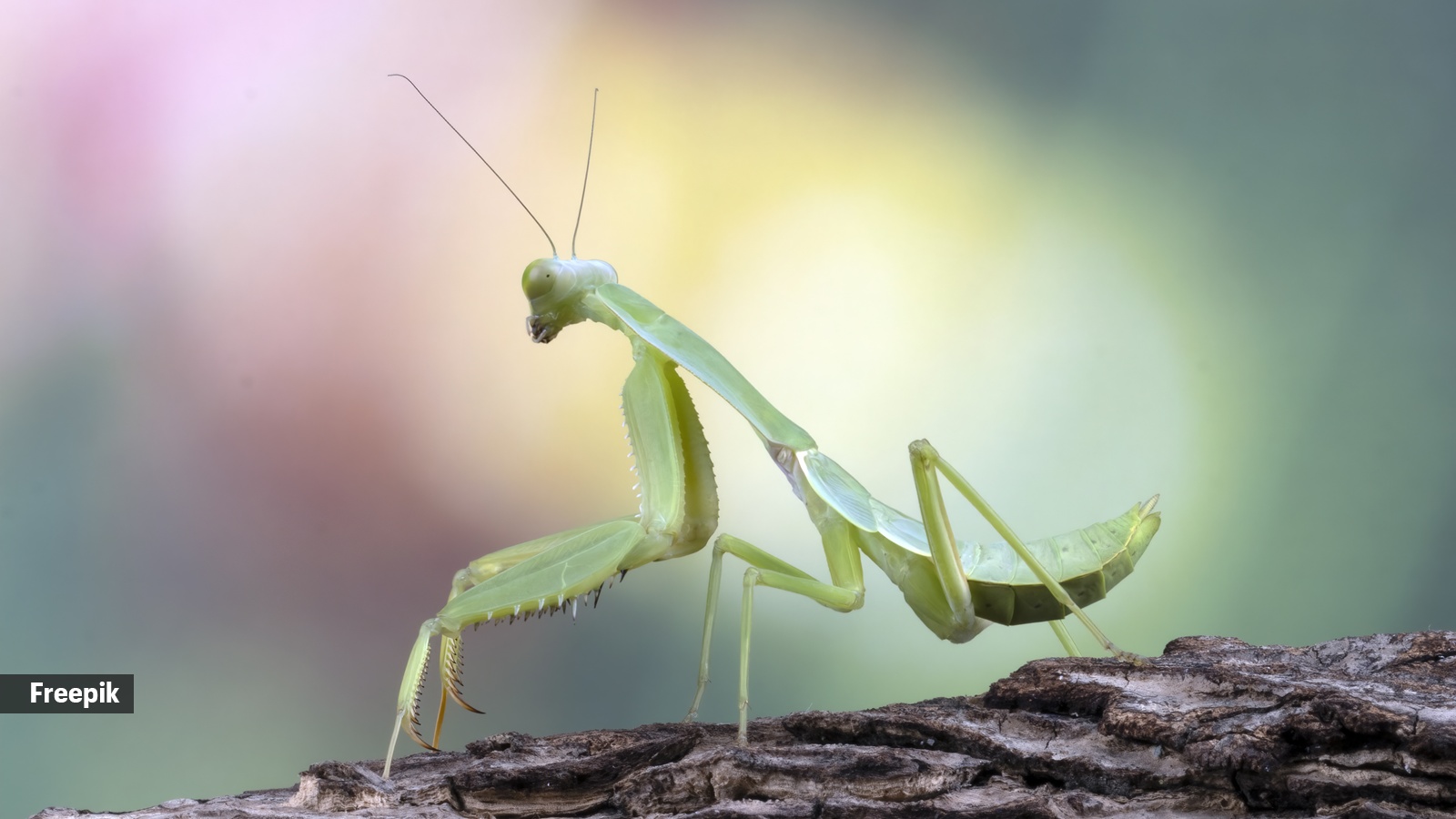
Some animals die after mating because it helps their babies survive.
For example, male antechinus die from stress after mating, praying mantis males are sometimes eaten by females, and certain octopuses die due to biological changes.
This happens because these animals only get one chance to have babies, and it's more important for their genes to live on than for them to stay alive.
Things like competition and rare mating opportunities make this behavior more common.
Even though the animals die, their babies have a better chance of surviving, which is what evolution cares about.

Male antechinus die within weeks of mating due to stress hormones and organ failure.
Praying mantis males are sometimes cannibalized by females for nutritional benefits.
Certain octopus species die due to programmed biological decline after mating.
Evolution favors these strategies because they maximize reproductive output in a single opportunity.
Environmental and social factors, such as competition and rare mating opportunities, contribute to these behaviors.
- Who
- Male antechinus, praying mantises, certain octopus species
- What
- Animals that die during or immediately after mating
- When
- During the breeding season or after mating
- Where
- Various environments, including Australia and deep-sea habitats
- Why
- To maximize reproductive output and ensure the survival of offspring
- Species Examples
- Male antechinus, praying mantises, certain octopus species
- Male Antechinus
- Die within weeks due to stress hormones and organ failure
- Praying Mantises
- Males sometimes cannibalized by females for nutritional benefit
- Octopus Species
- Males and females die due to programmed biological decline
- Evolutionary Reason
- Maximizing reproductive output in a single opportunity
- Environmental Factors
- Predation, climate instability, short lifespans, rare mating opportunities
- Social Factors
- Intense competition, skewed sex ratios, seasonal breeding constraints
- Expert
- Dr. Deepraj Prajapati, senior veterinarian at RD Pet Hospital