

Archive · 6 Oct 2026
Uttar Pradesh Politics Pits Caste Mobilisation Against Rule of Law
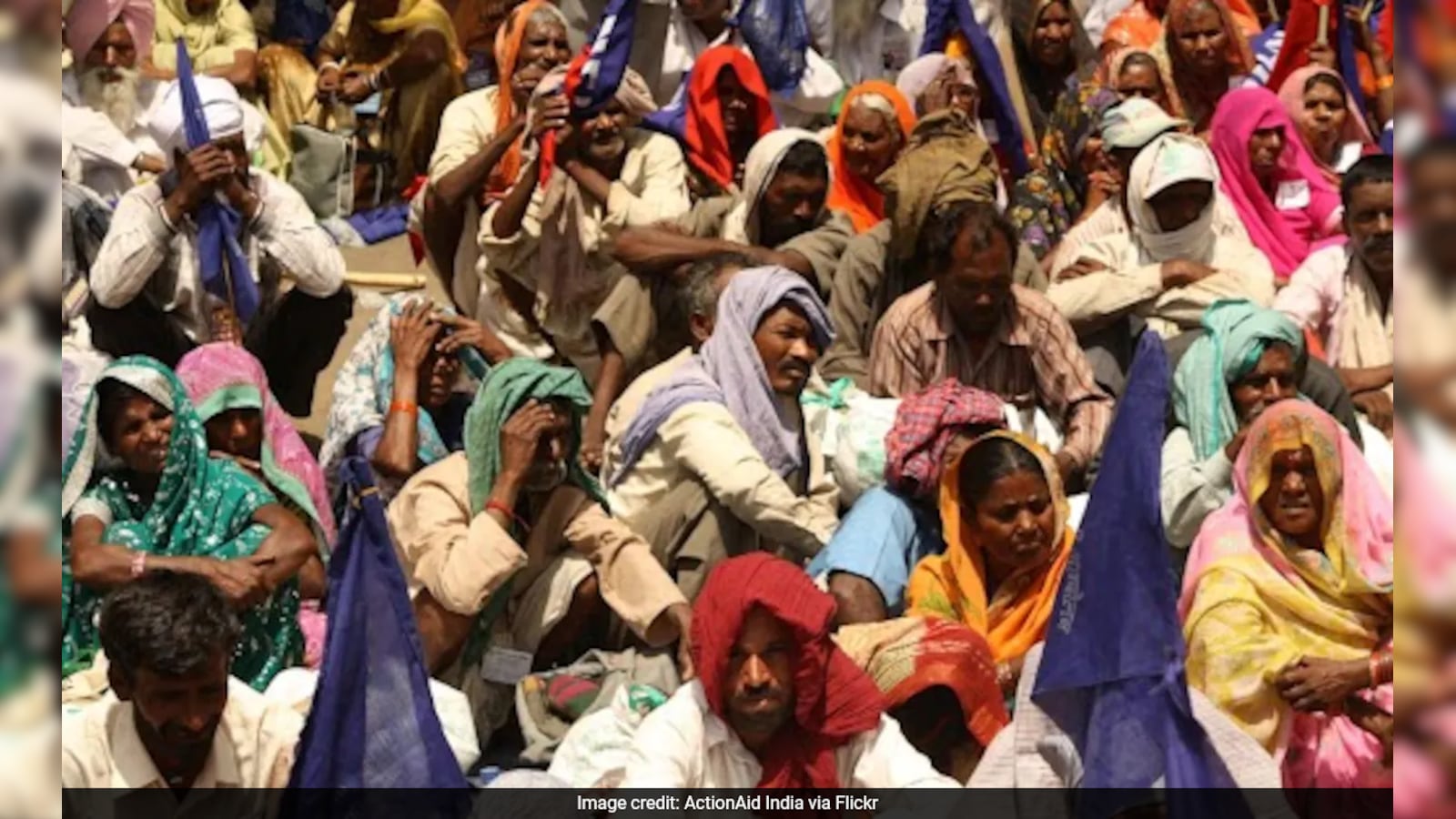
This opinion article is about two different ideas for governing Uttar Pradesh.
One idea focuses on bringing people together through caste groups and their concerns.
The other, as the author describes it, focuses on applying the law and providing services regardless of caste.
The author says that earlier governments allowed caste to influence some police appointments.
The article also says the current government has taken action against some people connected to its own party.
It claims that welfare benefits are meant to go to people based on need.
The author points to digital hiring and recruitment figures as evidence of fairer processes.
These are the author's arguments, not a report comparing both sides independently.

The opinion piece contrasts Akhilesh Yadav's PDA politics with Yogi Adityanath's governance approach.
The author characterizes PDA as a coalition of Backwards, Dalits and Minorities built around caste-based concerns.
Citing June 2014 figures, the piece says Yadavs held 72.7% of police station-head posts in Badayun and 55.5% in Kannauj.
The author says the current government has taken action against political figures across caste lines and bases action on the alleged crime.
The article cites over 9.5 lakh appointments under Mission Rozgar and says OBC, SC and ST candidates received over 60% of state recruitments since 2017.
- Who
- The article compares the political approaches of Uttar Pradesh Chief Minister Yogi Adityanath and opposition leader Akhilesh Yadav.
- What
- It argues that Uttar Pradesh politics is shifting between caste-based mobilisation and governance framed around rule of law and universal welfare.
- When
- The article looks ahead to assembly elections expected early next year and cites administrative data from 2014 and since 2017.
- Where
- Uttar Pradesh, India.
- Why
- The author argues that competing ideas about caste, policing, welfare and public recruitment will shape political mobilisation and governance.
Caste-based representation
Rule-based governance
Political mobilisation
Caste-based representation
The article says Akhilesh Yadav's PDA approach seeks to bring Backwards, Dalits and Minorities together, and frames the strategy as relying on caste-based grievances.
Rule-based governance
The author presents Yogi Adityanath's approach as emphasizing security, welfare delivery and governance independent of identity.
Policing and accountability
Caste-based representation
The author alleges that during the previous Samajwadi Party government, caste influence in police postings contributed to selective protection and uneven law enforcement.
Rule-based governance
The article argues that the current government applies the law across caste and political lines, citing action against people affiliated with the ruling party.
Welfare and public employment
Caste-based representation
The article characterizes the opposition's position as treating caste-based allocation of resources as central to social justice.
Rule-based governance
The author says the current administration emphasizes eligibility-based welfare and recruitment processes intended to limit bias and patronage.
- Political context
- The opinion piece discusses Uttar Pradesh politics ahead of assembly elections expected early next year.
- PDA
- The article expands the acronym as Backwards, Dalits and Minorities.
- Police postings
- It cites June 2014 state data saying Yadavs held 72.7% of police station-head posts in Badayun and 55.5% in Kannauj.
- Recruitment
- The author says more than 9.5 lakh government appointments were processed through digitized workflows under Mission Rozgar.
- Recruitment representation
- The article says OBC, SC and ST candidates secured over 60% of state recruitments since 2017.
- OBC mapping
- The author says the government began an exercise examining representation of 79 OBC sub-castes in government jobs over a decade.
- Article type
- Opinion article; the author describes the views as personal opinions.