

Archive · 9 Nov 2025
Supreme Court Weighs Trump's Tariff Authority Amid Legal Challenges
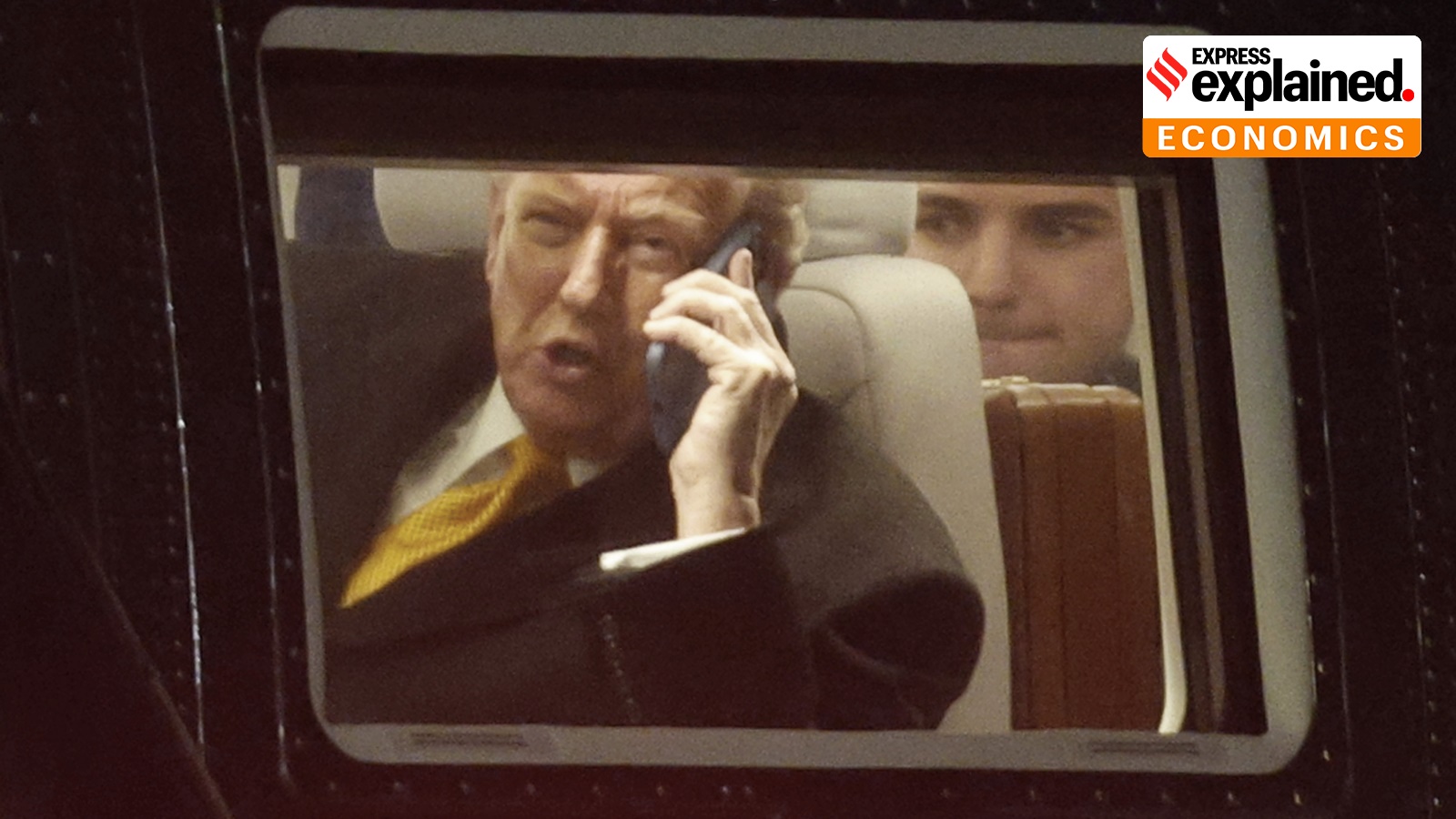
Imagine the President is like a principal at school, and Congress is like the school board.
The principal has some special powers for emergencies, but the school board is usually the one in charge of making rules about money, like collecting lunch money or fees.
The President used his special emergency powers to put extra fees, called tariffs, on things coming into the country.
Some businesses and states are saying this isn't fair because only the school board (Congress) should be able to make people pay extra money.
The judges at the Supreme Court, who are like the ultimate referees, are listening to both sides.
They are trying to figure out if the President was allowed to do this or if he went too far and broke the school's money rules.
If the President loses, it could mean people get their extra fees back, and it might change how the US trades with other countries.

The US Supreme Court heard arguments on the legality of President Trump's use of emergency tariffs.
Challengers argue that tariffs are taxes and that the President has overstepped his authority, usurping Congress's power.
The Trump administration defends the tariffs, asserting they fall under presidential emergency powers granted by the International Emergency Economic Powers Act (IEEPA).
Most Supreme Court justices appeared skeptical of the administration's arguments, raising questions about executive overreach.
If the tariffs are struck down, it could lead to significant refunds for importers and impact international trade deals.
- Who
- The US Supreme Court, President Donald Trump, small businesses, American states, and US solicitor-general John Sauer.
- What
- The Supreme Court heard oral arguments regarding the legality of President Trump's use of emergency tariffs, challenging whether the president overstepped his authority.
- When
- Oral arguments were heard, and a decision is expected in the coming weeks or months.
- Where
- The US Supreme Court.
- Why
- The case questions whether the president's invocation of the International Emergency Economic Powers Act (IEEPA) to impose tariffs is constitutional and if tariffs constitute taxes that only Congress can levy.
Challengers (Businesses and States)
Trump Administration
Tariffs as Taxes
Challengers (Businesses and States)
Tariffs are taxes, and under the Constitution, the power to impose taxes rests solely with Congress. Trump has effectively bypassed Congress, imposing a significant tax increase.
Trump Administration
The International Emergency Economic Powers Act (IEEPA) grants the President broad emergency powers to regulate imports, which includes the authority to levy tariffs.
Legality of IEEPA Justification
Challengers (Businesses and States)
The justifications cited for invoking IEEPA, such as the fentanyl crisis and trade deficits, do not constitute genuine emergencies, suggesting executive overreach.
Trump Administration
The fentanyl crisis and trade deficits are significant issues that warrant emergency action under IEEPA, which confers major powers to the President in foreign affairs.
Congressional Authority
Challengers (Businesses and States)
The President has overstepped his authority by imposing tariffs, as Congress holds the exclusive right to tax. The 'major-questions doctrine' requires explicit Congressional authorization for actions of significant economic or political importance.
Trump Administration
The President is the primary actor in foreign affairs, and IEEPA provides him with the necessary powers to address national economic and security concerns through tariffs.
- Case Name
- Learning Resources v. Trump
- Challenging Authority
- International Emergency Economic Powers Act (IEEPA)
- Arguments Against Tariffs
- Tariffs are taxes, executive overreach, lack of clear Congressional delegation for broad tariff powers.
- Arguments For Tariffs
- IEEPA grants presidential emergency powers in foreign affairs.
- Lower Court Rulings
- Three lower courts have ruled against the Trump administration on this issue.
- Potential Refund Amount
- $100 billion to US importers if tariffs are invalidated.
- Total Tariff Collections (Est.)
- $108 billion by end of October.