

Archive · 12 Aug 2025
Dark Store Expansion in Quick Commerce Hurts Delivery Rider Pay
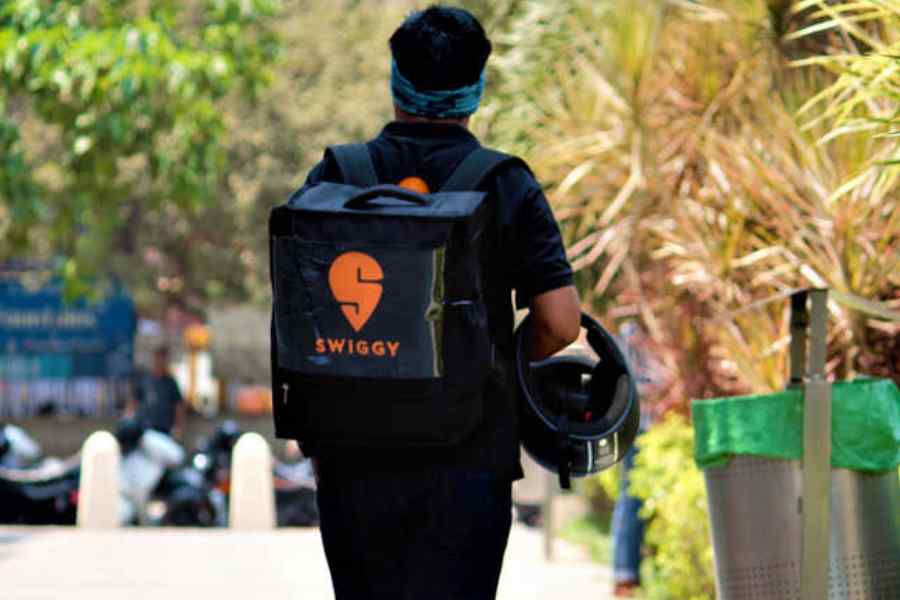
Quick commerce companies are building lots of small warehouses (dark stores) to deliver things fast.
This is making delivery trips shorter, but delivery workers are getting paid less because they earn less per trip.
Also, they are taking more time due to multiple stops.
Many workers are quitting because the pay is low.
Companies are trying to figure out how to pay workers better so they will stay.

Quick commerce companies are expanding dark stores to speed up deliveries.
Shorter trips from increased store density are reducing delivery workers' pay.
Delivery workers face multiple stops per order, increasing time spent working.
Attrition rates for delivery workers have increased in major cities.
Companies are exploring ways to adjust pay structures to address worker dissatisfaction.
- Who
- Delivery workers for companies like Instamart, Blinkit, and Zepto.
- What
- Impact of dark store expansion on quick commerce delivery workers' pay and working conditions.
- When
- Recent months.
- Where
- Major metro cities in India.
- Why
- To examine how the quick commerce model affects delivery workers.
Delivery Workers
Quick Commerce Companies
Pay vs. Workload
Delivery Workers
Shorter trips and multiple stops mean less pay for more work.
Quick Commerce Companies
Quick commerce companies are focused on efficiency and cost-saving.
- Instamart Dark Stores Added (FY25)
- 498
- Blinkit Store Count (FY25)
- 1,301
- Average Metro Trip Length Reduction
- 20-30%
- Delivery Worker Attrition
- Up to 30% in some cities
- Worker Tenure (Before)
- 4-6 months
- Worker Tenure (Now)
- 3-4 months
