

Archive · 27 May 2025
Scientists Discover Bacteria that 'Breathe' Electricity
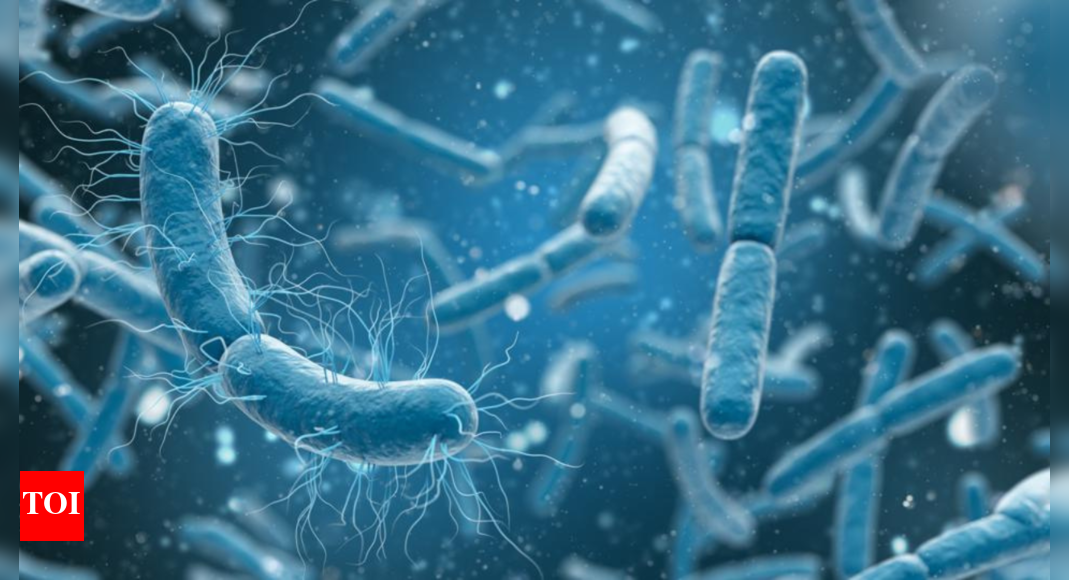
Scientists have found a new type of bacteria that can breathe electricity instead of oxygen.
These bacteria release electrons to survive in places without oxygen, like deep-sea vents.
They use special molecules called naphthoquinones to move electrons outside their cells.
The bacteria can then generate energy and grow on conductive surfaces.
This discovery could lead to advances in clean energy and sensors.
These electricity-breathing bacteria may help stabilize industrial systems, detect pollution, and assist in space missions.

Scientists discovered bacteria that 'breathe' electricity, surviving without oxygen.
The bacteria use extracellular respiration, releasing electrons outside their cells.
Naphthoquinones facilitate electricity release by acting as electron couriers.
Experiments confirmed the bacteria's ability to generate electricity on conductive surfaces.
Potential applications include wastewater treatment, bio-sensors, and space exploration.
- Who
- Scientists from Rice University and University of California, San Diego.
- What
- A newly discovered bacteria that uses electricity.
- When
- Not explicitly stated in articles.
- Where
- Deep-sea vents, the human gut, and laboratory settings.
- Why
- To generate energy in oxygen-free environments.
- Discovery
- Bacteria that breathe electricity.
- Method
- Extracellular respiration using naphthoquinones.
- Environment
- Oxygen-free environments (deep-sea vents, gut).
- Potential Applications
- Clean energy, sensors, space exploration, and wastewater treatment.