

Archive · 29 Sep 2026
California Formally Recognizes Eid Holidays Under New State Law
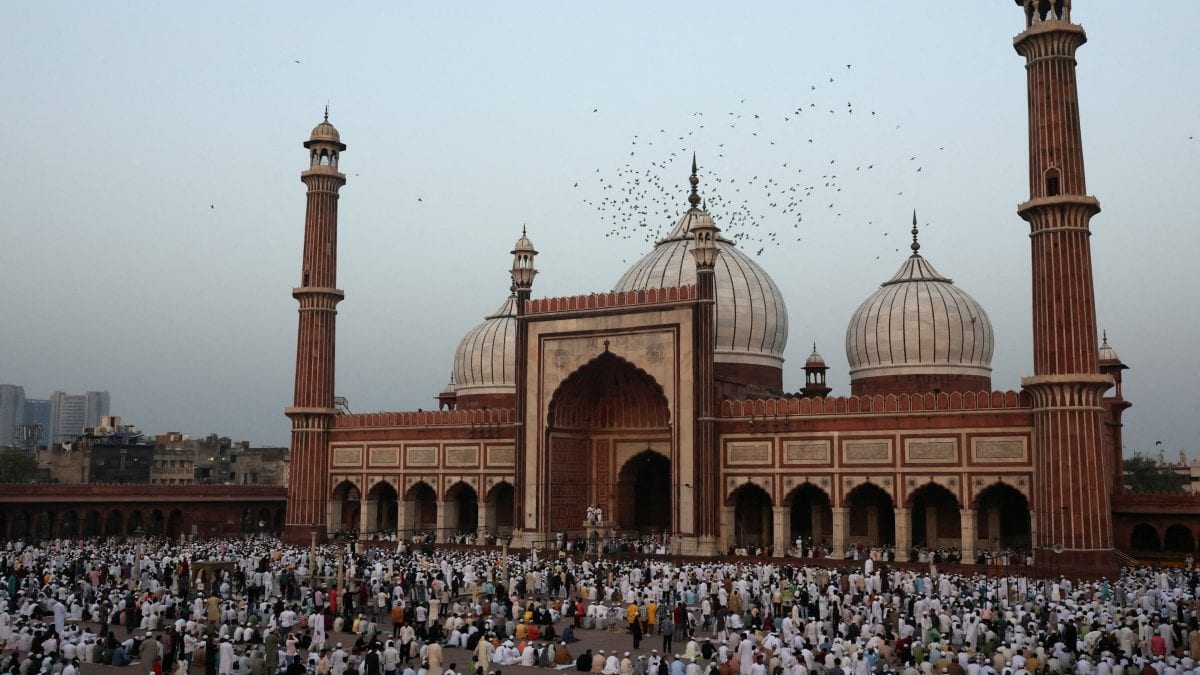
California has added two important Muslim festivals to its official state holiday list.
The festivals are Eid ul Fitr and Eid ul Azha.
Governor Gavin Newsom signed the bill that makes this possible.
Workers can use leave they already have to observe the holidays.
Schools and community colleges may close if local agreements allow it.
The law does not give every worker two extra paid days off.
Muslim advocacy groups said the change will make it easier for students and employees to practice their faith.
Eid ul Fitr comes after the month of fasting called Ramzan, while Eid ul Azha occurs later in the Islamic calendar.

Governor Gavin Newsom signed Assembly Bill 2017, adding Eid ul Fitr and Eid ul Azha to California’s state holiday list.
State and school employees may use existing personal holiday credits or other available leave to observe Eid.
The law does not provide two new mandatory paid holidays for all workers.
K-12 schools and community colleges may close for Eid through locally negotiated arrangements.
CAIR-CA welcomed the law as a step toward religious inclusion amid reported concerns about hostility targeting Islamic institutions.
- Who
- California Governor Gavin Newsom signed Assembly Bill 2017, authored by Assemblymember Matt Haney, with support from the Council on American-Islamic Relations California chapter.
- What
- California formally recognized Eid ul Fitr and Eid ul Azha as state holidays and created options for leave and locally agreed school closures.
- Where
- California.
- Why
- The legislation aims to help Muslim students and employees observe the festivals without facing conflicts with school or work obligations and to support religious inclusion.
- Legislation
- Assembly Bill 2017 (AB 2017)
- Signed by
- Governor Gavin Newsom
- Festivals recognized
- Eid ul Fitr and Eid ul Azha
- Employee provisions
- Eligible state and public school employees may use personal holiday credit, vacation, compensating time off, or annual leave.
- School provisions
- K-12 schools and community colleges may close under locally negotiated arrangements.
- Mandatory paid leave
- The law does not create two new mandatory paid days off for all workers.
- Reported incidents
- CAIR reported a 183 percent increase in incidents targeting mosques and Islamic centers from May through July compared with the same period a year earlier.