

Archive · 23 Sep 2026
Stopping GLP-1 Drugs Linked to Rising Cardiovascular Risk
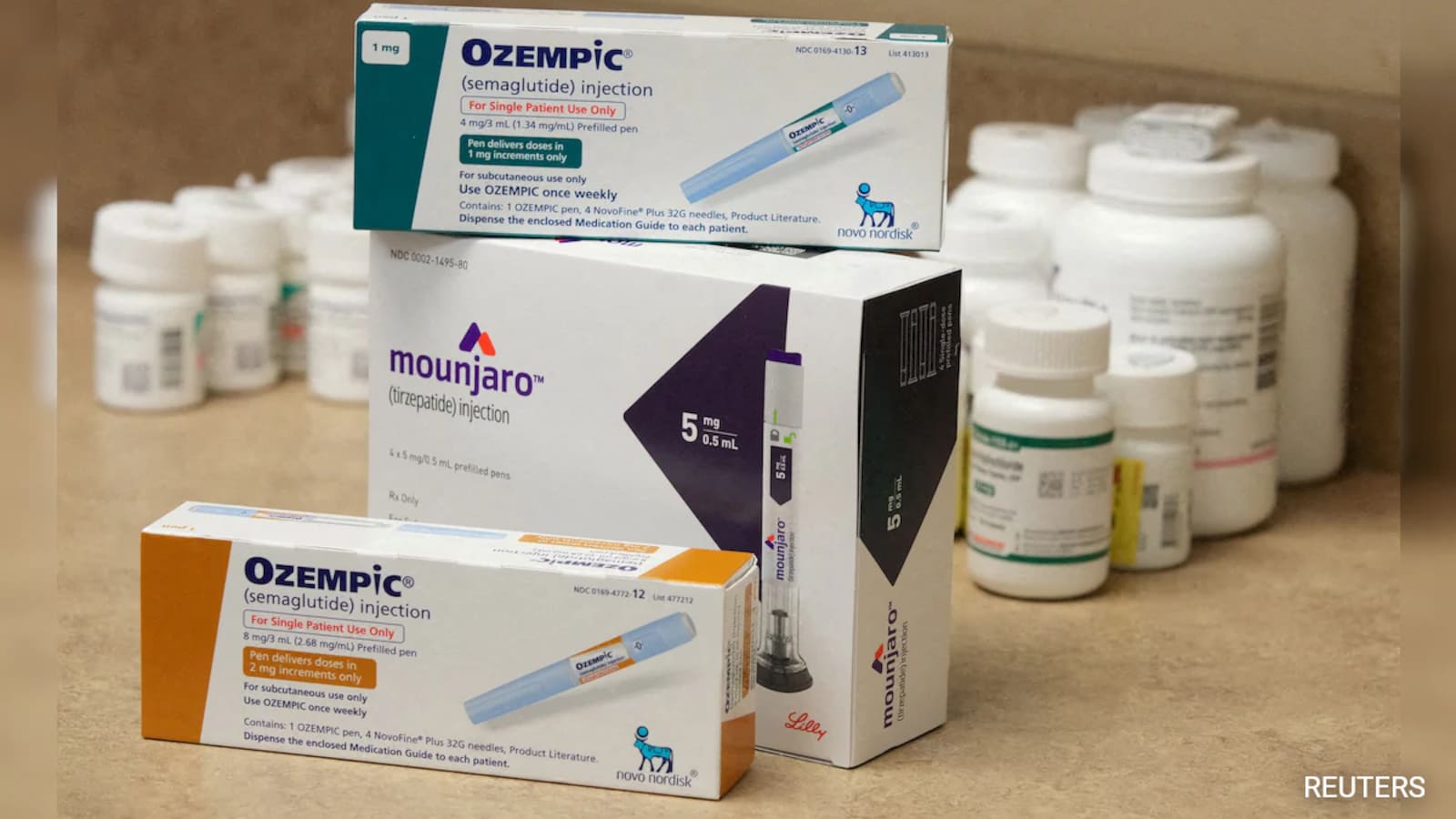
GLP-1 medicines can help control blood sugar and weight.
Some of them may also help protect the heart.
A study looked at veterans with type 2 diabetes who used these medicines.
People who kept taking them had fewer serious heart problems than people taking another type of diabetes medicine.
People who stopped for six months or longer appeared to lose some of that protection.
After one year off the medicine, their risk was 14% higher than that of people who continued.
After two years, the risk was 22% higher.
Restarting the medicine restored some protection, but not all of it.
The researchers said people should discuss stopping or changing treatment with their doctors.

A study of more than 333,000 U.S. veterans with type 2 diabetes examined heart outcomes over three years.
Continuous GLP-1 treatment was associated with an 18% lower risk of major cardiovascular events than sulfonylureas.
People who stayed off GLP-1 medicines for one year had a 14% higher risk than continuous users, rising to 22% after two years.
Treatment gaps of six months were associated with a 4% to 8% increase in cardiovascular risk compared with uninterrupted use.
Researchers said side effects, cost, shortages, weight-loss expectations and treatment changes can lead people to stop taking the medicines.
- Who
- Researchers from Washington University School of Medicine in St. Louis studied more than 333,000 U.S. veterans with type 2 diabetes.
- What
- The study examined whether interrupting GLP-1 treatment was associated with higher risks of heart attack, stroke and death.
- When
- Participants were followed for three years, with treatment status assessed every six months; the study was published in BMJ Medicine.
- Where
- The research used data on U.S. veterans and involved researchers from Washington University School of Medicine in St. Louis.
- Why
- Researchers sought to understand whether the cardiovascular benefits associated with GLP-1 medicines changed after treatment was stopped or interrupted.
- Study population
- More than 333,000 U.S. veterans with type 2 diabetes
- Study duration
- Three years
- GLP-1 users studied
- 132,551 people
- Comparison group
- 201,136 people taking sulfonylureas
- Continuous-treatment finding
- An 18% lower risk of major cardiovascular events compared with sulfonylureas
- Risk after one year off treatment
- 14% higher than among continuous users
- Risk after two years off treatment
- 22% higher than among continuous users
- Possible reasons for stopping
- Side effects, cost, medicine shortages, weight-loss expectations and treatment changes