

Archive · 13 Sep 2025
Bhopal's Matrilineal History Shaped Its Culinary Culture
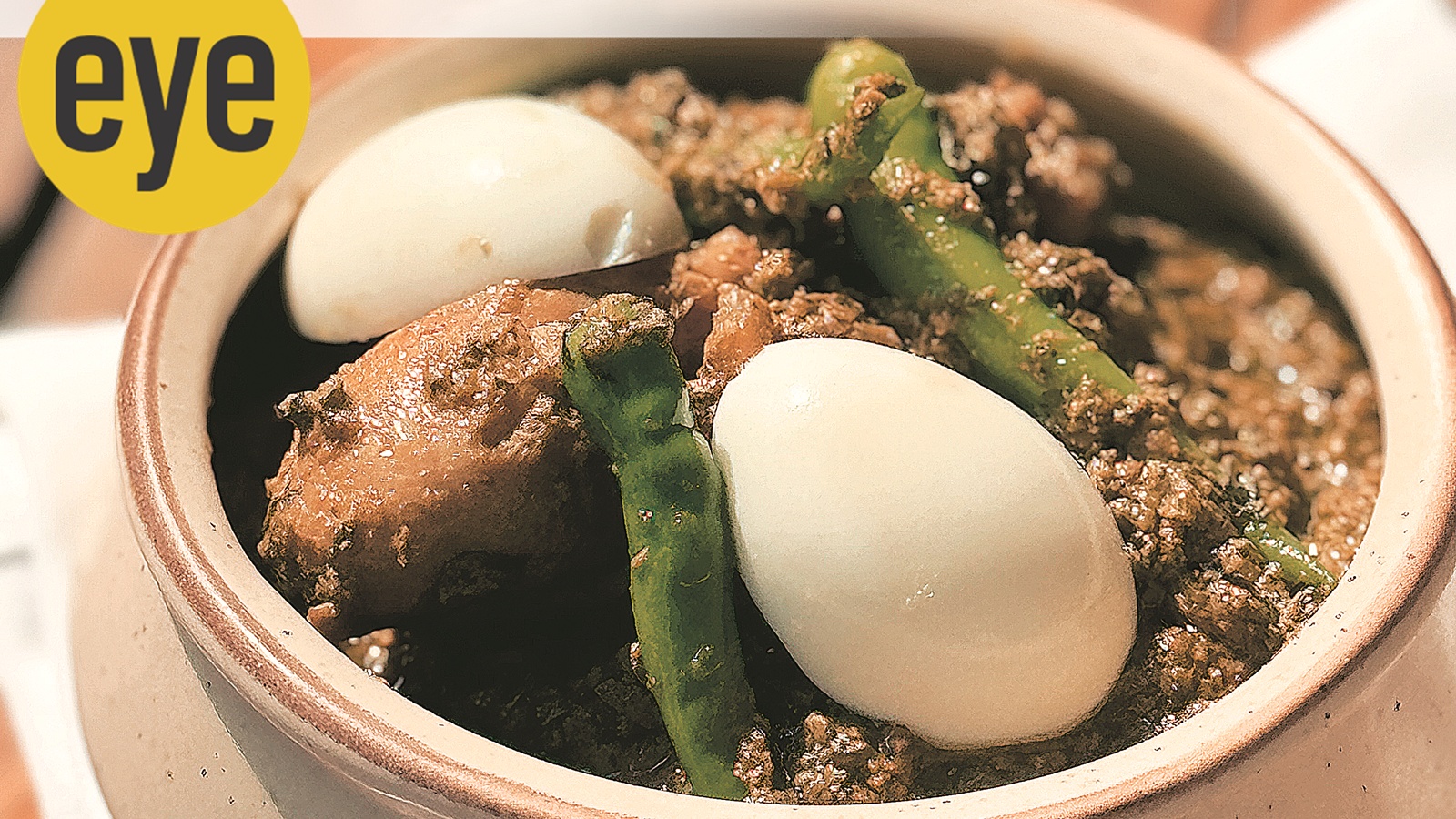
Bhopal, a city in India, was ruled by women for nearly a century.
These queens weren't just figureheads; they built schools, hospitals, and shaped the city's culture.
Their influence also touched the food, creating a unique cuisine.
This cuisine is not flashy but is known for subtle and refined flavors.
The dishes reflect a mix of cultural influences and the queens' careful approach to life.
While not as famous as other Indian cuisines, it leaves a lasting impression.

Bhopal's history was shaped by queens who ruled for almost a century.
The queens governed with intellect and empathy, enacting laws and building infrastructure.
Sultan Jahan Begum expanded hospitals and schools, shaping Bhopal's 20th-century direction.
Bhopal's cuisine combines Persian, tribal, and Mughlai influences.
The cuisine is known for its subtle, refined flavors, such as rezala and karela kachumber.
- Who
- Queens of Bhopal
- What
- Shaped Bhopal's modern culinary culture through their matrilineal rule and vision
- When
- Beginning in 1819
- Where
- Bhopal, India
- Why
- The queens' focus on order and empathy influenced the city's cuisine and culture.
- Key Figure
- Qudsia Begum
- Matrilineal Rule Start
- 1819
- Last Queen
- Sultan Jahan Begum
- Cuisine Style
- Subtle, refined, less spiced
- Notable Dishes
- Rezala, Rampuri chawal, karela kachumber