

Archive · 18 Aug 2025
PM Modi's Demographic Concerns: A Look at India's Border State Trends
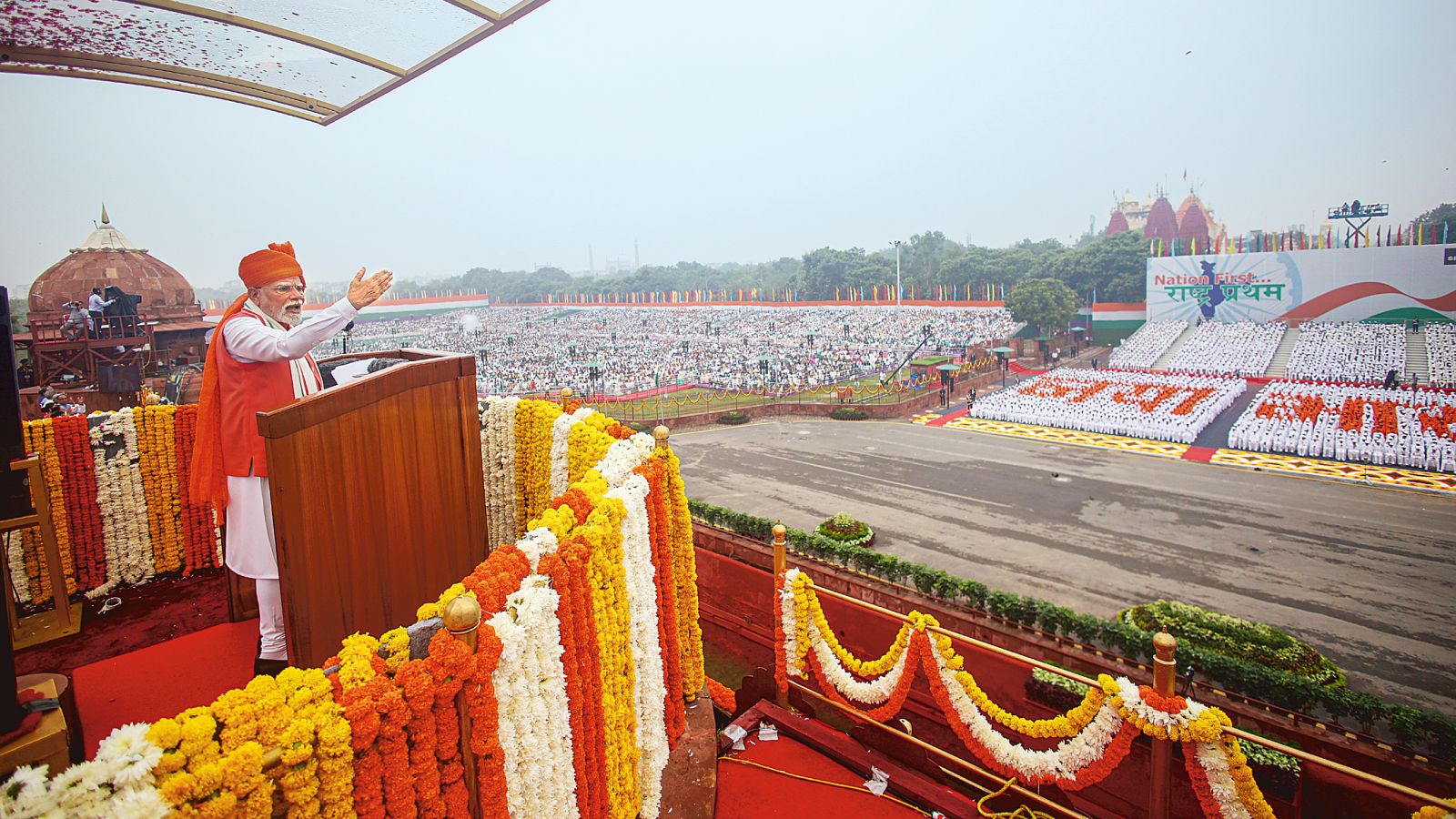
India's leader, PM Modi, talked about changes in population in border areas and worries about safety.
Data shows how the number of people in different states has changed since the 1950s.
Some border areas, like the Northeast, grew quickly at first, but not always.
Some inland states grew just as fast.
The South saw fewer babies and more people living in cities sooner than other places.
Events like the Partition and the Bangladesh war also affected these changes.
The gap between how fast different areas grow is getting smaller now, but it's still not the same everywhere.

PM Modi expressed concerns about demographic changes in border areas, citing national security implications.
Census data reveals varying population growth patterns across Indian border states over seven decades.
Northeastern states and Jammu & Kashmir initially showed high growth rates, but trends have shifted.
Heartland states like Uttar Pradesh and Bihar often had growth rates comparable to or exceeding border areas.
Southern states experienced an early demographic transition with declining fertility and higher urbanization.
- Who
- Prime Minister Narendra Modi and the Indian populace.
- What
- Concerns raised about demographic changes in border areas, analyzed using census data.
- When
- Over a period of seven decades, with specific reference to post-Independence period.
- Where
- Indian border areas, particularly in the Northeast and northern frontier, and also inland states.
- Why
- Due to national security concerns and potential social tensions resulting from demographic changes.
- Primary Concern
- Demographic change in border areas
- Initiator of Concern
- PM Narendra Modi
- Geographic Focus
- Border States, Northeastern states, Jammu & Kashmir
- Key Data Source
- Census data over seven decades
- Historical events impacting demographics
- Partition (1947), Bangladesh Liberation War (1971)
- Southern states
- Early demographic transition