

Archive · 25 Jul 2025
Scientists Develop Artificial Blood for Emergencies and Shortages
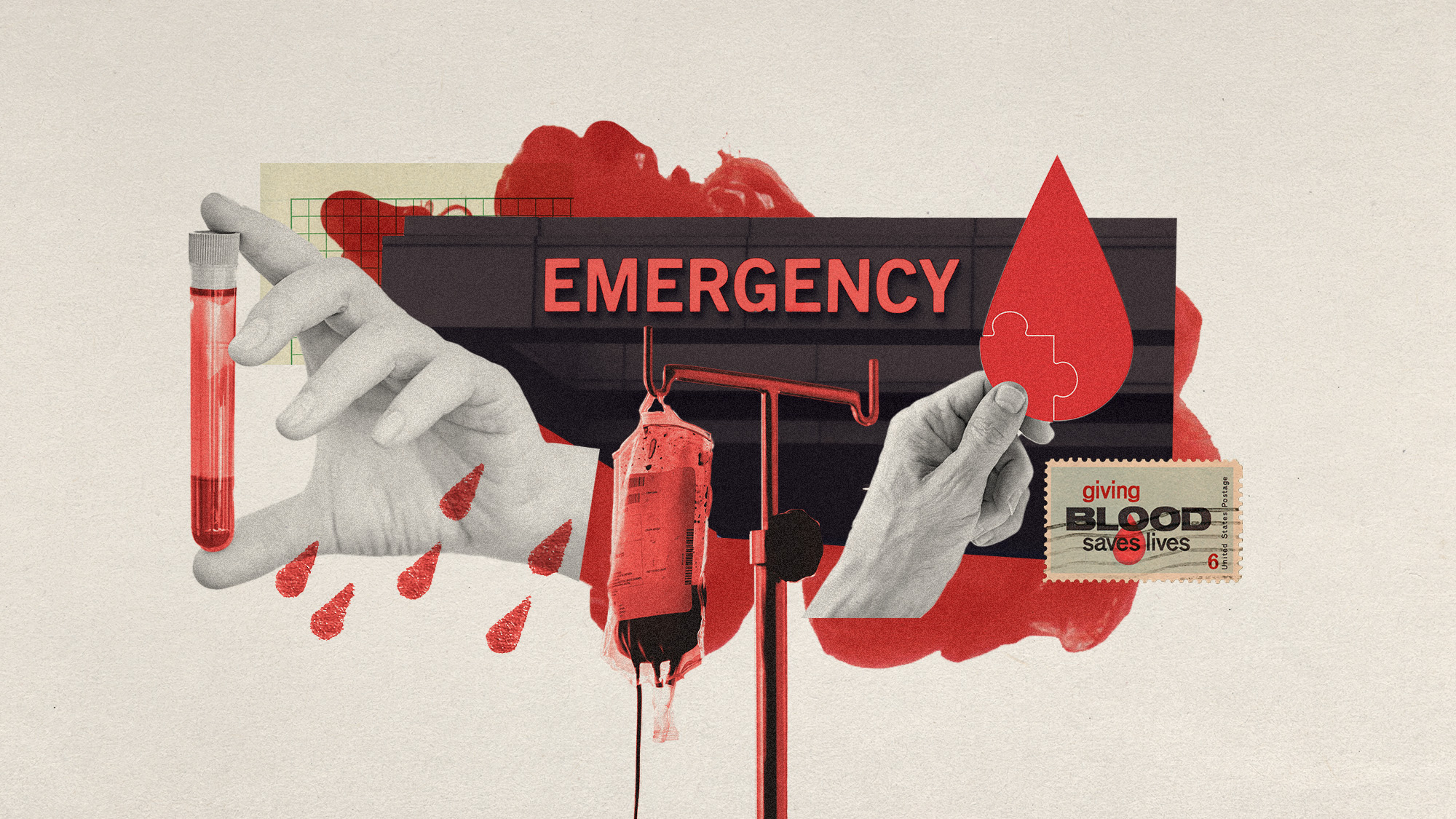
Scientists are working on creating artificial blood, like a lab-made version of real blood.
This fake blood could be used in emergencies and last for a long time, unlike real blood.
Researchers in places like Japan and Maryland are making this happen.
The new blood can be used for all blood types and can be stored for years.
It could save lives by helping people who need blood transfusions, especially in places where getting real blood is hard, like in accidents or on battlefields.

Scientists worldwide are developing artificial blood to address blood shortages and save lives.
Artificial blood is designed to be universal, storable for years, and usable in emergencies.
Clinical trials in Japan are assessing artificial blood suitable for all blood types, storable for up to two years.
Researchers in Maryland have created freeze-dried artificial blood that can be rehydrated for immediate use.
Artificial blood could reduce preventable deaths from injury, surgery, and childbirth, especially in low-income nations.
- Who
- Scientists and researchers.
- What
- Development of artificial blood for medical use.
- When
- Research and development are ongoing, with clinical trials in progress.
- Where
- Japan and Maryland.
- Why
- To address blood shortages, provide universal blood, and reduce preventable deaths.
Benefits of Artificial Blood
Challenges with Artificial Blood
Impact on Mortality Rates
Benefits of Artificial Blood
Artificial blood can save lives by reducing preventable deaths from injuries and surgery.
Challenges with Artificial Blood
The development and implementation of artificial blood pose numerous challenges.
Accessibility of Blood Transfusions
Benefits of Artificial Blood
It can address critical blood shortages, especially in low-income nations and remote areas.
Challenges with Artificial Blood
The development requires extensive research.
- Goal
- Create a universal blood substitute.
- Storage
- Artificial blood can be stored for years.
- Location of Trials
- Japan.
- Function
- Carry oxygen throughout the body.
- Potential Users
- Emergency situations, military, and areas with blood shortages.