

7 months ago
SRCC Rejects Caste Discrimination Claims Amid UGC Regulations Debate
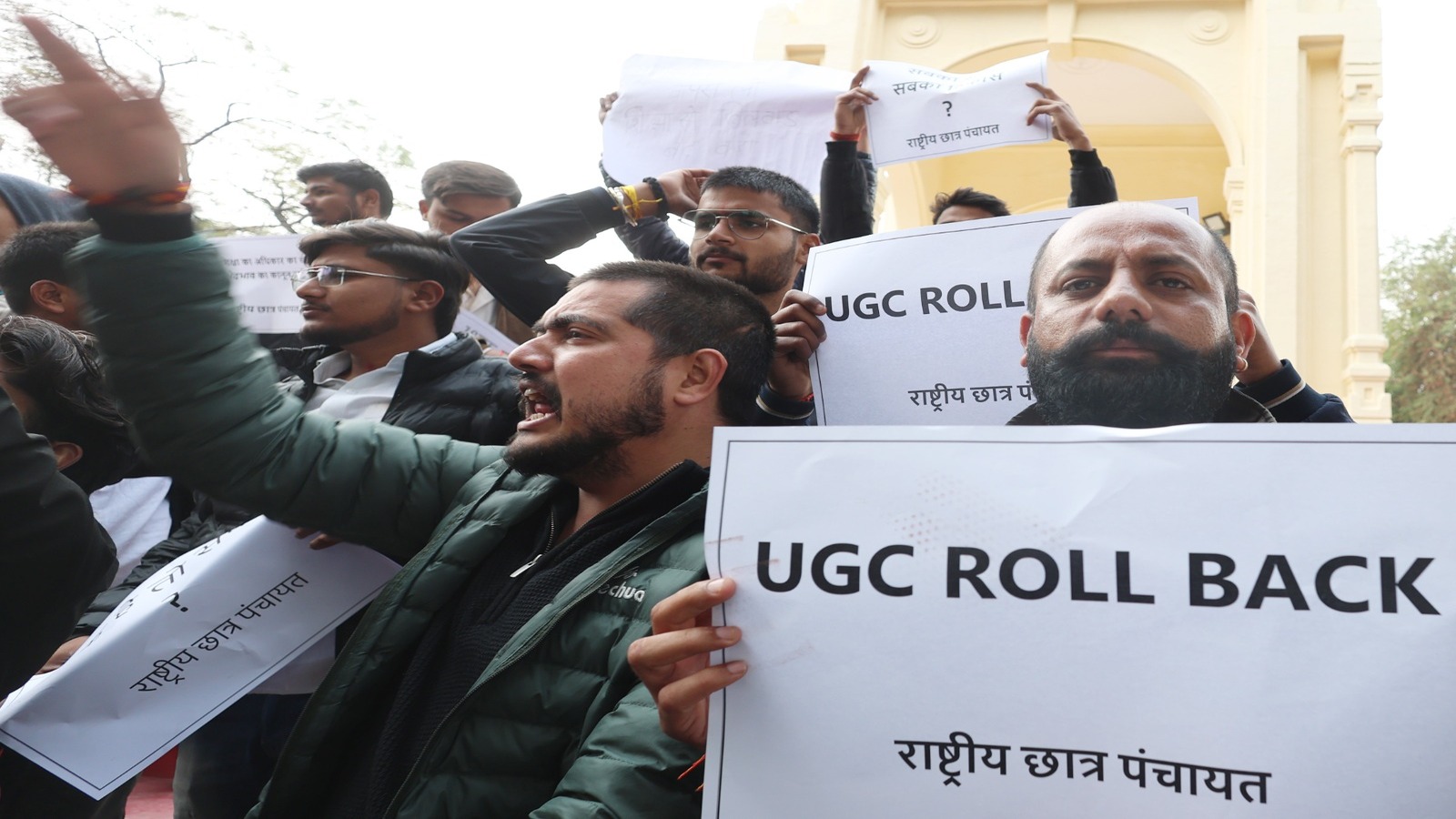
Shri Ram College of Commerce (SRCC) said there is no truth to claims on social media about a student asking for money to not file a complaint under the SC/ST Act.
The college said no such incident was reported to them.
This happened just after the Supreme Court decided to pause new rules made by the University Grants Commission (UGC) to stop caste-based discrimination in universities.
The Court said the rules were too vague and could cause problems.
The new rules were supposed to make universities set up special committees to handle complaints about discrimination.
Some students and professors are criticizing the rules, saying they could lead to discrimination against general category students and exclude Economically Weaker Sections (EWS) students.
A group called AISA had a protest to demand that these rules be put into effect in all universities.

SRCC issued a statement rejecting social media claims of caste-based discrimination and money exchange between students.
The college stated no such incident was reported or known to its authorities.
The Supreme Court stayed the UGC Equity Regulations, 2026, citing vagueness and potential misuse.
AISA staged a demonstration demanding the implementation of UGC regulations in all higher education institutions.
IIM professors criticized the UGC regulations for lacking conceptual coherence and excluding EWS students from protections.
- Who
- Shri Ram College of Commerce (SRCC), Supreme Court, University Grants Commission (UGC), All India Students’ Association (AISA), IIM Udaipur professors
- What
- SRCC rejects caste discrimination claims; Supreme Court stays UGC equity regulations; AISA demands implementation of UGC regulations; IIM professors criticize UGC regulations for excluding EWS students
- Where
- New Delhi, India (SRCC and Supreme Court), Ranchi, India (AISA demonstration)
- When
- January 30, 2026 (SRCC statement), January 31, 2026 (AISA demonstration), January 29, 2026 (Supreme Court stay)
- Why
- To clarify facts and prevent misinformation; concerns over vagueness and potential impact of regulations; to address caste-based and racial discrimination; to highlight flaws in UGC regulations
Pro-UGC Regulations
Anti-UGC Regulations
Implementation of UGC Regulations
Pro-UGC Regulations
AISA demands implementation of UGC Equity Regulations in all higher education institutions to stop caste-based and racial discrimination.
Anti-UGC Regulations
General category students criticize the regulations, arguing they could lead to discrimination against them.
Inclusivity of EWS Students
Pro-UGC Regulations
Not explicitly mentioned in the opposing sides, but implied in the criticism of the regulations' vagueness.
Anti-UGC Regulations
IIM professors argue that the regulations exclude EWS students by not recognizing economic disadvantage as a ground for discrimination.
Key facts
- Institution
- Shri Ram College of Commerce (SRCC)
- Allegations
- Caste-based discrimination and money exchange between students
- College's Response
- No such incident reported or known to the college
- Purpose of Statement
- To clarify facts and prevent misinformation
- Context
- Follows Supreme Court's stay on UGC's 2026 equity regulations
- UGC Regulations
- Mandate equity committees to address discrimination in higher education
- Court's Concern
- Regulations are vague and may have sweeping consequences
- Criticism from IIM Professors
- Regulations lack conceptual coherence and exclude EWS students
- AISA Demonstration
- Demanded implementation of UGC regulations in all higher education institutions
Timeline
The UGC's decision to consider NCERT for deemed university status led to the formulation of new regulations, including the mandate for equity committees in higher education institutions.
The UGC's notification of new regulations mandating equity committees in all higher education institutions sparked legal challenges.
The UGC's notification of new regulations mandating equity committees in all higher education institutions sparked legal challenges.
The UGC's notification of new regulations mandating equity committees in all higher education institutions sparked legal challenges in the Supreme Court, leading to the temporary stay of these regulations.
The Supreme Court temporarily stayed new University Grants Commission (UGC) regulations aimed at preventing caste-based discrimination in universities, citing vagueness and potential issues.
Quotes
Dhananjay
Former JNU Students' Union president
“The UGC regulations should be implemented in all higher education institutions, including engineering and medical institutions, to stop caste-based discrimination.”
 theprint.in
Trilokinath
AISA state secretary
“We welcome the UGC Equity Regulations. We demand the government and the court to take a decision keeping mind the interest of students.”
theprint.in
Sources

SRCC rejects ‘caste discrimination’ claims made on social media, money exchange between students
AISA J’khand unit stages demonstration, demands implementation of UGC regulations
Campuses need to address discrimination. Supreme Court’s stay on UGC equity regulations shows why that is harder than it looks
Blind spots: Editorial on Supreme Court stay on UGC's regulations on caste discrimination

Civility of Grief: Two Mothers, the UGC, and Elite Revolt Against Dignity
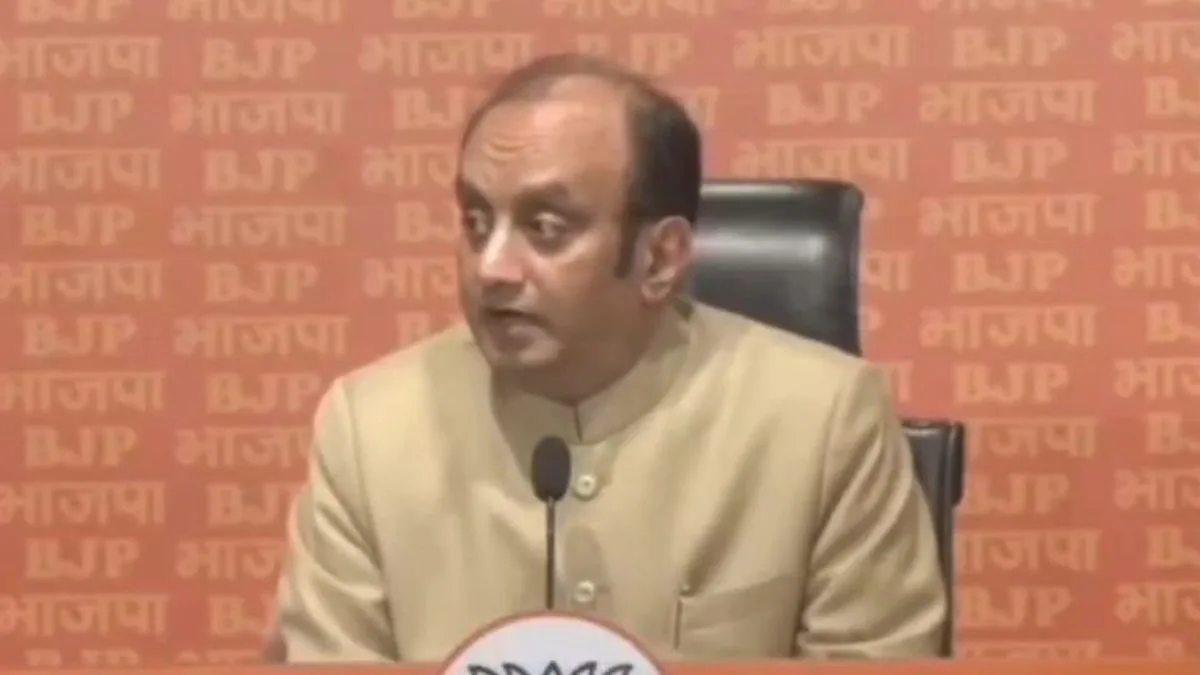
UGC row: Government committed to ‘justice for all’, says BJP
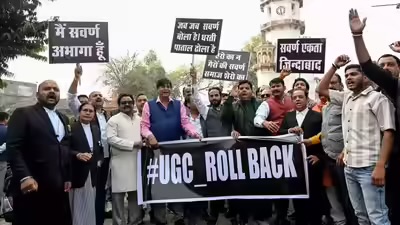
UGC Regulations flawed from within, even EWS students not granted safeguards: IIM professors flag blind spot

Why UGC guidelines cannot be caste-neutral, lawyer who fought for them explains
Related news

Jamia Students Protest Admission Lapses, Demand Probe, Controller’s Resignation

Prayagraj Emerges as Battleground for Gen Z Politics
Bihar Government Accepts Students’ Single-Phase Teacher Exam Demand
AISA chief says Gen Z movement ended fear of dissent

AISA Backs September 5 Delhi March, Demands Student Cases Withdrawn
