

Archive · 21 Jun 2025
Miraj, India: Home of Handcrafted Tanpuras and Sitars
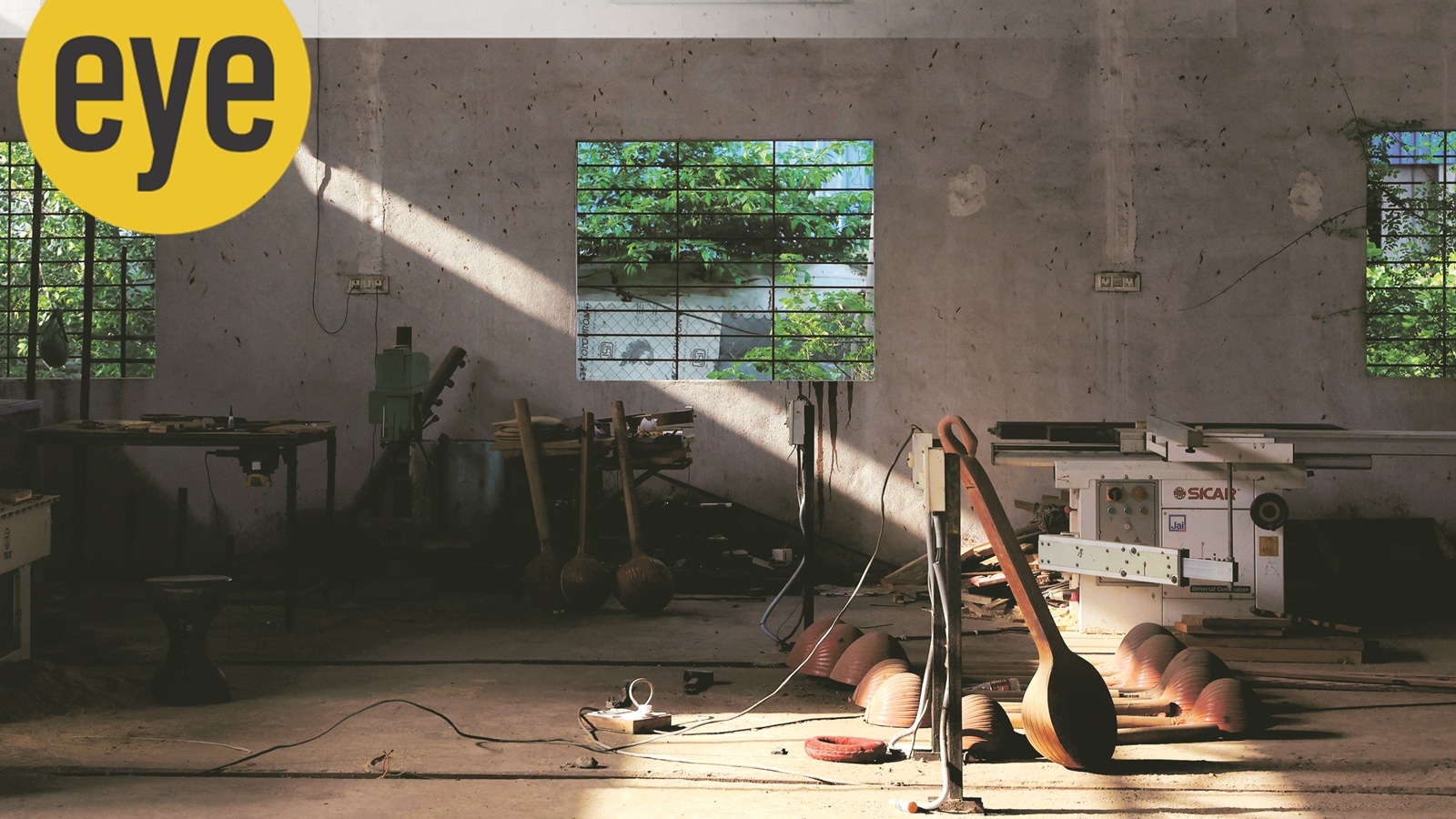
In a town called Miraj, India, people make beautiful musical instruments like tanpuras and sitars by hand.
These instruments are used to play classical music.
Families have been making these instruments for many years, teaching their skills to the next generation.
Recently, the instruments from Miraj got a special label to show they're unique.
Now, some people are working to make instrument-making easier and teach more people, including women, so this tradition continues.

Miraj, Maharashtra, is known for handcrafted tanpuras, sitars, and other stringed instruments.
Artisans in Miraj use skills passed down through generations, often working in family-run workshops.
The Miraj sitar and tanpura received a GI tag in 2024 to protect their unique identity.
Mohsin Mirajkar is leading efforts to modernize production and secure funding for a musical instruments cluster.
The cluster aims to standardize instruments and train future artisans, including women.
- Who
- Artisans of Miraj, including Mohsin Mirajkar, are the main focus.
- What
- Miraj artisans handcraft tanpuras, sitars, and other string instruments.
- When
- Artisans have been crafting instruments for almost 200 years, with a recent GI tag in 2024.
- Where
- Miraj, a town in Maharashtra, India.
- Why
- To preserve the craft, modernize production, and increase accessibility of the instruments.
Traditional Artisans
Modernization Advocates
Production Methods
Traditional Artisans
Focus on preserving traditional craftsmanship techniques passed down through generations.
Modernization Advocates
Embrace mechanization and standardization to increase production and revenue
Financial Concerns
Traditional Artisans
Labor-intensive, low profit, relying on family tradition.
Modernization Advocates
Mechanization and Standardization
- Location
- Miraj, Maharashtra, India
- Instruments made
- Tanpuras, sitars, veenas, sarods, etc.
- GI Tag
- Received in 2024 for Miraj sitar and tanpura
- Artisan Skill
- Passed down through generations, typically within families
- Production
- 300+ tanpuras & sitars annually
- Modernization effort
- Musical Instruments Cluster to standardize production