Archive · 6 Aug 2025
Moon Race Heats Up: Nations Vie for Lunar Presence
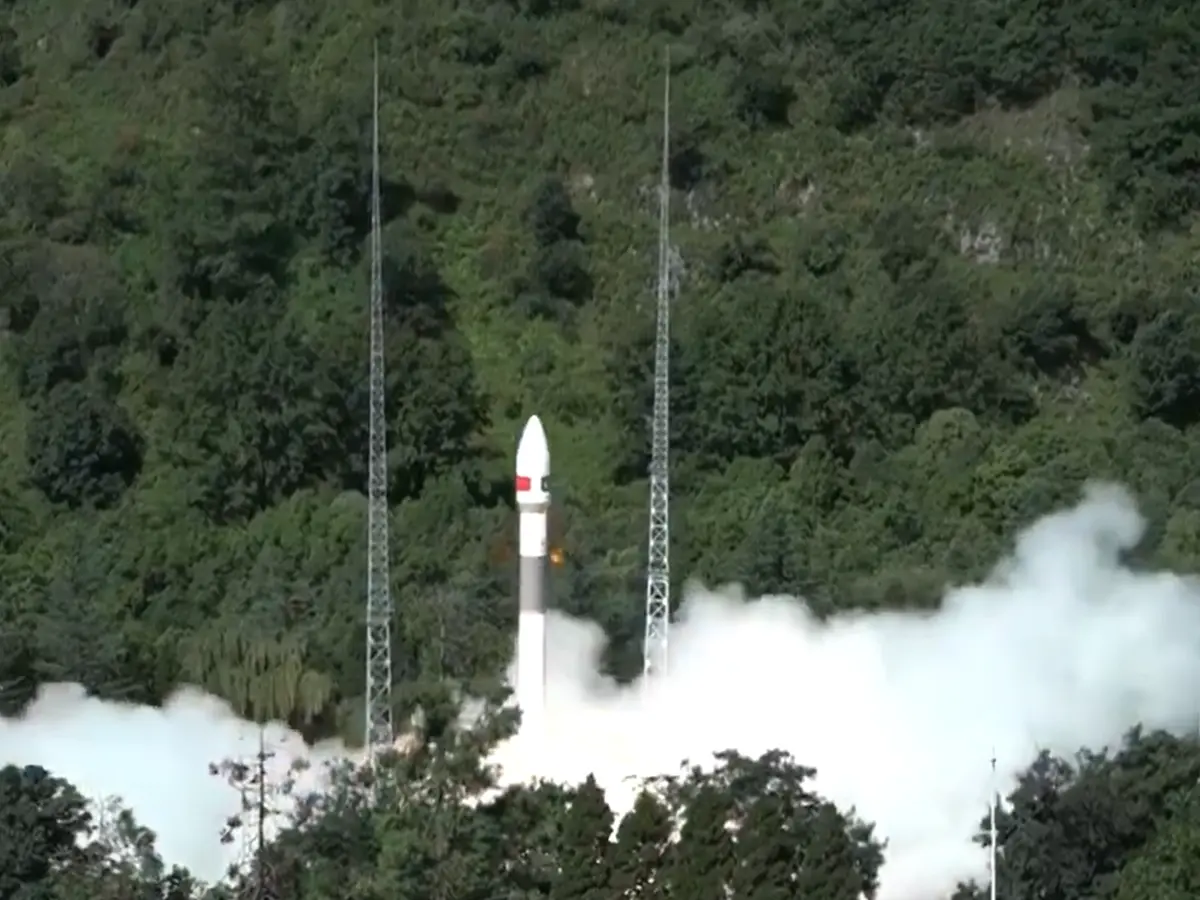
Pakistan wants to send a spaceship to the moon by 2035, with help from China.
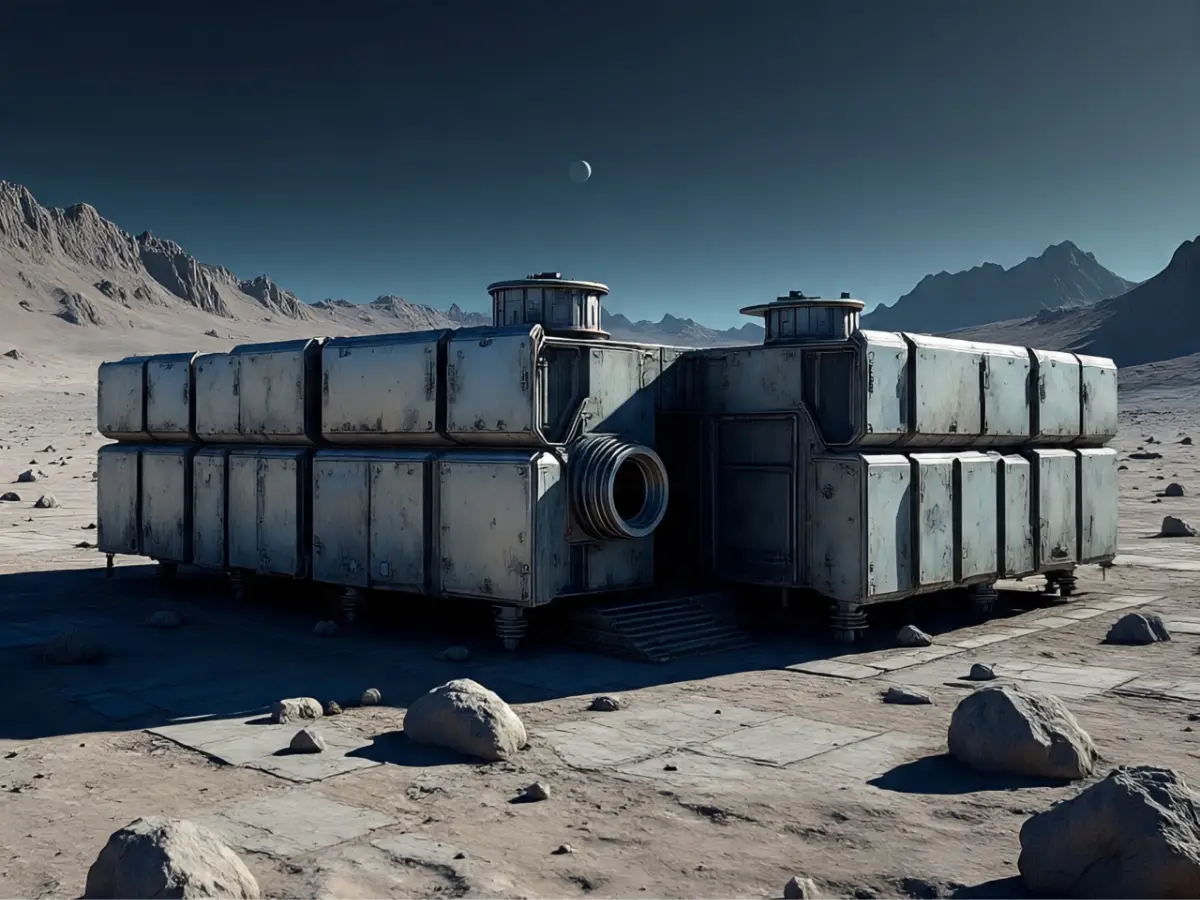
Meanwhile, NASA wants to put a nuclear power plant on the Moon by 2030, but is worried that if China and Russia build one first, they might try to control a part of the Moon.
International rules say no country can own the Moon, but the Artemis Accords allow countries to create safety zones around their projects.
This is like the old space race, and everyone is trying to be the first to build something on the moon.

Pakistan aims to send a spacecraft to the Moon by 2035 with China's assistance.
NASA plans to deploy a nuclear reactor on the moon by 2030.
China and Russia are collaborating on a lunar nuclear power station, aiming for completion by 2035.
International agreements like the Outer Space Treaty and Moon Agreement govern lunar activities.
The Artemis Accords allow for safety zones on the Moon, which could limit access for some countries.
- Who
- Pakistan, China, Russia, NASA, and other nations involved in space exploration.
- What
- Space missions and potential for lunar territorial claims.
- When
- Pakistan aims for a lunar mission by 2035; NASA aims for a lunar reactor by 2030.
- Where
- The Moon.
- Why
- To advance scientific capabilities and potentially establish dominance in space.
International Cooperation
National Interests
Lunar Access and Control
International Cooperation
The Moon should be a place for international collaboration, where all activities are for peaceful purposes and the benefit of all.
National Interests
Countries may establish safety zones around their projects on the Moon, potentially limiting access for others.
- Pakistan's Lunar Goal
- 2035
- NASA's Reactor Goal
- 2030
- China/Russia Reactor Goal
- 2035
- Key Agreements
- Outer Space Treaty, Moon Agreement, Artemis Accords
- NASA's Artemis 3 Mission
- 2027 (target)