

Archive · 5 Sep 2026
UNICEF Study Finds Widespread Online Abuse Among Pakistan’s Children
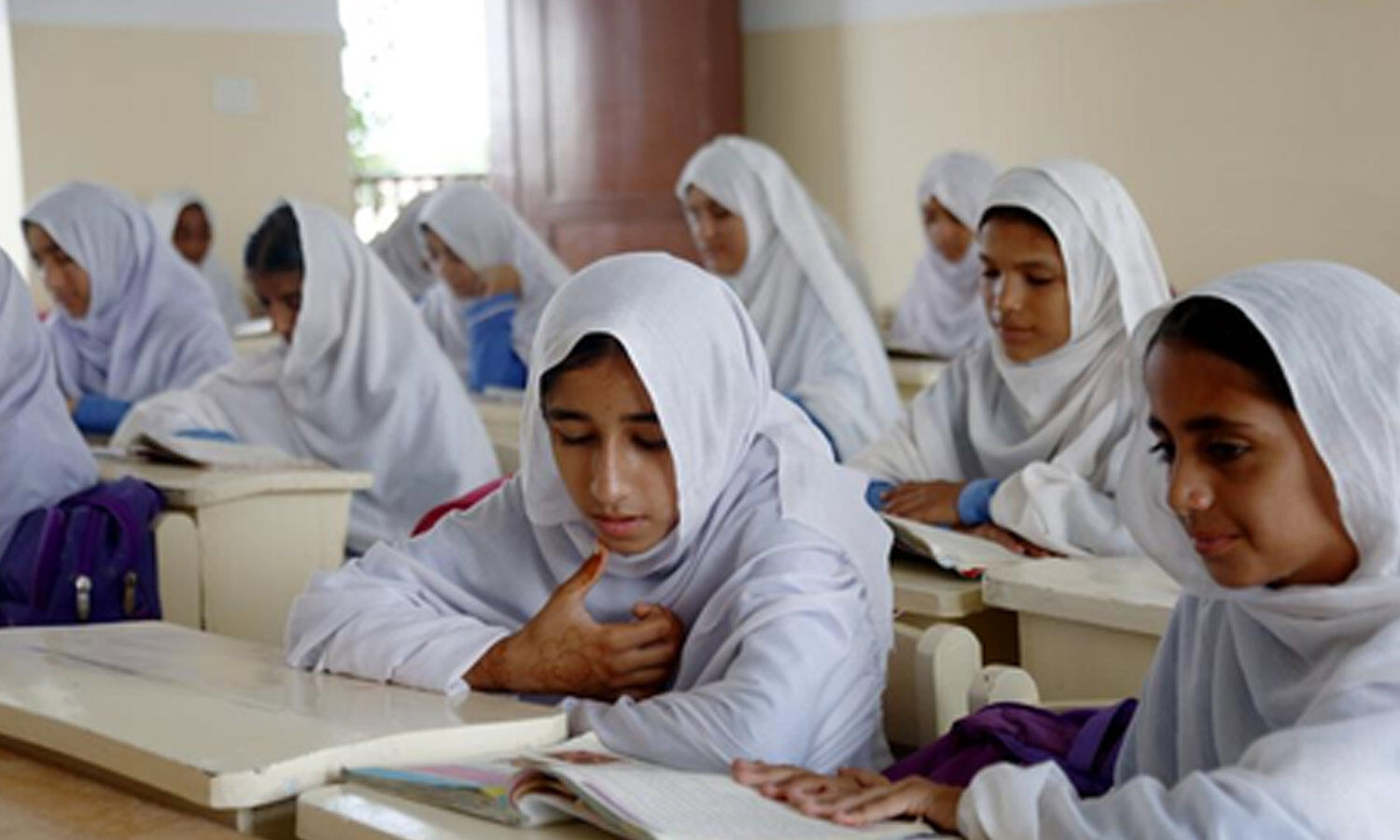
A new study found that many children in Pakistan faced sexual abuse through phones or the internet.
Almost 1.5 million children aged 12 to 17 were affected in one year.
This is about one out of every 16 internet-using children in that age group.
The abuse included unwanted messages, requests for private pictures, threats, and fake pictures made with artificial intelligence.
More than half of the children did not tell anyone about what happened.
None of the surveyed children reported using formal services such as police, helplines, or social workers.
Shame, blaming victims, and not trusting police can make it harder to ask for help.
UNICEF and its partners said adults and online services must work together to keep children safer.

Nearly 1.5 million internet-using Pakistani children aged 12–17 experienced technology-facilitated sexual exploitation or abuse in one year.
Documented abuse included unwanted sexual content, image requests, nonconsensual sharing, threats, blackmail, and AI-generated fake images or videos.
More than half of affected children told no one, and none reported the incidents through formal channels surveyed.
Stigma, victim-blaming, and distrust of police were identified as major barriers to seeking help.
UNICEF called for coordinated action by authorities, communities, schools, families, social services, and digital platforms.
- Who
- Nearly 1.5 million internet-using children aged 12–17 in Pakistan were affected; the study was conducted by UNICEF Innocenti, ECPAT International, and INTERPOL.
- What
- A study documented technology-facilitated sexual exploitation and abuse, including unwanted sexual content, image-related threats, and AI-generated fake images or videos.
- When
- The abuse occurred during a single year; the articles do not specify which year.
- Where
- Across Pakistan, involving children surveyed nationally.
- Why
- The research examined the scale, nature, and reporting barriers of online child sexual exploitation and called for stronger prevention, protection, and response systems.
- Estimated affected children
- Nearly 1.5 million internet-using children aged 12–17
- Estimated rate
- Roughly one in every 16 children
- Study basis
- A nationally representative household survey of children and parents or caregivers, plus interviews with frontline and justice professionals
- Unreported cases
- More than half of affected children told no one
- Formal reports
- None of the surveyed children reported incidents to helplines, social workers, or police
- Key barriers
- Community stigma, victim-blaming, and lack of trust in police
- Study partners
- UNICEF Innocenti, ECPAT International, and INTERPOL, with funding from Safe Online