

Archive · 9 Nov 2025
Bihar's Makhana Industry: Caste Dynamics and Economic Disparities
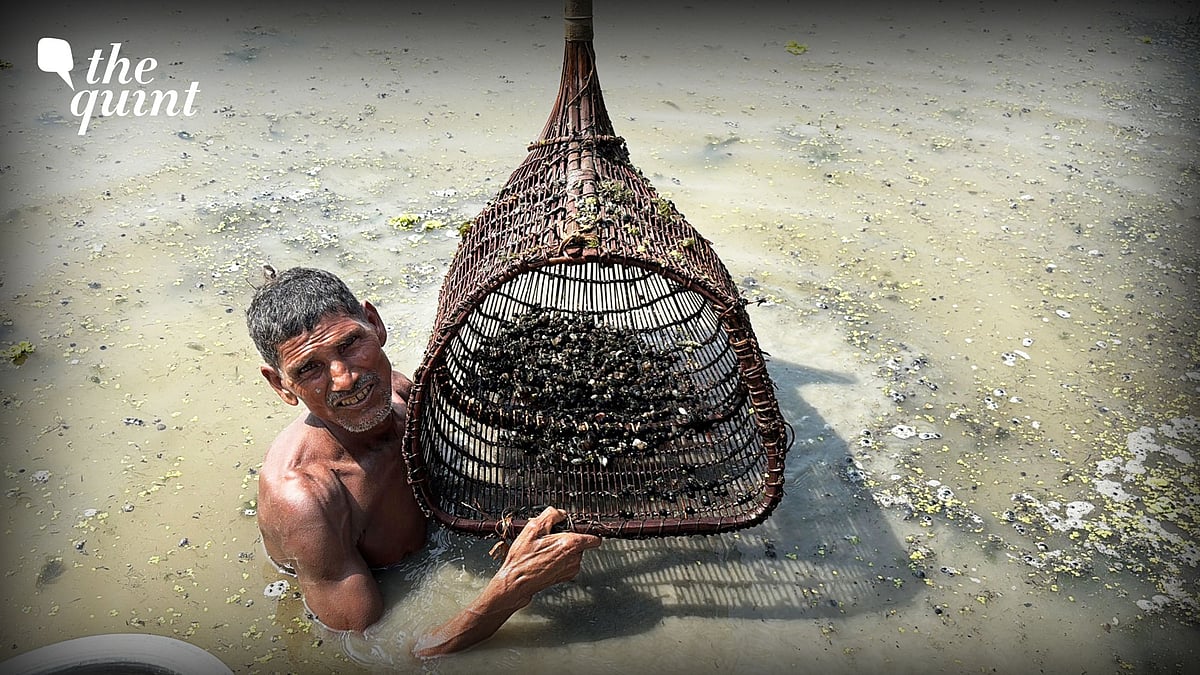
Imagine a special kind of water lily seed called makhana that grows in Bihar, India.
Some people, who are from poorer or lower-caste families, work very hard to grow and harvest these seeds.
They work in hot ponds and factories.
But, people from richer families, often from higher castes, own the land and decide how much the seeds will sell for.
This means the people who do all the hard work don't get to decide the price and end up with less money, while the richer people control the business.

The makhana industry in Bihar is characterized by significant caste-based economic disparities.
Backward communities like the Sahni are often landless and forced to work on leased ponds owned by upper castes.
Upper castes and wealthier individuals control the makhana business, setting prices and market terms.
Makhana harvesters and workers face harsh conditions, including high heat, while receiving low compensation.
The economic benefits of the makhana trade are disproportionately captured by a privileged few.
- Who
- Makhana workers (Sahni and other backward communities) and upper-caste landowners/traders
- What
- Economic exploitation and control within the makhana industry due to caste system
- When
- Ongoing issue
- Where
- Bihar, India
- Why
- Upper castes control land and market, leading to disadvantaged economic positions for backward communities
- Product
- Makhana (Fox Nuts)
- Region
- Bihar
- Economic Structure
- Dominated by upper castes, with lower castes performing labor
- Social Dynamic
- Caste-based hierarchy impacts economic control