Archive · 9 Nov 2025
Shrimp Farming Offers New Opportunities for Former Brick Makers Amidst Subsidies
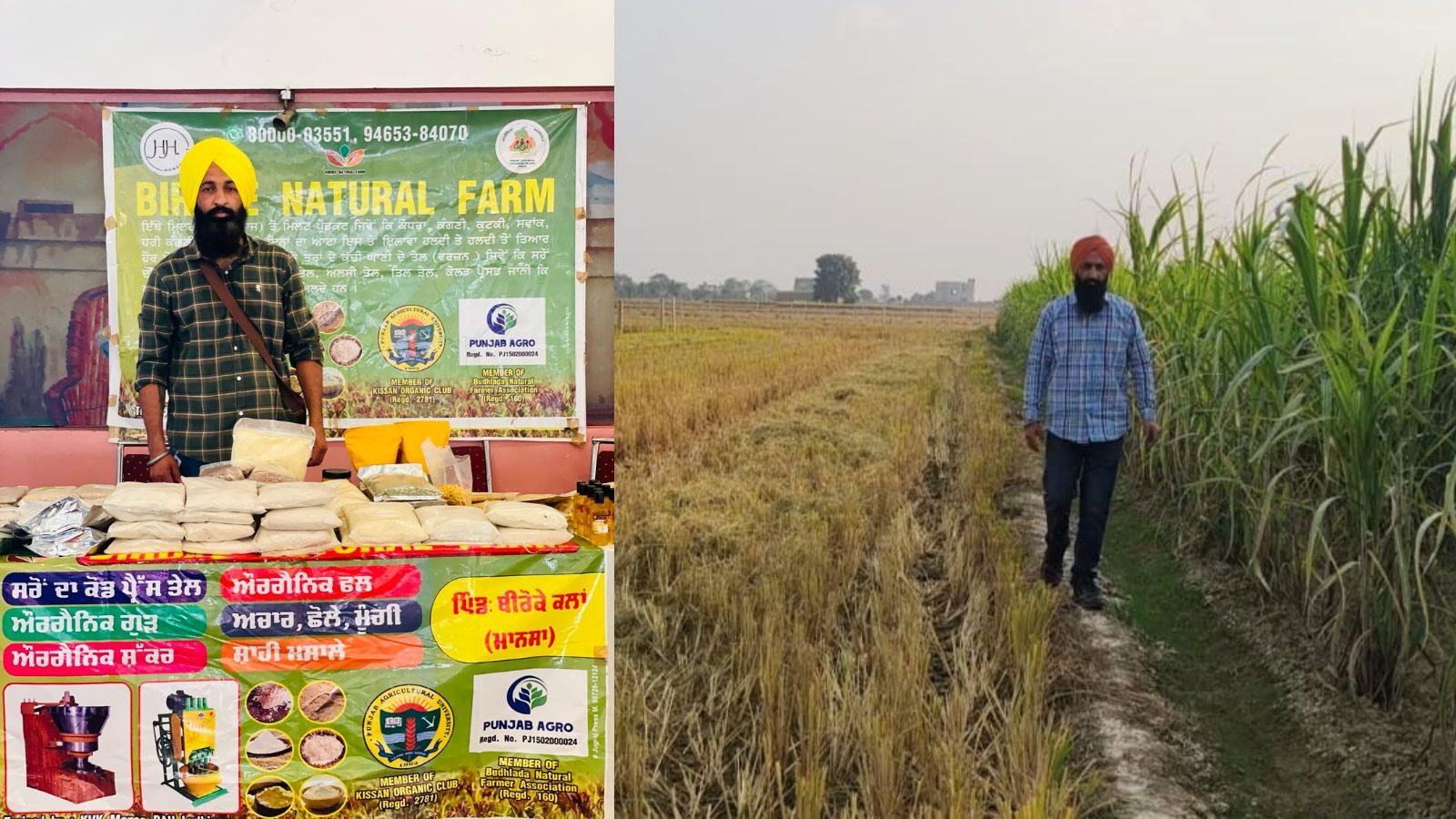
Some people in India who used to make bricks decided to stop because it was getting too expensive and hard work.
They heard that raising shrimp could be a better way to make money.
The government is helping these new shrimp farmers with lots of financial support, making it easier to pay for things like digging ponds and buying equipment.
For example, in one area, the government now pays 60% of the costs for these improvements.
Because of this help, one farmer made enough money to cover his big equipment costs and also had profit left over.
Shrimp farming needs a lot of money to start, but the help from the government makes it possible for more people to try.
However, there are problems too.
A big country called the US is putting extra taxes on shrimp being sent there, which makes it hard for Indian shrimp sellers.
Even with these challenges, the number of shrimp farmers and how much shrimp they are producing is growing in places like Sonipat, showing that this new business is taking off.

Former brick manufacturers Sunil Kumar and Pradeep transitioned to shrimp farming in Sonipat, Haryana, citing rising costs and labor intensity in their previous business.
Government subsidies, particularly through the Pradhan Mantri Matsya Sampada Yojana (PMMSY) and enhanced support in Haryana (up to 60%), are crucial in enabling farmers to invest in shrimp aquaculture.
Shrimp farming requires a significant initial investment of Rs 8-10 lakh per acre for infrastructure like ponds and aerators.
Despite increased subsidies, the shrimp farming sector faces challenges from recent US tariffs, which have increased export duties and reduced market prices.
Shrimp production and the number of farmers engaged in aquaculture are gradually increasing in Sonipat, Haryana, signaling growth potential for the sector.
- Who
- Sunil Kumar and Pradeep, former brick manufacturers, and other farmers in Sonipat, Haryana.
- What
- Transitioning from brick manufacturing to shrimp farming due to rising costs in the former and increased government subsidies and potential returns in the latter.
- When
- The shift occurred about two years ago for Sunil and Pradeep; government subsidies have been recently enhanced; US tariffs are a current issue; Sonipat's shrimp output increase is noted between FY 2022-23 and FY 2024-25.
- Where
- Bhadana village, Sonipat district, Haryana, India, with US market impacts noted.
- Why
- Brick manufacturing became economically unviable due to lease expiry, rising costs of clay and labor, and intensive labor requirements. Shrimp farming is promoted by government subsidies (like PMMSY and Haryana's enhanced support) and offers better returns, despite high initial investment and current market challenges like US tariffs.
Brick Manufacturing
Shrimp Farming
Business Viability
Brick Manufacturing
Brick manufacturing faced challenges including expiring land leases, rising clay and labor costs, and being extremely labor-intensive.
Shrimp Farming
Shrimp farming, supported by government subsidies, offers potentially better financial returns and is seen as a viable alternative for those exiting the brick business.
Investment and Returns
Brick Manufacturing
Brick manufacturing required significant labor and faced increasing operational costs.
Shrimp Farming
Shrimp farming requires a substantial initial investment (Rs 8-10 lakh per acre) for pond construction and equipment, but government subsidies (up to 60% in Haryana) significantly offset capital expenses, leading to reported profits.
Market Challenges
Brick Manufacturing
Challenges primarily related to operational costs and resource availability.
Shrimp Farming
Shrimp farming faces market volatility, including recent US tariffs that have increased export duties to nearly 60% and depressed market prices, although local buyers and alternative markets exist.
- Farmers Involved
- Sunil Kumar and Pradeep (former brick makers)
- Location of Farming
- Bhadana village, Sonipat district, Haryana
- Farming Area
- 8.5 acres (last year for Sunil and Pradeep)
- Initial Investment per Acre
- Rs 8 to 10 lakh
- Haryana Subsidy for Pond Excavation/Inputs
- Enhanced from 20% to 60%
- US Tariff on Indian Shrimp
- Additional 25% (totaling ~60% with duties)
- Sonipat Shrimp Output Increase
- From 71.07 MT (FY 2022-23) to 96.5 MT (FY 2024-25)
- Sonipat Farmers in Shrimp Culture
- Increased from 8 to 16