

Archive · 21 May 2025
Goa Rejects Solar Power Plan Over Pollution Concerns
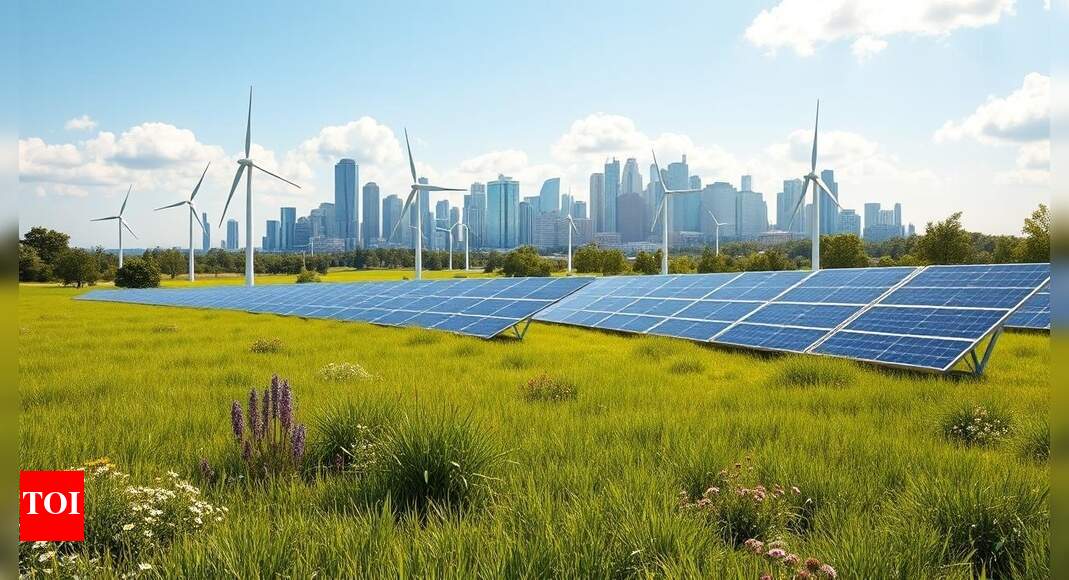
The government of Goa said no to a plan to build solar panels on water.
A company wanted to put solar panels on dams to make electricity.
The government said no because they worried the panels might break and pollute the water, which people drink and use for farming.
The company said it would make the water better by blocking some sunlight and also help the state use more green energy.
They said that the solar panels would help the state make jobs and make money in the form of GST during the development stage of the project.

Goa's Water Resources Department (WRD) rejected a Rs 1,300 crore solar power project proposal.
The project, by SJVN Green Energy Ltd (SGEL), aimed to generate 198MW via floating solar panels.
WRD cited concerns about potential water pollution from the solar panel materials.
SGEL had planned projects at four dams in Goa, including Amthane, Chapoli, Salaulim, and Anjunem.
SGEL argued floating solar could improve water quality and help Goa meet renewable energy goals.
- Who
- WRD and SJVN Green Energy Ltd (SGEL)
- What
- WRD rejected SGEL's proposal for a floating solar power project.
- When
- The decision was announced on Tuesday.
- Where
- Goa
- Why
- The WRD cited potential water pollution as the reason for rejecting the proposal. SGEL argued it could improve water quality and meet renewable energy goals.
Water Resources Department
SJVN Green Energy Ltd
Project Benefits vs. Environmental Risks
Water Resources Department
The WRD was concerned that there would be a possibility of some material falling into the water from the solar panels.
SJVN Green Energy Ltd
SGEL stated the projects would help the state meet renewable purchase obligations and generate employment.
- Proposed Investment
- Rs 1,300 crore
- Proposed Power Generation
- 198MW
- Proposing Company
- SJVN Green Energy Ltd (SGEL)
- Number of Dams
- 4
- Water Quality Improvement
- SGEL stated that it helps improve water quality by reducing algal blooms.
- RPO Goal
- 25% by 2030, increasing to 43% by 2030