Archive · 15 Nov 2025
Delhi Air Quality Worsens to 'Severe' Despite Restrictions
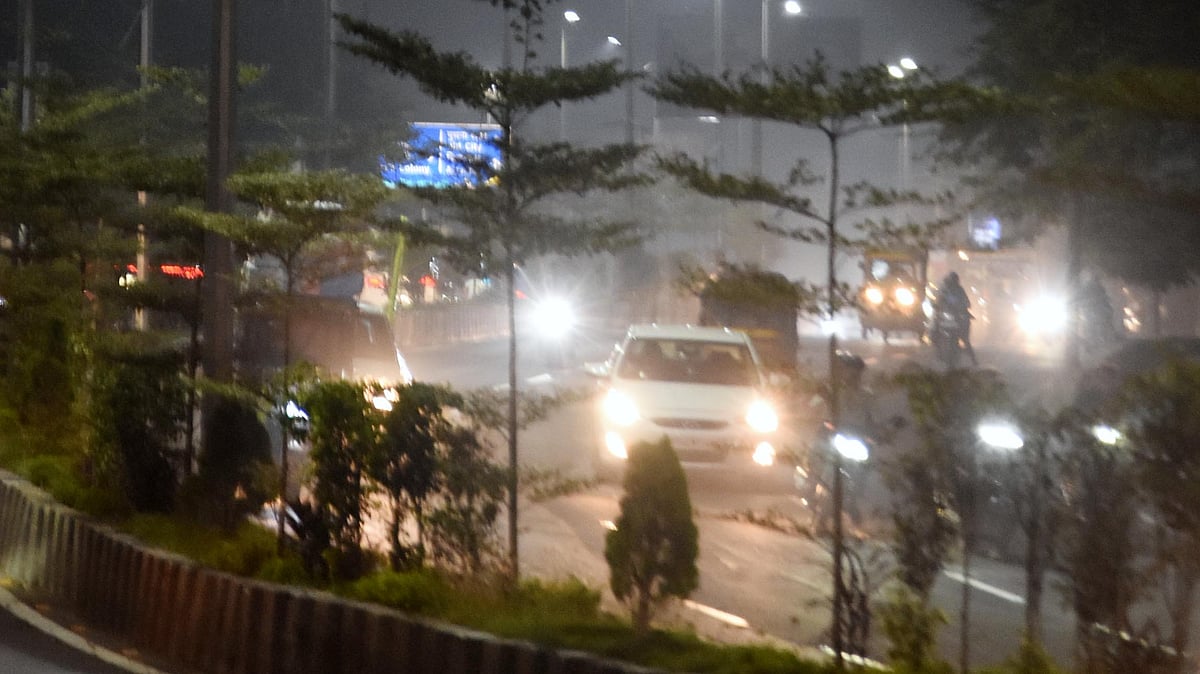
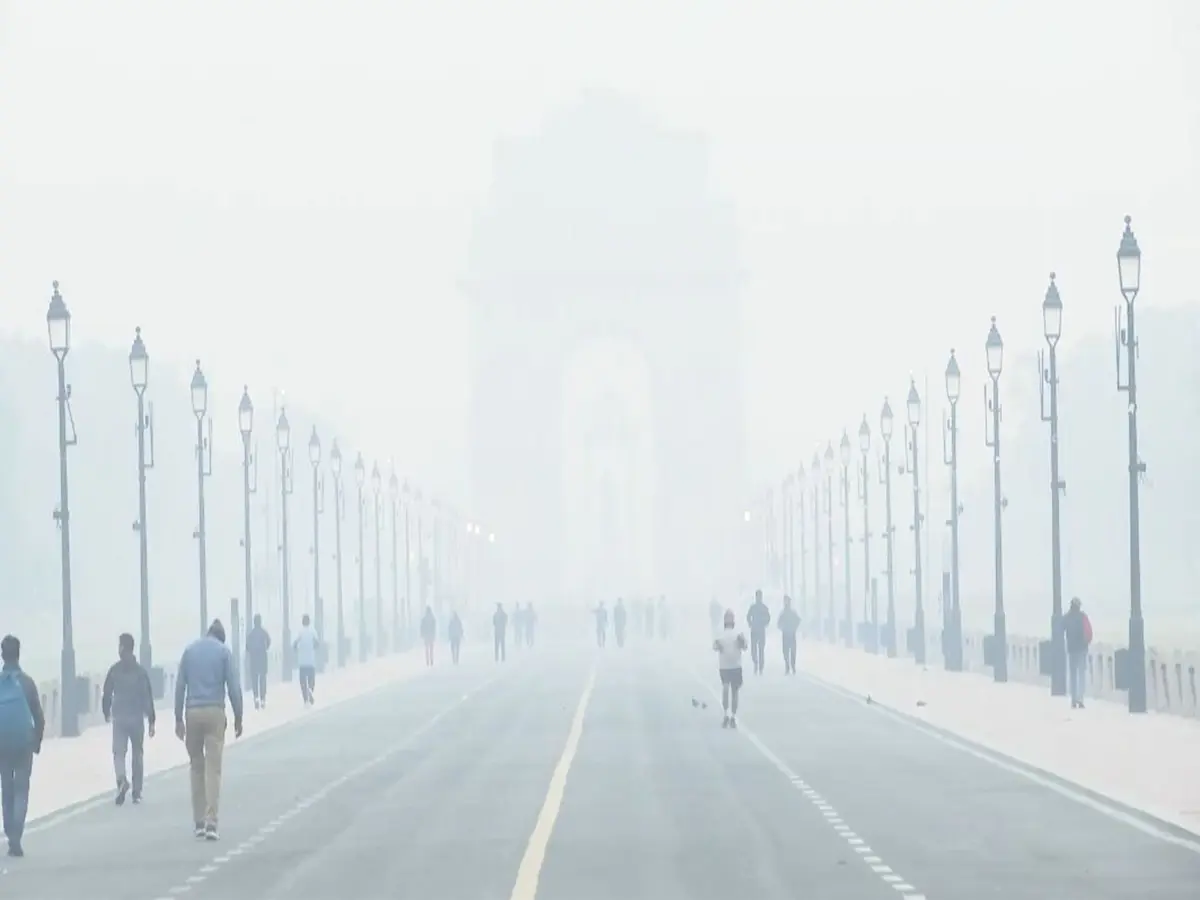
The air in Delhi is still very dirty, even with rules in place.
Many places in the city have air that is unhealthy to breathe.
Because of this, officials have stopped most building work and made schools for younger kids have classes online instead of in person.
They are also trying to limit the number of cars on the road.
This bad air happens often in winter because the cold air traps the pollution close to the ground, and smoke from farms nearby makes it even worse.
Even though they have rules, the air is still very polluted, showing a big problem that needs solving.

Delhi's air quality has worsened to 'severe' levels, with the AQI crossing 400 in many areas.
Stage III of the Graded Response Action Plan (GRAP) is in effect, including bans on non-essential construction.
Primary schools (up to Class 5) have been shifted to a hybrid learning mode to reduce children's exposure.
Despite restrictions, pollution levels remain high, indicating ongoing challenges in air quality management.
The Centre has advised states to open chest clinics to manage pollution-related health issues.
- Who
- Delhi residents and government
- What
- Air quality in Delhi has reached 'severe' levels, triggering Stage III restrictions under the Graded Response Action Plan (GRAP), including school shifts and construction bans.
- When
- Saturday (November 15), with conditions worsening over preceding days and weeks.
- Where
- Delhi and the National Capital Region (NCR)
- Why
- To combat hazardous pollution levels that remain high despite implemented restrictions, exacerbated by factors like stubble burning and vehicular emissions.
Government Measures (GRAP Stage 3)
Persistent Air Quality Concerns
Severity of Pollution
Government Measures (GRAP Stage 3)
The government has activated Stage III of GRAP, imposing stricter measures to combat severe air pollution.
Persistent Air Quality Concerns
Despite these measures, Delhi's AQI remained in the 'severe' range, with multiple areas exceeding 400, indicating the ineffectiveness of current actions.
School and Construction Impact
Government Measures (GRAP Stage 3)
Schools up to Class 5 have been moved to hybrid learning, and non-essential construction is suspended.
Persistent Air Quality Concerns
Air quality has been poor or worse since mid-October, and the situation is still critical, with pollution levels not improving significantly despite these restrictions.
- Date
- Saturday (November 15)
- Overall AQI
- 389 ('Very Poor' to 'Severe' range)
- Severe AQI Areas
- Ashok Vihar (415), Chandni Chowk (419), Bawana (441), Jahangirpuri (422), Punjabi Bagh (405), Wazirpur (447), Siri Fort (495) and others
- GRAP Stage 3 Restrictions
- Suspension of non-essential construction, restriction on vehicle movement, schools (up to Class 5) to hybrid mode.
- Contributing Factors Mentioned
- Stubble burning (mentioned in context of SC seeking report), vehicular pollution, industrial emissions, weather conditions.
- Health Measures
- Opening of chest clinics in government hospitals and medical colleges.
Sources
Bhopal News: 4 Of 14 Days Logged ‘Poor’ Air; AQI Breaches 300 On Two Days

AQI likely to stay between ‘severe’ and ‘very poor’ in coming week in Delhi

Delhi AQI drops to ‘very poor,' relief from high air pollution to be short lived, stubble-burning impact set to double
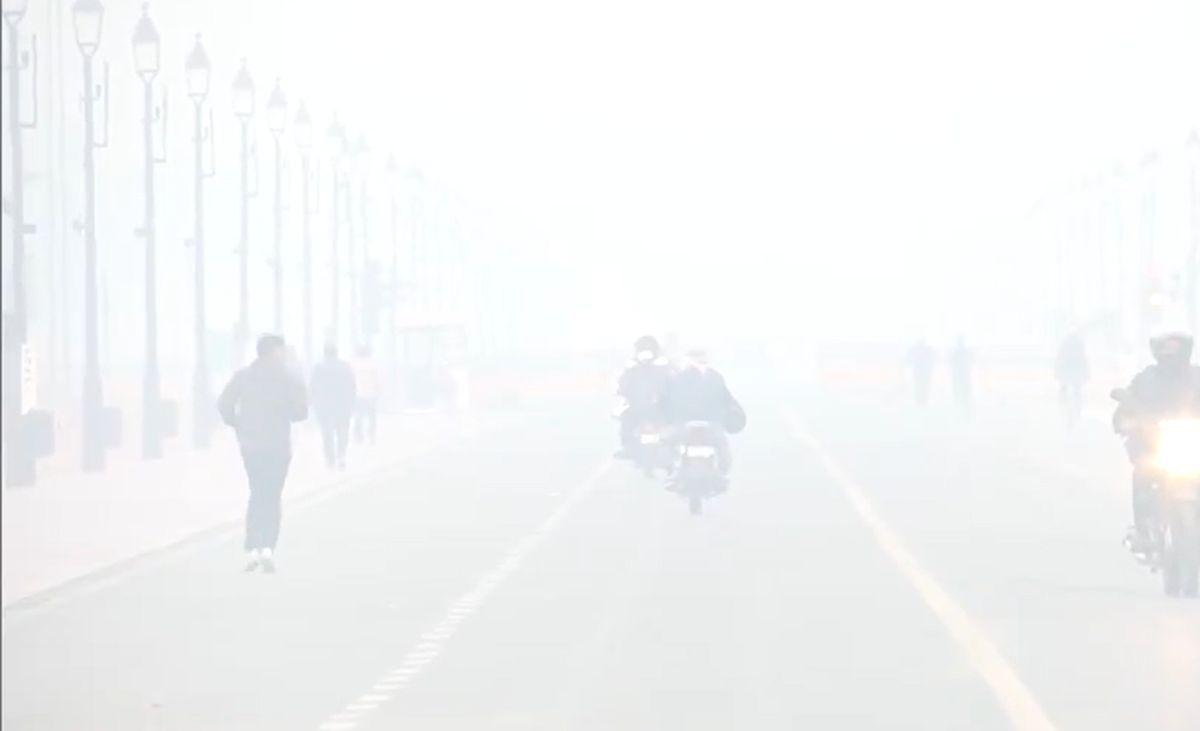
India Gate disappears in haze as Delhi AQI deteriorates

Delhi AQI Today: Thick Smog Engulfs Capital, India Gate Nearly Disappears as Air Turns 'Very Poor'
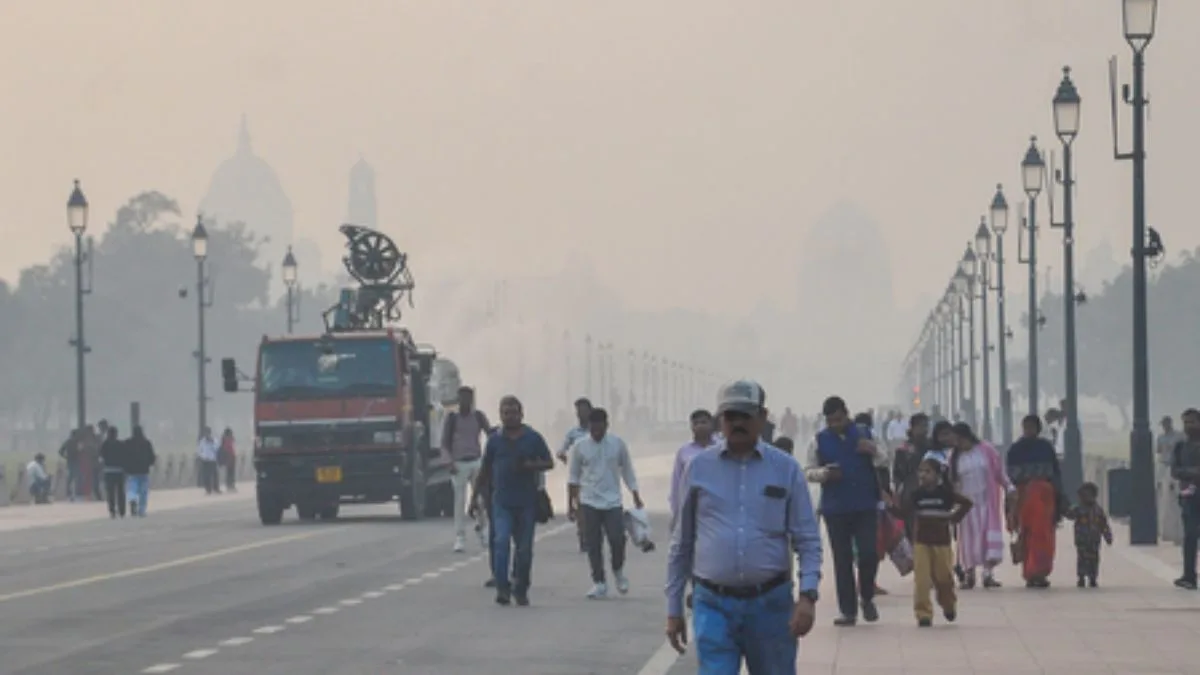
Delhi-NCR turns into gas chamber as pollution remains in ‘severe’ category, AQI crosses 400-mark in several areas

Delhi wakes up to thick smog as AQI touches 386, air quality remains in 'very poor' category
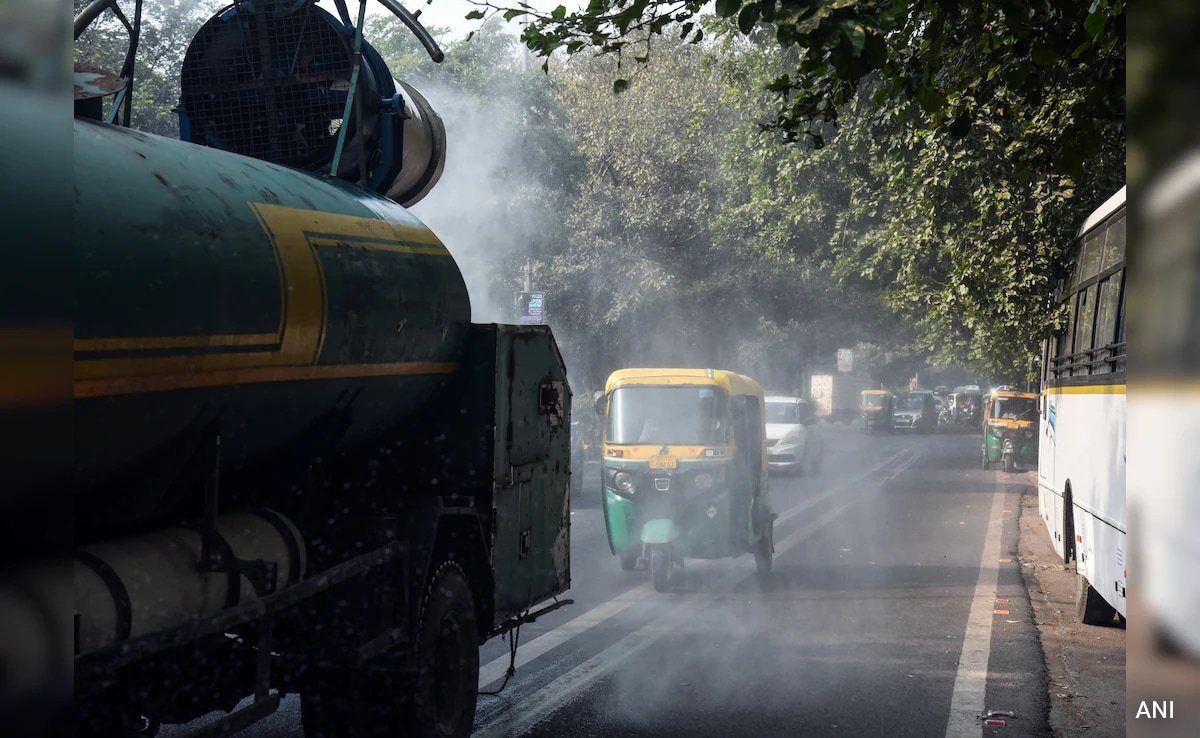
Delhi-NCR Remains A Gas Chamber As AQI Crosses 400-Mark

Air quality in city ‘very poor’

‘Working to reduce dust on roads’: Delhi Environment Minister explains govt measures to tackle smog
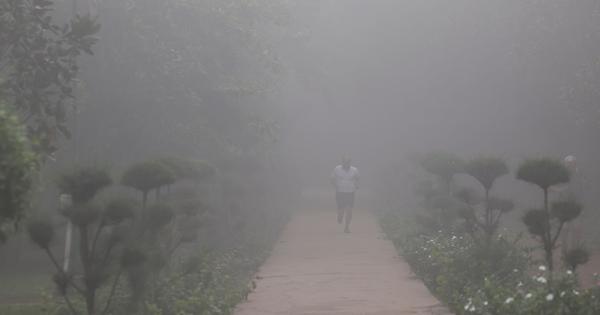
Delhi: ‘Severe’ air quality recorded in 17 of 39 monitoring stations