

Archive · 31 Jul 2025
CEC Recommends Boundary Changes for Sariska Tiger Reserve
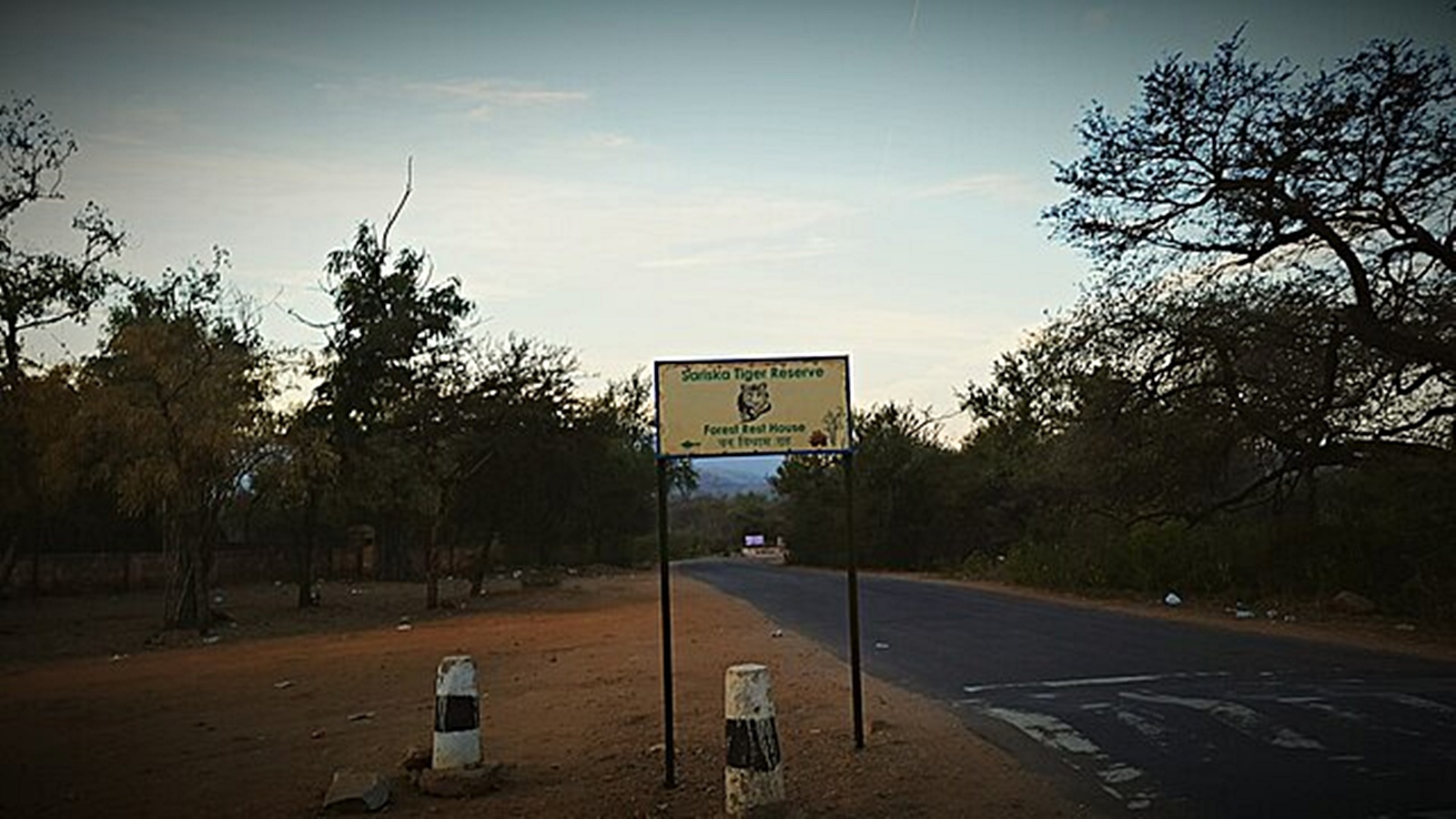
The CEC wants the Supreme Court to allow changes to the Sariska Tiger Reserve boundaries in India.
The goal is to improve the area for tigers, expanding their main habitat.
Some people worry this might reopen old mining operations.
The CEC also has ideas for visitors to a temple in the reserve: use electric buses and stop cooking there.
The committee says these changes are backed by science and will help protect the tigers and their homes.

CEC recommends Supreme Court approve redrawing Sariska Tiger Reserve boundaries.
Critical Tiger Habitat will increase after boundary changes.
Buffer area of the reserve will decrease due to rationalisation.
The CEC suggests exploring CNG and electric buses for temple tourism.
Rationalisation was guided by scientific data on tiger presence and habitat.
- Who
- The CEC, the Supreme Court, Rajasthan government, and the National Board for Wildlife.
- What
- The CEC recommended the approval of rationalised boundaries for the Sariska Tiger Reserve.
- When
- The CEC filed its report.
- Where
- Sariska Tiger Reserve, Rajasthan, India.
- Why
- To improve tiger habitat, resolve conservation issues, and manage the reserve more effectively.
Environmental Concerns
CEC and Authorities
Mining Operations
Environmental Concerns
The boundary rationalisation may facilitate the resumption of mining operations.
CEC and Authorities
The CEC argues that the changes are based on scientific data to improve tiger habitat integrity.
- Critical Tiger Habitat Area
- To be expanded from 881.11 to 924.49 sq km
- Buffer Zone
- Reduced from 245.72 to 203.2 sq km
- Total Notified Area
- 924 sq km
- Temple Transport
- CNG and Electric Buses recommended
- Mining Concerns
- Boundary changes may affect previously closed mines
