

Archive · 22 Aug 2025
CUJ Celebrates World Folklore Day with Insightful Lectures
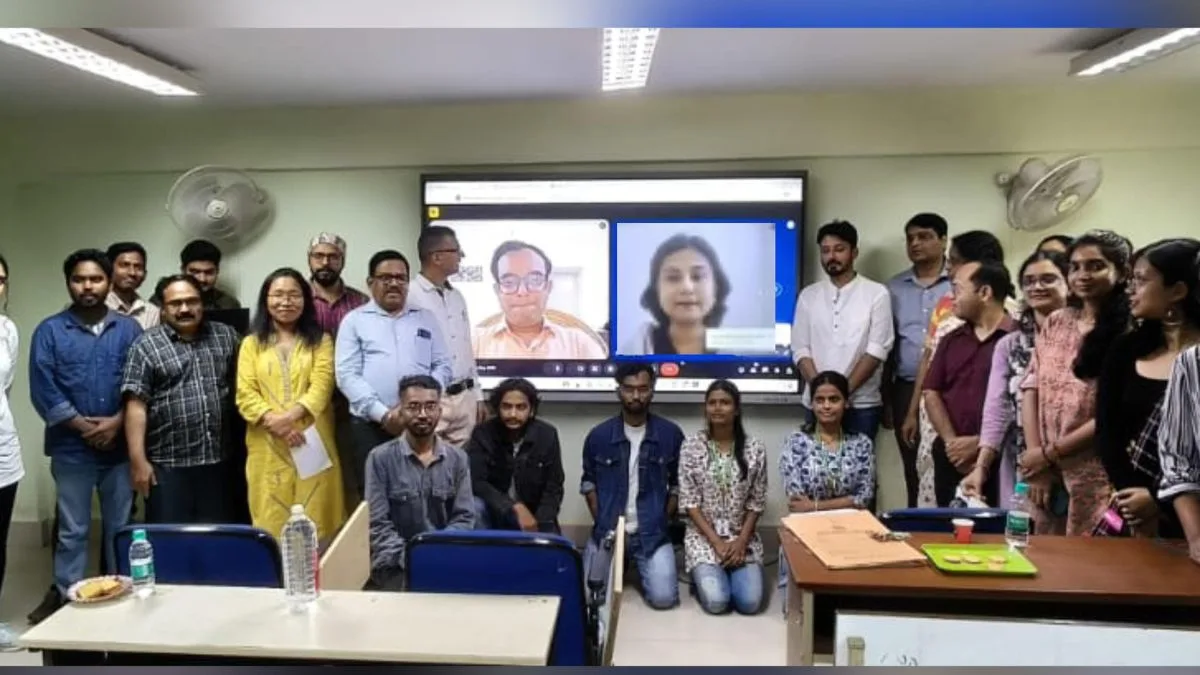
World Folklore Day was celebrated at the Central University of Jharkhand (CUJ) with talks about culture and history.
Speakers like Dr. Subhra Devi talked about how important it is to protect our cultural traditions and how they connect to nature and community.
Another speaker, Pankaj Protim Bordoloi, discussed how museums and other places can help tell the stories of everyday people, not just the famous ones.
The goal of the event was to get students and researchers excited about learning about and protecting their heritage.
The event highlighted the importance of preserving traditions and the role of community in keeping these traditions alive.

CUJ celebrated World Folklore Day with lectures on cultural preservation and folk history.
Dr. Subhra Devi discussed safeguarding intangible cultural heritage in India.
Pankaj Protim Bordoloi explored folk histories and their role in contemporary society and museums.
The event aimed to reflect on cultural preservation, historical memory, and youth engagement.
The lectures drew participation from faculty, researchers, and students, inspiring engagement with traditions.
- Who
- The event featured Dr. Subhra Devi and Pankaj Protim Bordoloi, and was attended by faculty, researchers, and students.
- What
- CUJ observed World Folklore Day with lectures on cultural heritage and folk history.
- When
- The event took place on World Folklore Day.
- Where
- Central University of Jharkhand (CUJ).
- Why
- To reflect on cultural preservation, historical memory, and engage youth in shaping heritage.
Official History
Folk History
Focus of Historical Narrative
Official History
Tells the story of victors.
Folk History
Gives voice to the marginalized.
- Event
- World Folklore Day Observance
- Location
- Central University of Jharkhand (CUJ)
- Speakers
- Dr. Subhra Devi, Pankaj Protim Bordoloi
- Topics
- Intangible cultural heritage, folk histories
- Focus
- Cultural preservation, historical memory, youth engagement
- Supported by
- Anthropological Survey of India, others