3 weeks ago
Delhi Metro's 99.95% punctuality record outshines New York, Paris subways
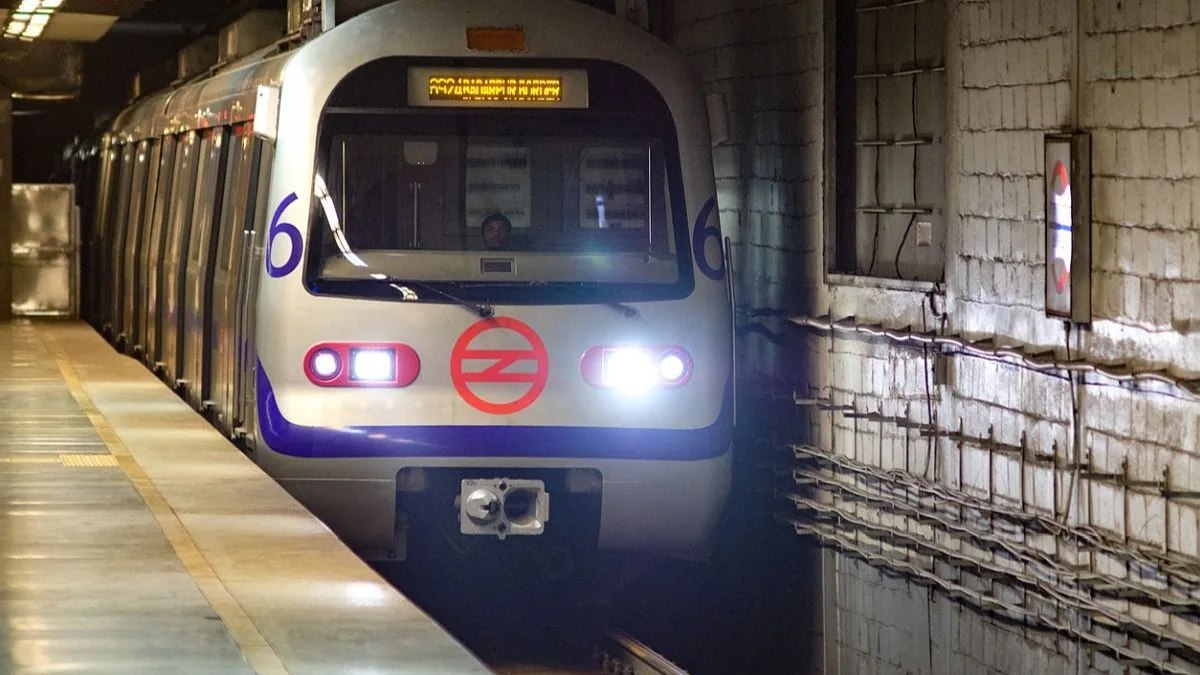
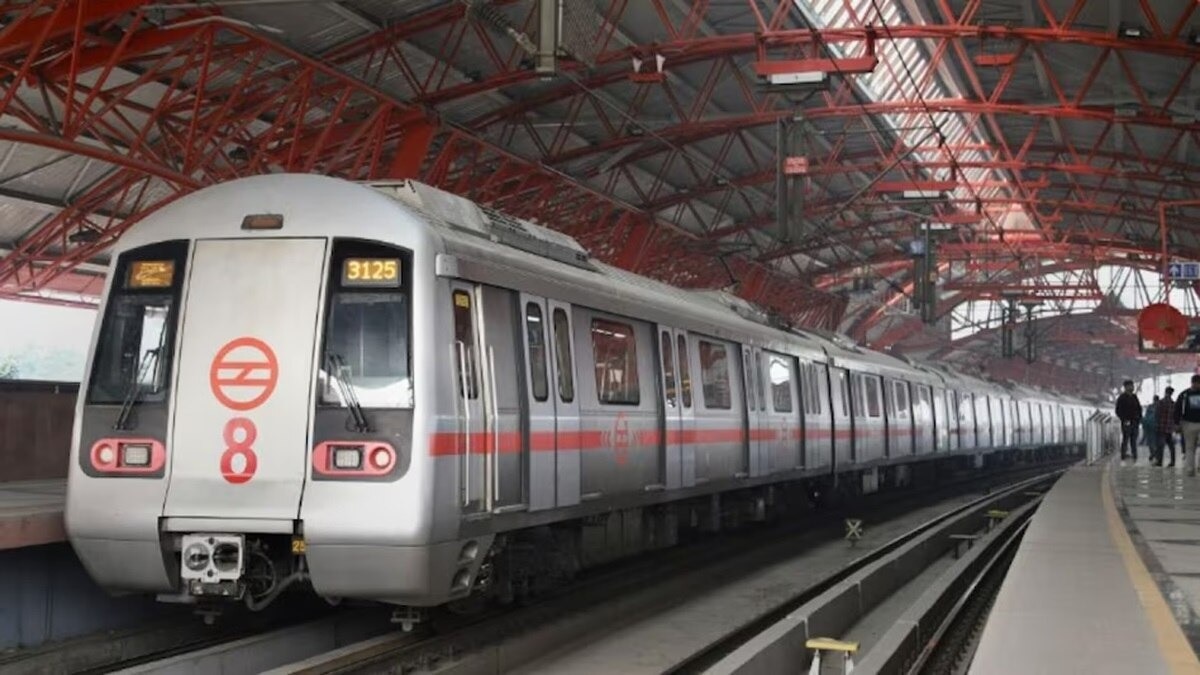
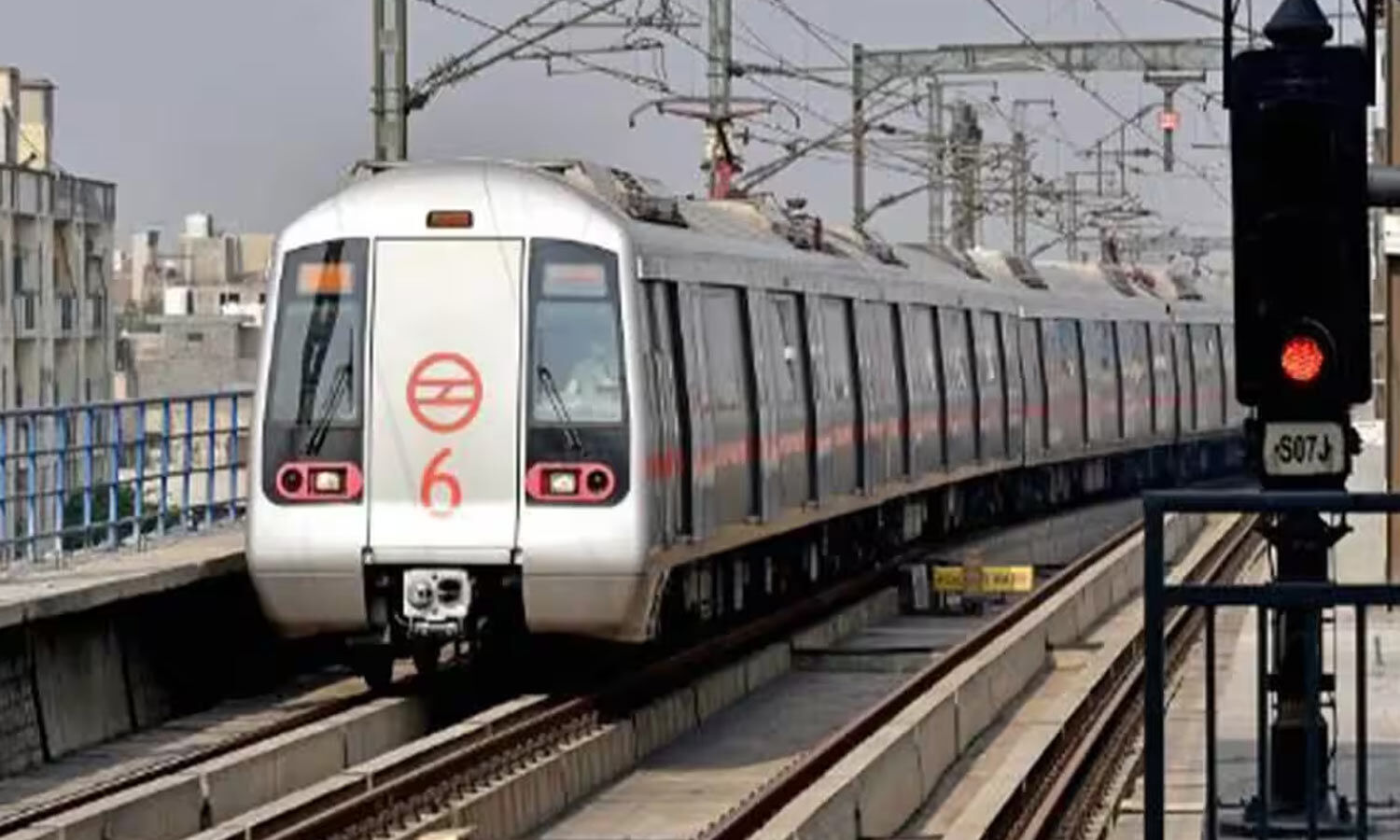
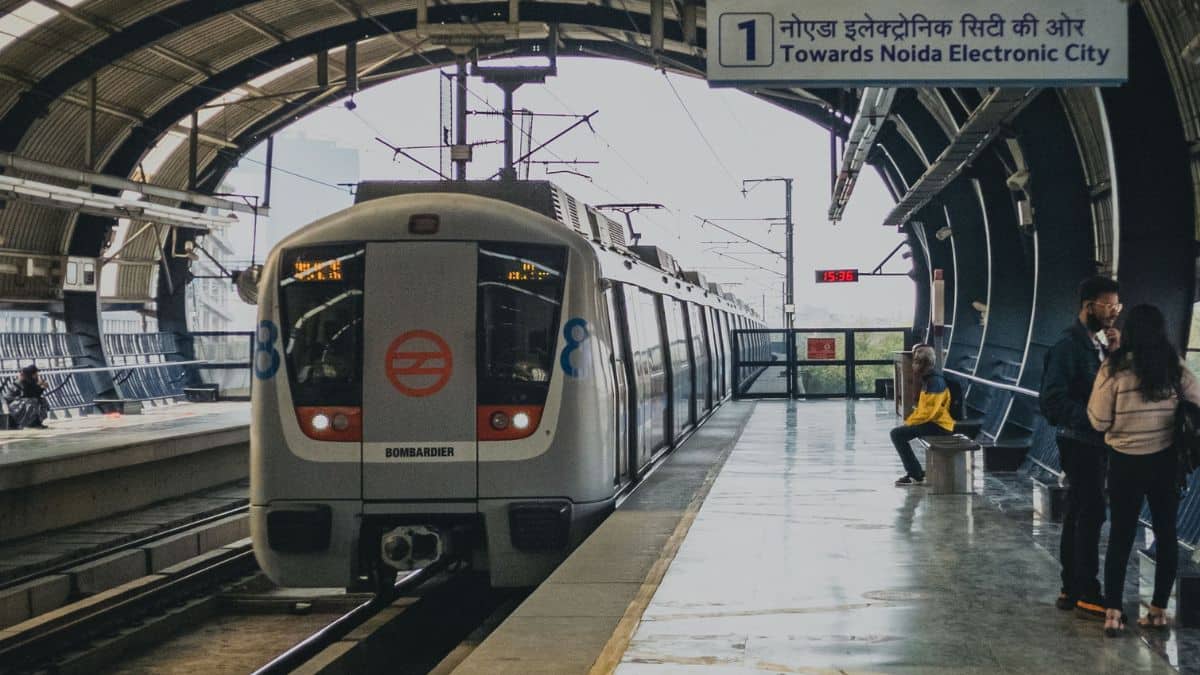
The Delhi Metro is a big train system that carries people around Delhi in India.
It started in 2002 with just six stops and a short track.
Today it has 303 stops and 12 different lines.
Its trains are almost always on time, arriving on schedule 99.95 times out of every 100.
That is better than the famous subway systems in New York, Paris, and Hong Kong.
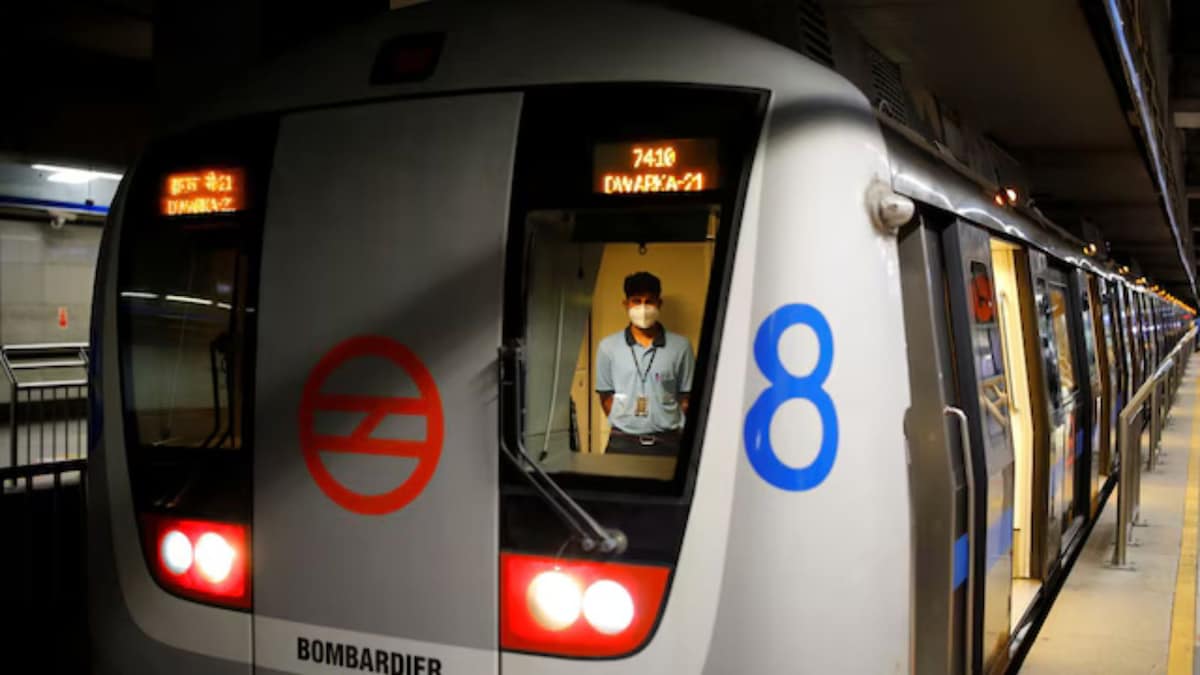
Many of its trains drive themselves without a driver, including one of the longest driverless train lines in the world.
On the busiest lines, trains arrive every two minutes and 18 seconds.
On one special day, more than 8 million people rode the Metro.
It is ranked among the five most reliable metro systems in the world.
That is why so many people in Delhi love using it.

Delhi Metro posted 99.95% punctuality in 2026, beating the Hong Kong Metro, Paris Metro, and New York Subway despite a strict 59-second delay threshold.
DMRC maintains a Mean Distance Between Failures of 2.72 million car-kilometres and ranks among the top five most reliable systems in COMET benchmarking of 45 global metros.
The network grew from an 8.4-km, six-station line opened on December 25, 2002, to 416.5 km across 12 lines, 303 stations, and 31 interchange points.
About 29% of the network runs driverless under Unattended Train Operation, including Line-7, the world's longest driverless metro line at 71.55 km.
Daily ridership rose from 82,000 journeys in the first year to over 81 lakh on a single day (August 8, 2025), with busiest-corridor headway cut to 2 minutes 18 seconds.
- Who
- Delhi Metro Rail Corporation (DMRC)
- What
- Recorded 99.95% punctuality in 2026, up from 98.27% in 2003 and 99.64% in 2005, and ranks among the world's top five most reliable metro systems in COMET benchmarking.
- Where
- Delhi and the National Capital Region, India.
- When
- 2026, during its 23rd year of operations since launch on December 25, 2002; single-day ridership record set on August 8, 2025.
- Why
- A strict 59-second delay criterion, high hardware reliability (2.72 million car-kilometres MDBF), automation of about 29% of the network, and shorter train headways.
Key facts
- Punctuality (2026)
- 99.95%
- Launch date
- December 25, 2002
- Network size
- 416.5 km, 12 lines, 303 stations, 31 interchange points
- Mean Distance Between Failures
- 2.72 million car-kilometres
- Driverless operations
- About 29% of network under Unattended Train Operation (UTO); Line-7 (71.55 km, 45 stations) is the world's longest driverless line
- Single-day ridership record
- Over 81 lakh journeys on August 8, 2025
- Headway on busiest corridors
- 2 minutes 18 seconds (down from 7 minutes)
- Average daily ridership
- Sources conflict: 64.06 lakh journeys (one article) vs 6.41 crore (another)
Quotes
DMRC spokesperson
Delhi Metro Rail Corporation spokesperson
“While many metro systems classify a delay only after several minutes, Delhi Metro records a delay if a train arrives at the destination station more than 59 seconds behind schedule.”
 thestatesman.com
“However, in its 23 years of operations so far, Delhi Metro has defied this norm by maintaining a punctuality which stands at 99.95 per cent in 2026.”
thestatesman.com