

Archive · 11 Jan 2026
Clean Energy Transition Could Save Trillions
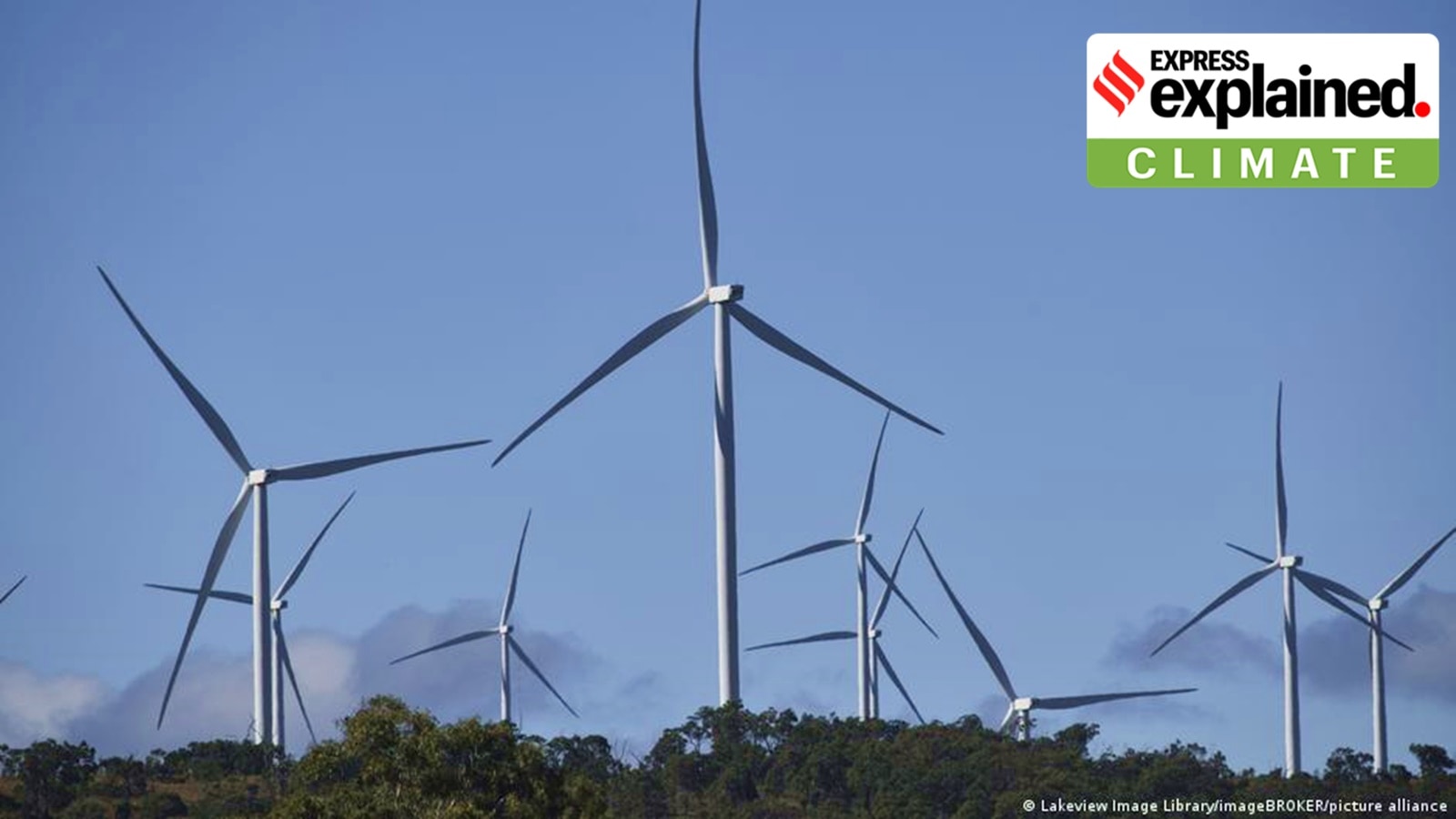
Clean energy like solar and wind is getting much cheaper.
Farmers like Brent Finlay in Australia are using their land for wind turbines, which helps the environment and makes money.
Experts say switching to clean energy quickly could save the world a lot of money, around $12 trillion by 2050.
This is because making more solar panels and wind turbines makes them even cheaper.
Fossil fuels, like oil and gas, are expensive and their prices can change a lot.
Clean energy doesn't have these problems and can save money in the long run.
Plus, it helps avoid costly climate disasters.
So, using clean energy is not only good for the planet but also good for our wallets.

A fast transition to renewable energy could save the global economy at least $12 trillion in energy system costs by 2050.
The cost of solar panels has dropped by around 90% in the last ten years, making solar power the cheapest form of energy in history.
Wind power prices have decreased by about 70% since 2014, and battery storage costs have fallen by 85% compared to the 2010s.
Fossil fuels are expensive to extract, transport, and refine, and their prices fluctuate based on geopolitical factors, unlike renewable energy sources.
Transitioning to clean energy does not require spending more overall; it involves reallocating funds from fossil fuel infrastructure to renewable energy projects.
- Who
- Global economy, farmers, and renewable energy developers
- What
- Transition to clean energy could save trillions in energy costs
- When
- By 2050
- Where
- Globally, with examples from Australia and Europe
- Why
- Due to falling prices of renewable energy technologies and the economic benefits of avoiding climate disasters
- Savings by 2050
- $12 trillion (€10.2 trillion) in energy system costs
- Solar cost drop
- 90% in the last ten years
- Wind cost drop
- 70% since 2014
- Battery storage cost drop
- 85% compared to the 2010s
- Fossil fuel rents
- $2.5 trillion a year