2 days ago
Trump-Xi Meeting Confronts Major Unresolved US-China Trade Disputes
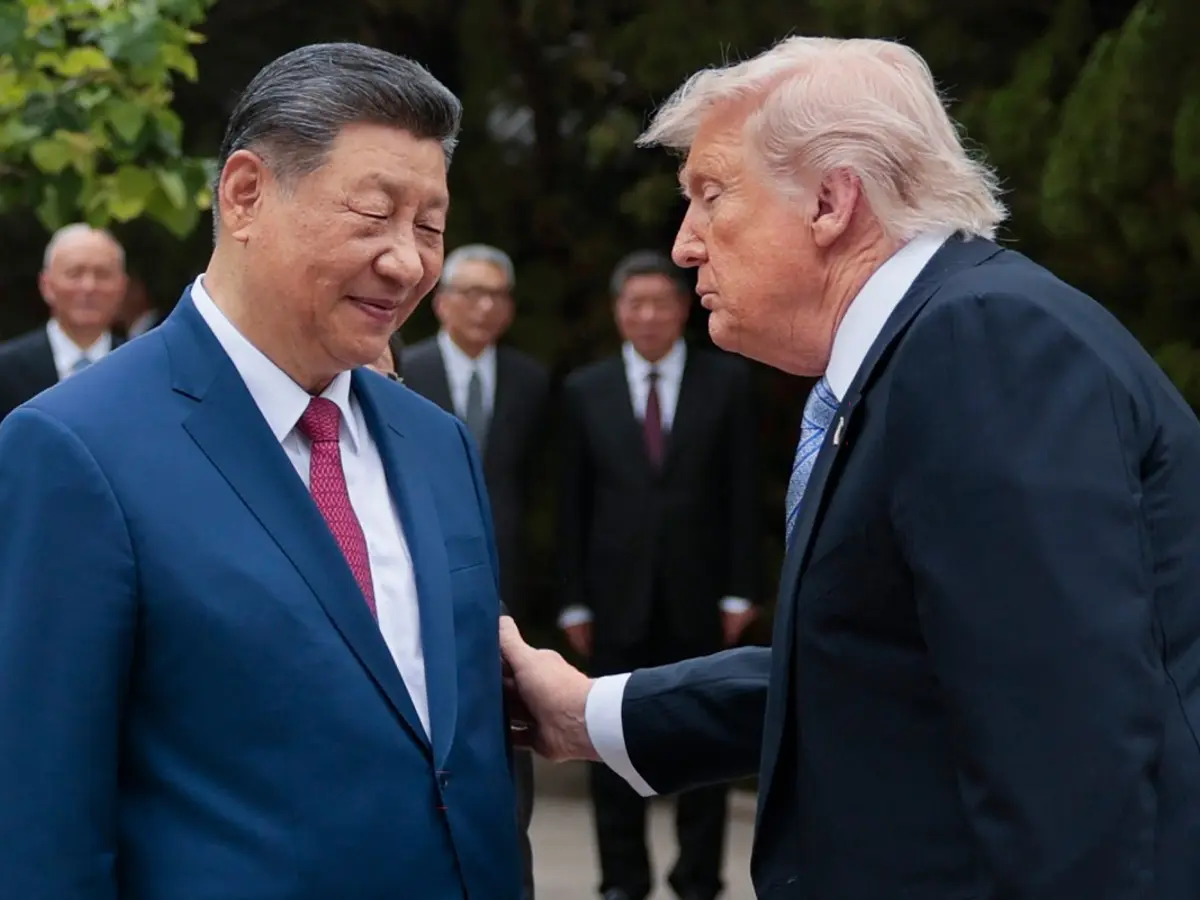
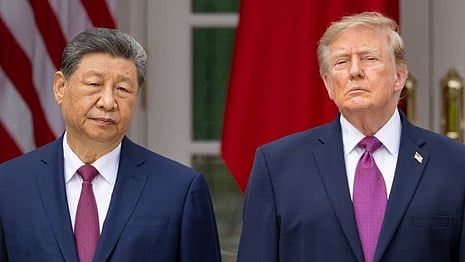
Donald Trump and Xi Jinping are planning to meet about trade between the US and China.
The countries recently fought by placing very high taxes, called tariffs, on each other’s goods.
They lowered many of those tariffs, but their agreement is temporary.
China controls much of the processing of rare earth minerals used in electronics, cars, and military equipment.
The US wants more dependable access to those materials.
The countries also disagree about China buying American farm products and whether earlier promises were completed.
Technology is another major problem because the US limits China’s access to some advanced chips.
They may also discuss artificial intelligence, chemicals linked to fentanyl, and sanctions involving Iran.

US and Chinese tariffs reached peaks of 145% and 125% before talks produced a temporary truce.
Rare earth exports remain a key dispute as Washington seeks reliable supplies and Beijing retains bargaining leverage.
Agricultural purchases, including soybeans, are central to negotiations, but the US questions whether earlier commitments were fulfilled.
Semiconductors, artificial intelligence, and chipmaking controls have expanded the conflict beyond conventional trade.
The meeting is also expected to address fentanyl chemicals, Iran-related sanctions, and whether to extend the truce beyond November 10.
- Who
- US President Donald Trump and Chinese President Xi Jinping, with officials from both countries.
- What
- They are expected to discuss tariffs, rare earths, agricultural purchases, technology controls, artificial intelligence, fentanyl chemicals, and Iran-related sanctions.
- Where
- Washington.
- When
- Thursday, September 24, 2026; the current trade truce is due to expire on November 10.
- Why
- The countries are trying to preserve a fragile trade truce while addressing unresolved economic and security disputes.
US concerns and priorities
Chinese leverage and priorities
Tariffs and the trade truce
US concerns and priorities
The US is considering whether to extend the temporary arrangement or seek a more durable framework that lowers China-related trade barriers.
Chinese leverage and priorities
China has participated in negotiations that reduced retaliatory tariffs, but the underlying tariff dispute remains unresolved and the truce is temporary.
Rare earth supplies
US concerns and priorities
Washington wants consistent access to rare earths and reduced dependence on China, viewing China’s dominance of critical-mineral processing as a vulnerability.
Chinese leverage and priorities
Beijing’s control over rare earth processing and exports gives it bargaining leverage because alternative supply chains cannot be built quickly.
Agricultural purchases
US concerns and priorities
The US wants China to fulfill purchase commitments, particularly for American farm products, and views the issue as important to US farmers.
Chinese leverage and priorities
China has agreed to purchase US agricultural products, with additional imports under discussion, but the two sides differ over whether these deals create lasting trade rebalancing or temporary summit commitments.
Key facts
- Peak US tariffs on Chinese goods
- 145%
- Peak Chinese tariffs on US imports
- 125%
- Trade truce deadline
- November 10, unless extended
- US-China goods trade in 2025
- $414.6 billion
- US-China services trade in 2025
- $80 billion
- US goods trade deficit with China in 2025
- $202.7 billion
- Proposed US reduction package
- $30 billion covering non-critical goods
Sources
Related news

Trump-Xi Washington Talks Put Global Economy in Focus

Trump and Xi Prepare for High-Stakes White House Talks
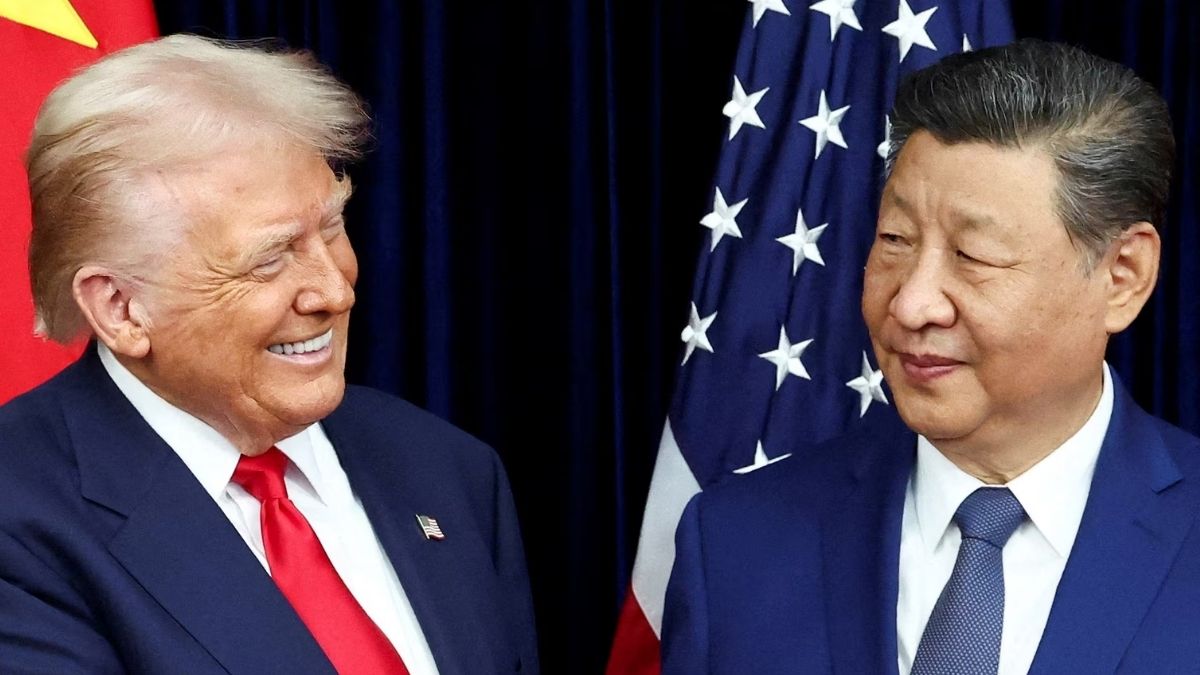
Xi Jinping's US Visit Tests Trade and AI Cooperation
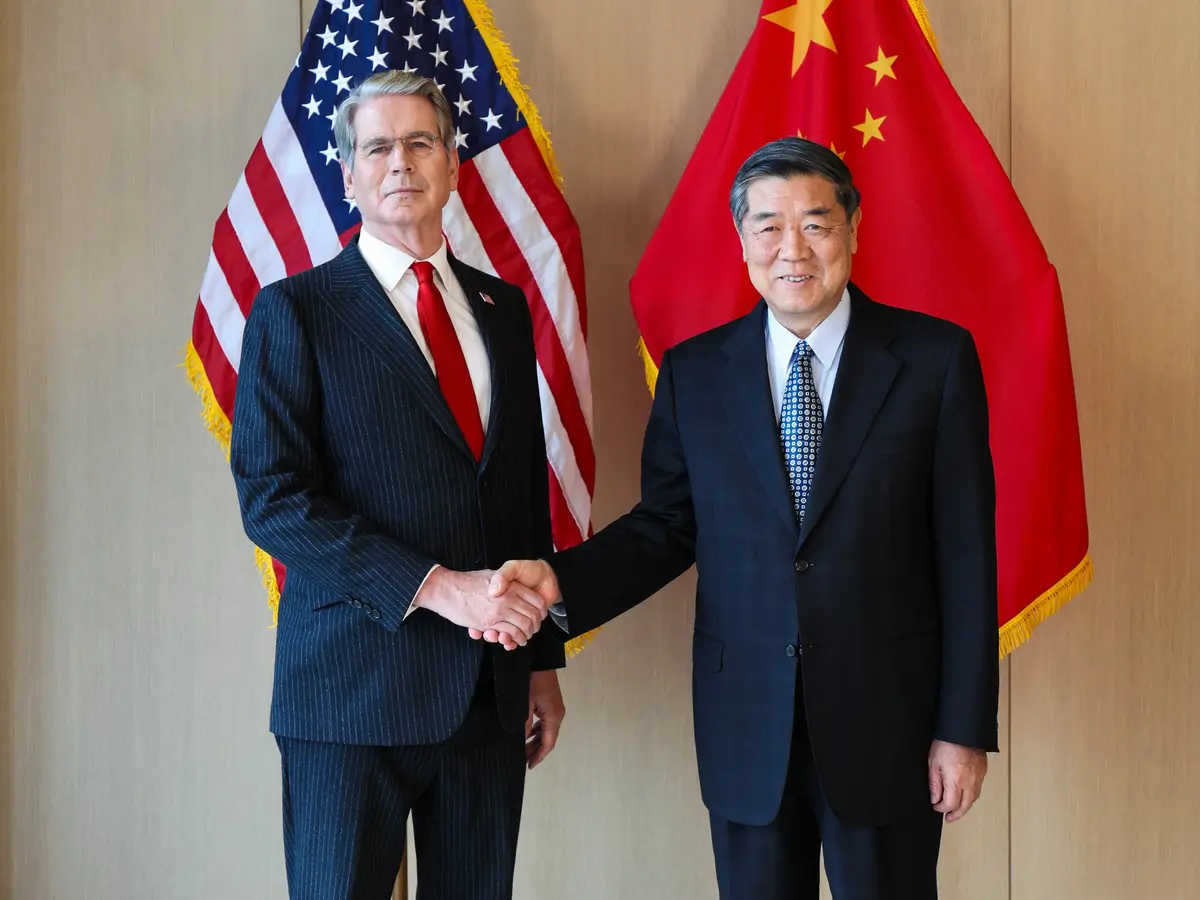
Bessent and He Lifeng Prepare Trade Agenda Before Trump-Xi Summit

Trump-Xi Summit Faces Trade, Taiwan, Iran and AI Challenges
Trump-Xi Washington Summit Centers on Trade, Taiwan and Security

Chris Wood Sees AI Shift Triggering Indian Market Bull Run

Yen Gains as Katayama Signals Rising Intervention Risk
Trump-Xi Summit Manages Rivalry but Fails to Resolve Tensions
Trump-Xi Summit Deepens US Senate Divisions Over China

Trump Raises Weak Yen Concerns as Japan Signals Currency Coordination