10 months ago
Dal: India's Enduring and Versatile Comfort Food
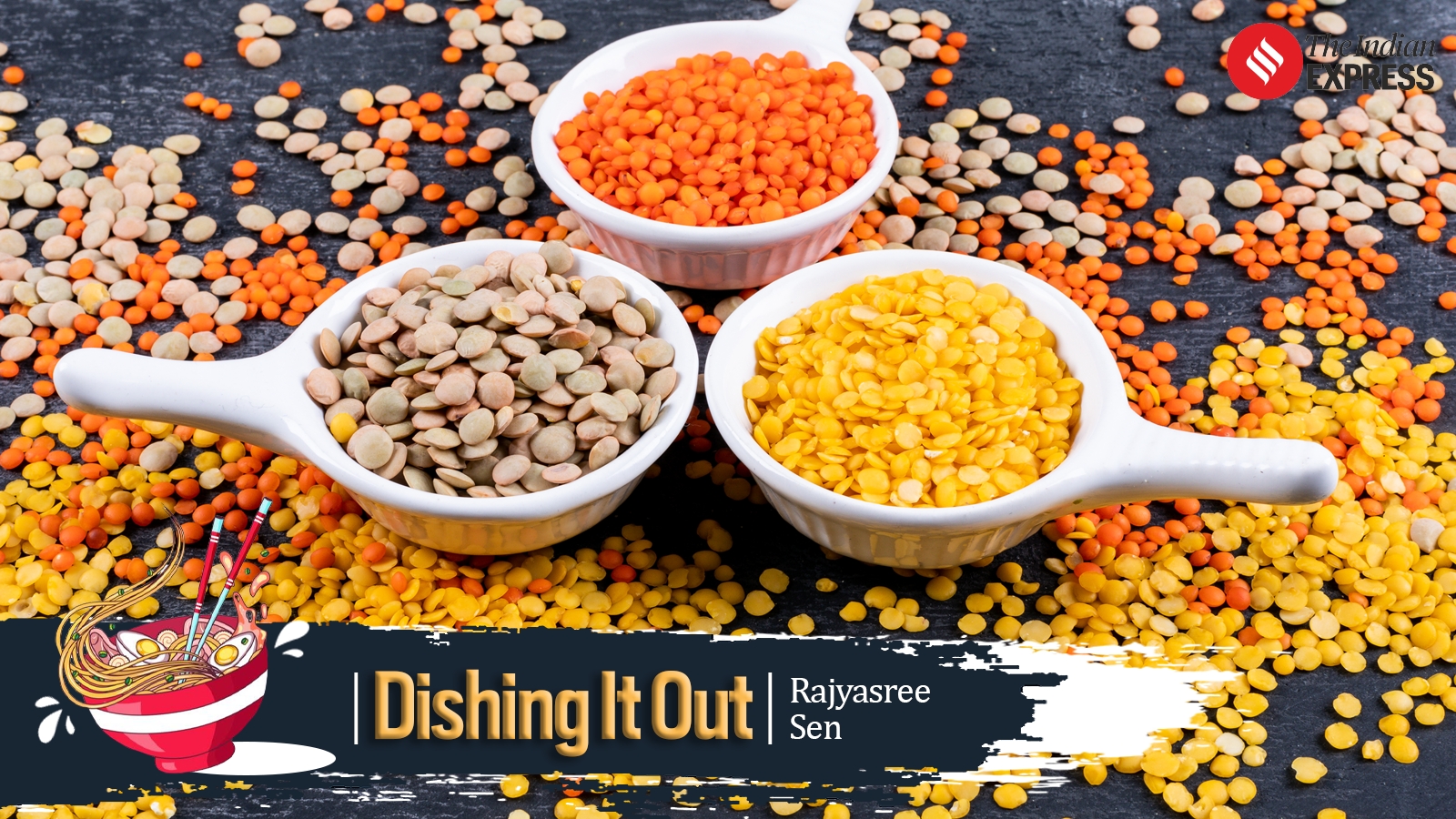
Imagine dal is like the simplest, most reliable superhero in Indian food.
It's been around for thousands of years, ever since people first lived in India!
It's super easy to store, cook, and eat, making it perfect for everyone, from kings like Chandragupta Maurya to busy students after college.
Different parts of India make dal in their own special ways.
In Punjab, they might eat it with corn bread.
In Bengal, they have creative dishes like spicy pea stew or even cakes made from lentils.
Rajasthan has its own versions, and even the Mughals enjoyed slow-cooked lentil dishes.
Dal makhni is a super rich and creamy version that became famous later.
It's not just a basic food; it can be a street food snack, a hearty meal, or part of a royal feast.
Because it's so easy and comforting, dal is a favorite that will always be special in India.

Dal (lentils and pulses) has been a staple in Indian kitchens since the Indus Valley Civilisation, known for its ease of storage, cooking, and consumption.
Ancient texts and archaeological findings show dal was popular among rulers like Chandragupta Maurya and served at feasts and festivals.
Medieval India saw regional adaptations and royal recipes, including 'dum pukht' chana dal and multi-lentil Panchmel dal, with influences from Mughlai cuisine.
Modern classics like dal makhni, slow-cooked with butter and cream, and diverse regional preparations like Bengali dhokar dalna and Parsi dal with coconut milk highlight its versatility.
Dal serves as a versatile comfort food, from simple home-cooked meals to street food favorites and sophisticated dishes, underscoring its deep cultural and culinary significance in India.
- Who
- Indians, ancient civilizations, royalty, and chefs
- What
- The enduring comfort and versatility of dal (lentils and pulses) as a staple food in India
- Where
- Across India, from the Indus Valley to various regional cuisines (Bengal, Punjab, Rajasthan, Awadh, Sri Lanka)
- When
- Since the Indus Valley Civilisation to the present day
- Why
- Due to its ease of storage, preparation, nourishment, and adaptability to diverse regional flavors and historical culinary techniques.
Key facts
- Historical Significance
- Part of Indian kitchens since the Indus Valley Civilisation
- Ancient Popularity
- Served at feasts and festivals during Chandragupta Maurya's reign
- Medieval Innovations
- Chana dal featured in royal menus with 'dum pukht' technique
- Mughal Influence
- Rajasthani toor dal led to Moradabadi dal
- Modern Classic
- Dal makhni, slow-cooked with butter and cream
- Versatile Preparations
- From street food to elaborate dishes like Dhokar Dalna