Archive · 4 Sep 2026
GSLV-F17 Launches EOS-05, Offering ISRO a Confidence Boost
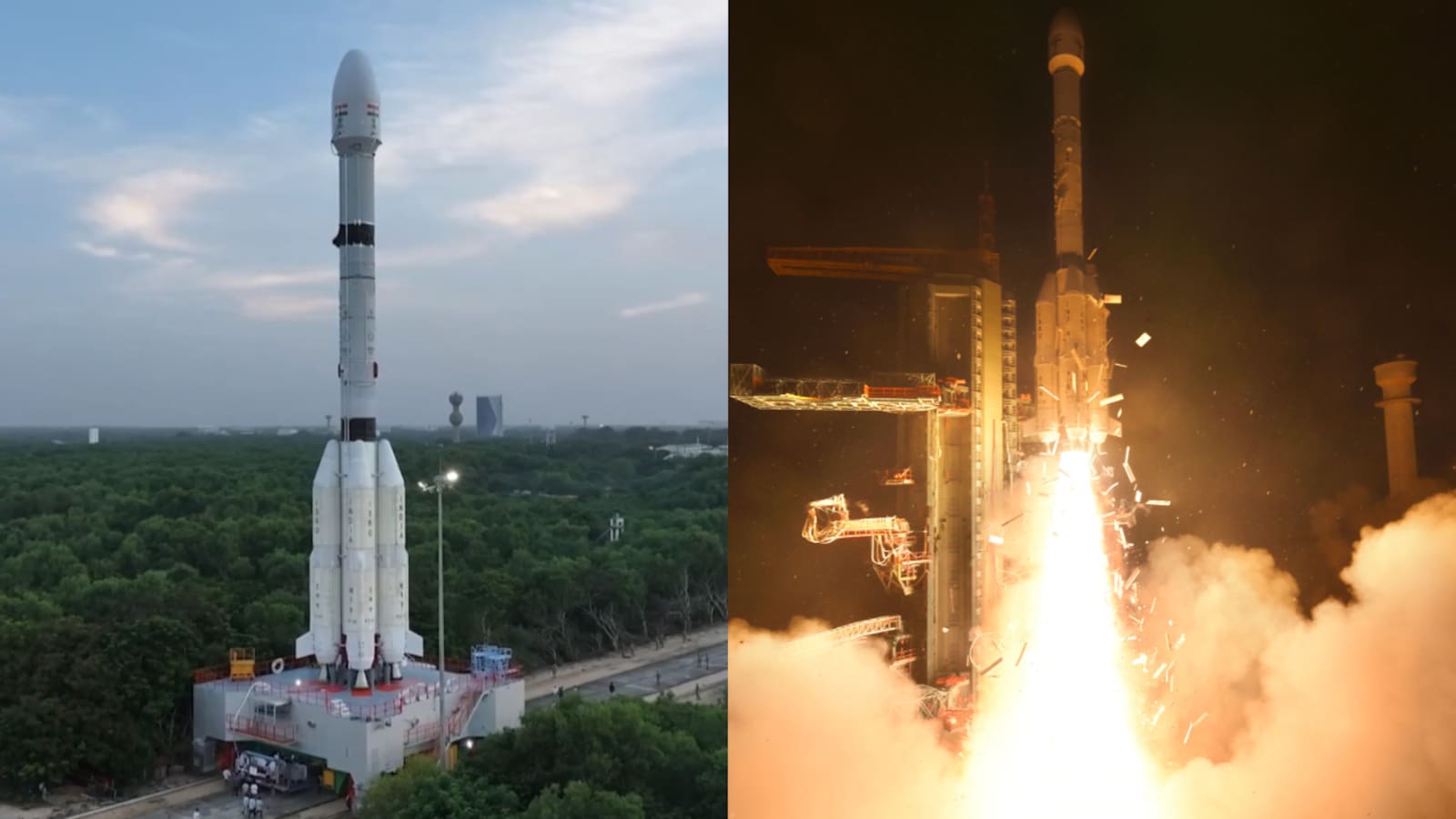
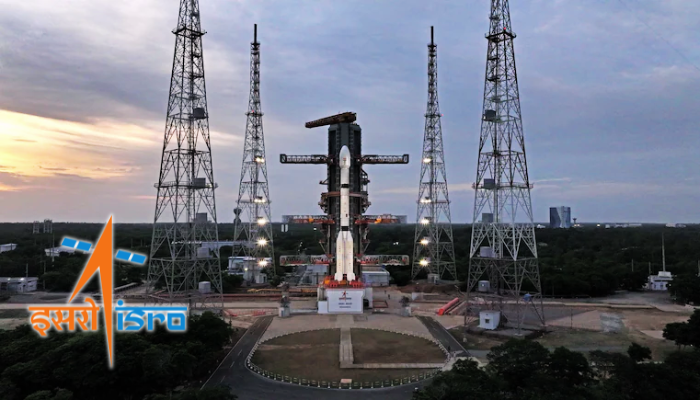
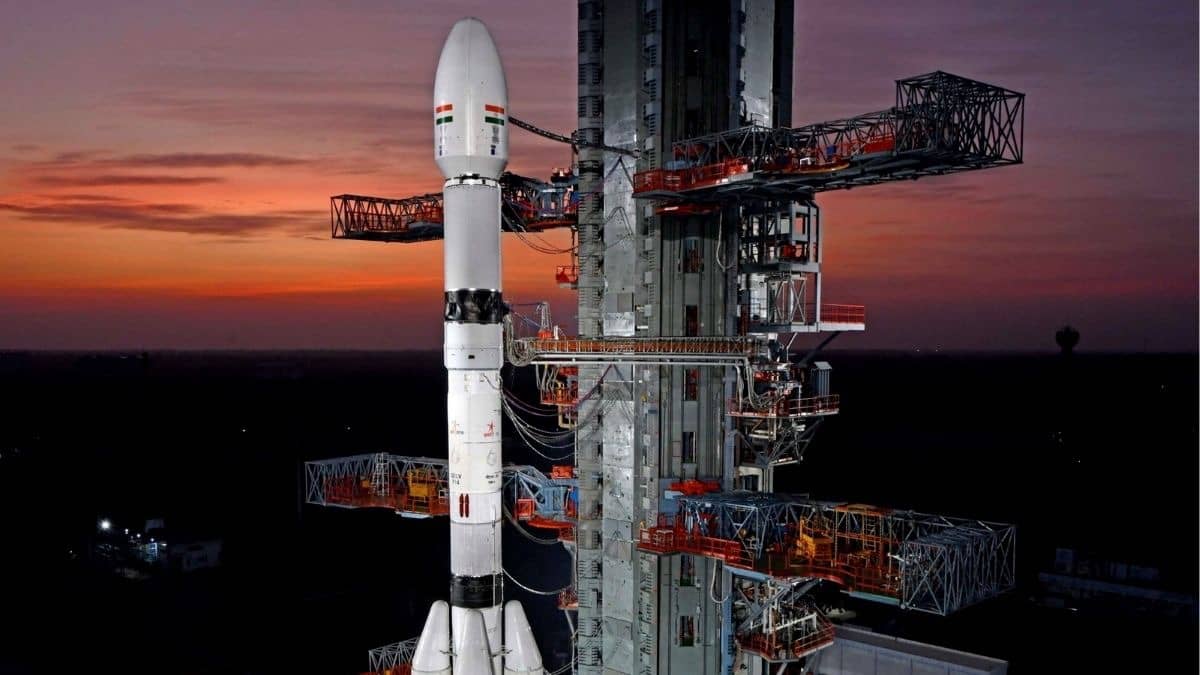
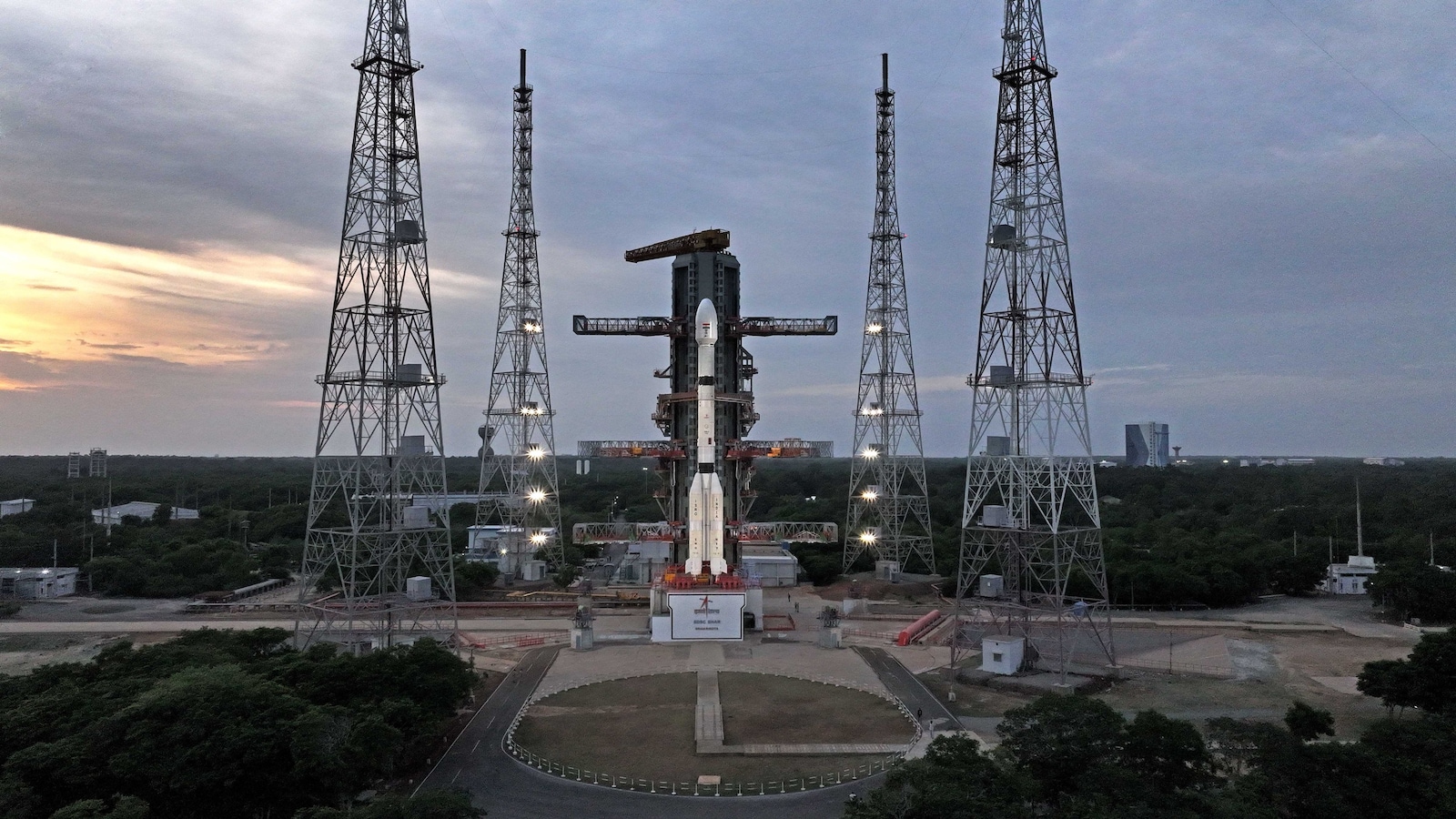
ISRO launched a rocket called GSLV-F17 early on September 4, 2026.
It carried a satellite named EOS-05.
The launch happened from Sriharikota and was successful.
EOS-05 is meant to watch India and nearby areas from about 36,000 kilometers above Earth.
Because it can stay over the same broad region, it may take pictures much more often than satellites that fly around Earth.
These images can help during storms, floods, fires, farming problems, and other emergencies.
The mission also has security uses because it can observe important regions.
A similar satellite was lost in 2021 when its rocket stage did not work properly.
This successful flight gives ISRO more confidence after recent problems with the PSLV rocket.

GSLV-F17 successfully launched EOS-05 from Sriharikota at 2:55 a.m. on September 4, 2026.
EOS-05 is India’s first imaging satellite intended to operate from geosynchronous orbit, about 36,000 kilometers above Earth.
The 2,367-kilogram satellite reached a better-than-expected orbit and was reported healthy before maneuvers toward its final geostationary position.
EOS-05 is designed to provide frequent imagery for weather, disasters, agriculture, environmental monitoring, infrastructure, and strategic surveillance.
The mission revived capabilities lost with EOS-03 in 2021 and boosted confidence in ISRO while the PSLV remains grounded after recent failures.
- Who
- The Indian Space Research Organisation (ISRO), GSLV-F17, and the EOS-05 satellite.
- What
- A successful launch that placed EOS-05 into a Sub-Geosynchronous Transfer Orbit for later maneuvers toward geostationary orbit.
- When
- September 4, 2026, at 2:55 a.m.; the satellite separated about 19 minutes later at 3:14 a.m.
- Where
- The Second Launch Pad at the Satish Dhawan Space Centre in Sriharikota, India.
- Why
- To deploy an advanced Earth-observation satellite and restore confidence in ISRO after recent launch setbacks.
Separate Technical Assessment
Shared Technology Links
Relationship between GSLV and PSLV
Separate Technical Assessment
Several articles describe the GSLV Mk II and PSLV as separate launcher families with different engines and major propulsion systems, arguing that recent PSLV failures should not be directly linked to GSLV-F17.
Shared Technology Links
Another article says the GSLV uses components such as the Vikas engine and booster motors derived from PSLV technology, indicating that the two launchers have some technological links.
- Launch vehicle
- GSLV-F17, the 19th flight of India’s Geosynchronous Satellite Launch Vehicle.
- Payload
- EOS-05, also referred to as GISAT-1A.
- Satellite mass
- Approximately 2,367 kilograms.
- Rocket specifications
- About 51.7 meters tall, with a liftoff mass of approximately 420.5 tonnes.
- Planned operating orbit
- Geosynchronous orbit roughly 36,000 kilometers above Earth, after initial injection into a Sub-Geosynchronous Transfer Orbit.
- Imaging capability
- Near-real-time images at 30-minute intervals, with priority-target revisits every five minutes, according to ISRO mission information.
- Previous setback
- EOS-03 was lost during the August 2021 GSLV-F10 mission after its indigenous cryogenic upper stage failed to ignite properly.
Sources
How ISRO's 'Naughty Boy' Rocket Delivered A Big Win For India
‘Naughty Boy’ Countdown Begins: ISRO’s ‘Eye In The Sky’ Set For 36,000-Km Journey In A Mission Five Years In The Making
Can 'Naughty Boy' Help Redeem ISRO's 'Lost' Sheen? Big Launch Tonight